Swiss Government Launches New Funding Drive to Trace Origins of Museum Artefacts
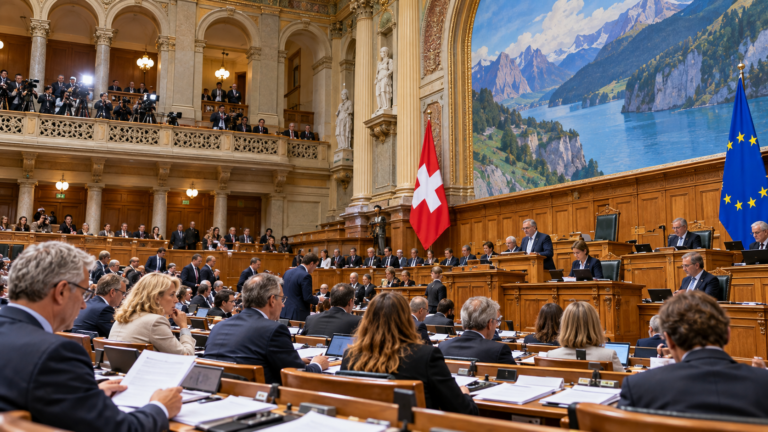
Switzerland is increasing its investment in provenance research as authorities seek to strengthen transparency surrounding cultural artefacts held in museums and public collections across the country. The federal government has approved new funding aimed at helping institutions investigate the ownership histories of objects whose origins may be incomplete, disputed, or insufficiently documented. The initiative reflects a broader international effort to address questions surrounding cultural heritage, historical acquisitions and the movement of artefacts across borders.
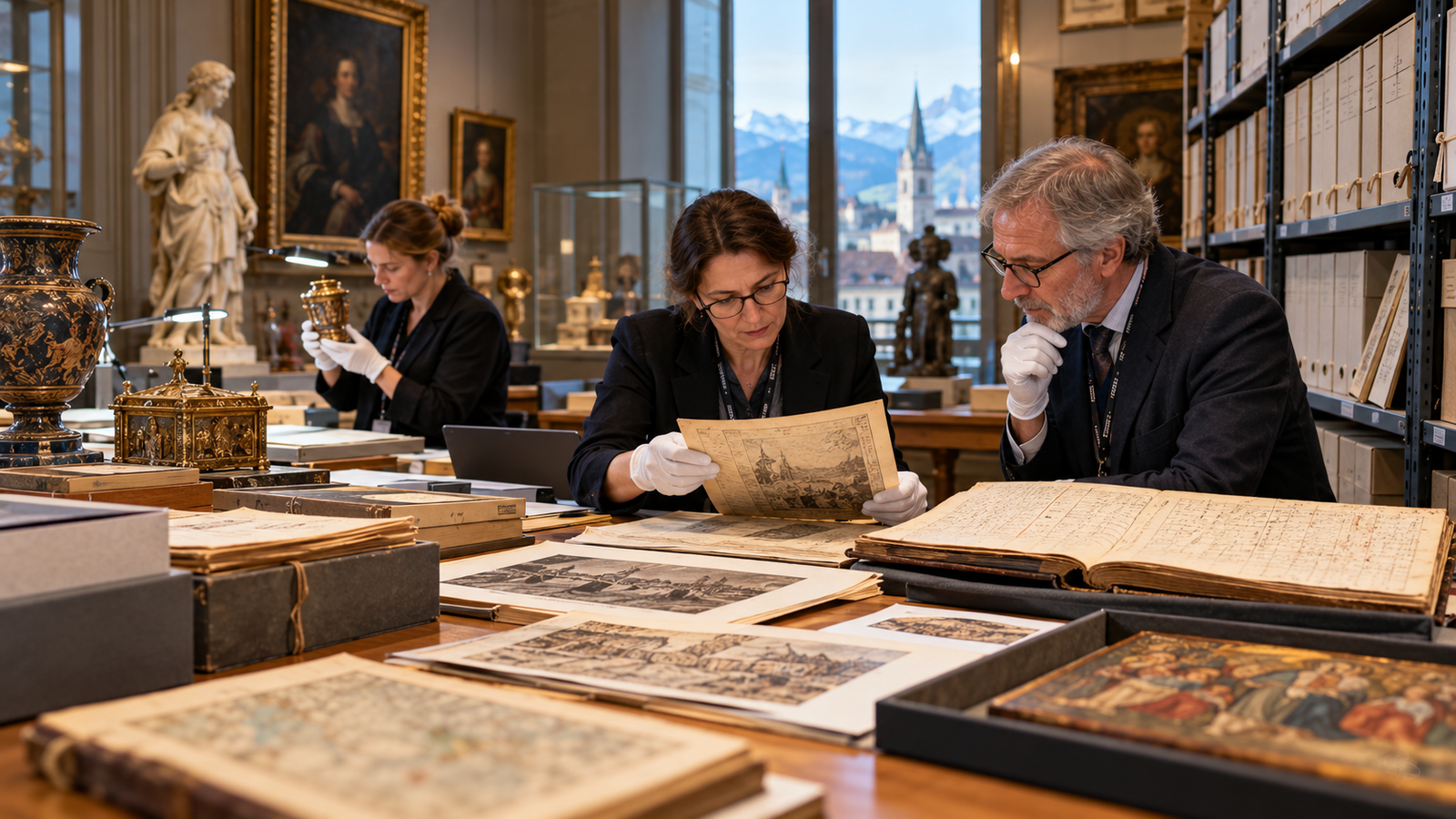
The funding will support research projects focused on reconstructing the histories of cultural objects, including works of art, archaeological items and ethnographic collections. Provenance research examines the chain of ownership and custody of an artefact, helping museums determine how an object entered a collection and whether legal or ethical concerns may exist regarding its acquisition. Such investigations have become increasingly important for museums worldwide as institutions face growing scrutiny over the origins of items acquired during colonial periods, wartime occupations and earlier eras when documentation standards were often less rigorous.
Swiss cultural authorities have placed increasing emphasis on documenting collection histories in recent years. The new financial support is intended to assist museums, archives and research institutions in conducting detailed investigations that can require extensive archival work, international cooperation and historical analysis. These projects often involve examining acquisition records, customs documents, correspondence, sales contracts and other historical materials to establish an object’s path through time.
The decision comes amid heightened global attention on restitution claims and cultural property disputes. Museums in Europe and North America have faced growing pressure to clarify the provenance of artefacts and, in some cases, return objects to countries or communities claiming historical ownership. Provenance research has become a central tool in evaluating such claims because it provides evidence about how objects changed hands and whether transfers occurred under circumstances now considered problematic.
Switzerland occupies a particularly important position within the international art and antiquities market. The country has long been home to major museums, private collections, galleries and art trading centers. As a result, Swiss institutions have participated in broader efforts to improve documentation standards and strengthen confidence in collection management practices.
Recent developments involving cultural heritage have underscored the growing significance of provenance work. Earlier this year, Swiss museums participating in cooperative initiatives announced measures related to the future ownership and return of Benin artefacts connected to present-day Nigeria. Those actions reflected a wider international reassessment of museum collections and the historical circumstances under which certain objects were acquired.
Museum professionals note that provenance investigations often extend far beyond questions of legal ownership. Research can reveal valuable historical information about collectors, institutions, trade networks and cultural exchanges that shaped the movement of artefacts across continents. In some cases, studies uncover previously unknown details about artists, communities or archaeological discoveries, enriching public understanding of cultural history.
The process, however, can be complex. Many artefacts have passed through multiple owners over decades or centuries, leaving gaps in documentation that require painstaking research to address. Historical records may be incomplete, lost or scattered across different countries and institutions. As a result, provenance projects frequently involve international collaboration among historians, archivists, museum specialists and legal experts.
Funding support is expected to help institutions undertake investigations that might otherwise exceed available resources. Provenance research can be time-intensive and costly, particularly when collections contain thousands of objects acquired over long periods. By providing dedicated financial assistance, authorities hope to accelerate research efforts and encourage greater transparency regarding the origins of cultural property.
The initiative also aligns with broader trends within the museum sector. Around the world, institutions have expanded efforts to review collection records, digitize archives and make provenance information publicly accessible. Improved transparency is increasingly viewed as an essential component of responsible collection management and public trust.
Advocates of expanded provenance research argue that understanding an artefact’s history benefits both museums and the public. Clear documentation can help institutions respond to ownership questions, support scholarly research and provide visitors with a fuller understanding of the objects on display. It can also help identify items that may require further investigation or dialogue with communities connected to their origins.
For Switzerland, the funding announcement signals continued engagement with international discussions surrounding cultural heritage stewardship. While many provenance projects focus on individual objects, the broader goal is often to improve institutional knowledge and accountability across entire collections.
The new funding program is expected to support multiple research initiatives in the coming years, with museums and cultural institutions encouraged to examine objects whose ownership histories remain unclear or incomplete. Results from these investigations may contribute to future academic research, museum exhibitions and policy discussions concerning cultural heritage management.
As provenance research becomes an increasingly important part of museum practice worldwide, Swiss authorities are positioning the country’s cultural institutions to play an active role in that effort. By investing in the investigation of collection histories, the government aims to strengthen transparency, support historical scholarship and ensure that questions surrounding cultural artefacts are examined using the best available evidence.
The initiative reflects a growing consensus within the cultural sector that understanding where objects come from is as important as preserving them. For museums, researchers and the public alike, tracing the journey of artefacts through history offers valuable insight into the complex stories behind the collections that shape cultural memory today.