Switzerland Marks 25 Years Since Deadly Zug Parliament Attack
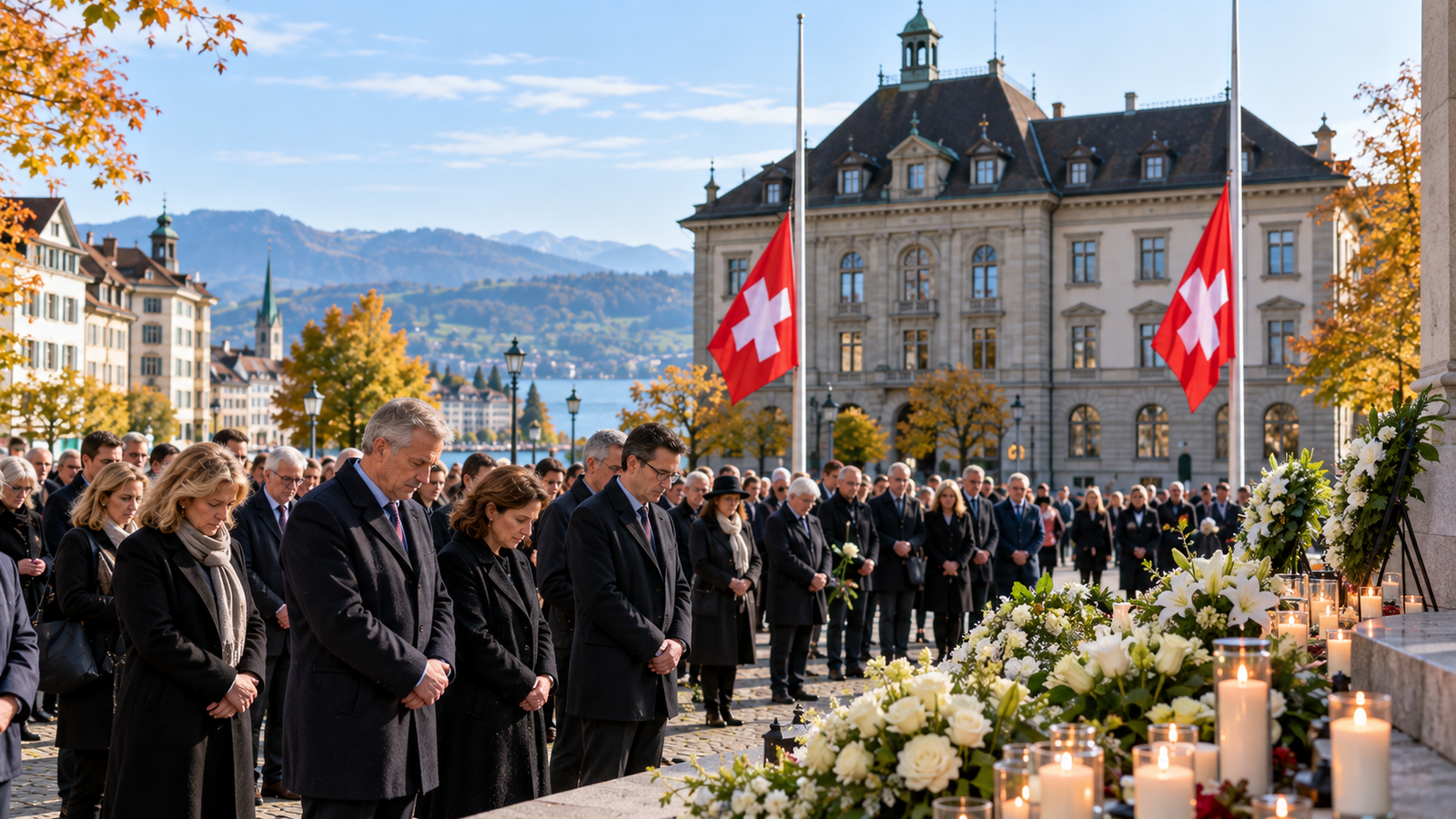
Switzerland paused on Sunday to remember one of the darkest days in its modern political history as officials, survivors, and citizens marked the 25th anniversary of the deadly attack on the Zug cantonal parliament that claimed 14 lives and shocked the nation.
The anniversary renewed attention on an event that remains the deadliest attack ever carried out against elected officials in Switzerland. On September 27, 2001, a heavily armed man entered government buildings in the central Swiss canton of Zug and opened fire during a parliamentary session. Within minutes, 14 politicians had been killed and 15 other people were wounded before the attacker took his own life.
Swiss President Guy Parmelin used the anniversary to honor the victims and reflect on the significance of the tragedy. In a public message, he emphasized that violence cannot overcome the values that unite democratic societies, pointing to remembrance, solidarity, dignity, and commitment to democratic institutions. He also noted that the attack permanently changed the lives of many people affected by the events of that day.
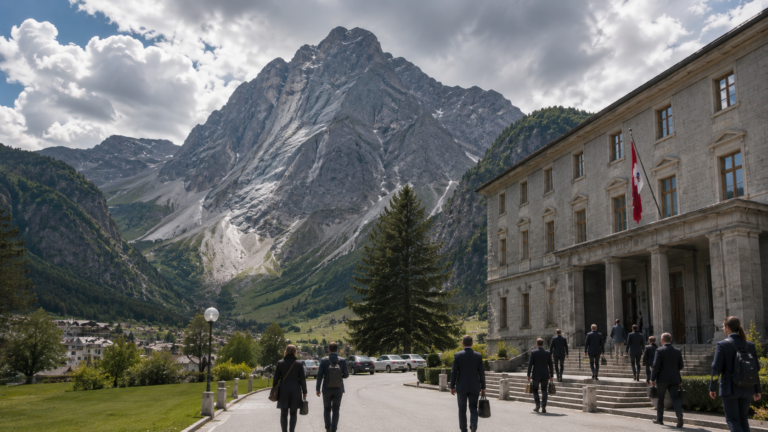
The shooting occurred at a time when Switzerland was widely regarded as one of Europe’s safest and most politically stable countries. The attack therefore generated profound national shock and prompted a period of reflection on the vulnerability of public institutions. The incident received international attention because it targeted elected representatives during the normal functioning of democratic government.
Investigators later concluded that the gunman had acted after years of conflict with public authorities. According to findings reported after the attack, he had filed multiple complaints against officials that were rejected by the courts. Authorities determined that resentment and anger toward government institutions were among the factors that motivated the assault.
The consequences extended far beyond the immediate tragedy. The attack triggered nationwide discussions about the protection of elected officials, access to government buildings, and the handling of individuals engaged in persistent disputes with public authorities. Security procedures at political institutions were reviewed, and the event became a reference point in debates about balancing public access to democratic institutions with the need for safety.
For many residents of Zug, the memories remain vivid even after a quarter-century. Survivors and witnesses have repeatedly described the attack as a defining moment in their lives. Reports marking the anniversary included reflections from officials who were present during the shooting and who continue to feel the emotional effects decades later.
The commemoration also highlighted Switzerland’s broader commitment to democratic governance. The country’s political system is built on direct participation, consensus-building, and frequent public votes. Political institutions traditionally maintain close connections with citizens, often operating in ways that are more accessible than in many other countries. The events in Zug challenged assumptions about the security of that openness while reinforcing the determination to preserve democratic values.
Over the years, memorial ceremonies have served not only to honor those who died but also to reaffirm confidence in democratic institutions. Political leaders across party lines have consistently framed the attack as an assault on democratic representation rather than solely a criminal act. This interpretation has shaped public remembrance and influenced discussions about civic responsibility and political participation.
The anniversary comes during a year in which Parmelin, serving as President of the Swiss Confederation in 2026, has repeatedly emphasized dialogue, cooperation, and democratic engagement in both domestic and international settings. In recent speeches, he has highlighted the importance of maintaining open institutions and constructive dialogue even during periods of uncertainty and division.
For younger generations, many of whom were not yet born when the attack occurred, the 25-year milestone provides an opportunity to learn about an event that shaped modern Swiss political history. Schools, public institutions, and media organizations have revisited the tragedy as part of broader efforts to preserve historical memory and ensure that lessons from the attack remain understood.
While Switzerland has experienced other major national tragedies over the years, the Zug shooting continues to occupy a unique place in the country’s collective memory because of its direct impact on democratic institutions. The victims included members of the cantonal government and parliament who were carrying out their public duties when the attack occurred.
Twenty-five years later, remembrance remains central to the national response. The anniversary ceremonies focused not on the perpetrator but on the lives lost, the resilience of survivors, and the enduring strength of democratic institutions. As Switzerland reflected on the events of September 27, 2001, the message from political leaders and communities was clear: acts of violence may leave lasting scars, but they do not define the values that hold democratic societies together.