Lucerne Voters Approve Stronger Anti-Hooligan Measures After Referendum
Voters in the Swiss canton of Lucerne have approved stricter measures aimed at tackling hooliganism, endorsing a proposal designed to strengthen authorities’ ability to address sports-related violence and public disorder.
The referendum result reflects growing concern among policymakers and residents about incidents linked to football-related disturbances and other forms of organized spectator violence. Supporters of the measures argued that stronger tools were necessary to improve public safety, protect law-abiding fans, and reduce the burden on police resources.
The outcome places Lucerne among Swiss jurisdictions seeking a firmer response to hooliganism, an issue that has periodically generated debate across the country. While Switzerland is generally regarded as one of Europe’s safest nations, isolated episodes of violence involving football supporters have repeatedly prompted calls for tighter security measures and stronger preventive actions.
The approved package was supported by voters following a campaign that centered on the balance between public security and individual freedoms. Advocates maintained that authorities require additional legal instruments to identify and manage individuals associated with violent behavior before incidents escalate. They argued that preventive measures are preferable to responding only after violence occurs.
Opponents, meanwhile, expressed concerns about proportionality and the potential impact on civil liberties. Critics questioned whether broader enforcement powers could affect individuals who have not committed criminal offenses and warned against measures that might unfairly target ordinary supporters attending sporting events.
The debate reflects a broader challenge facing many European countries. Football remains one of the continent’s most popular sports, attracting large crowds and generating strong local loyalties. While the overwhelming majority of supporters attend matches peacefully, authorities in several countries have continued to confront small groups associated with violence, vandalism, and confrontations with rival fans or police.
Switzerland has experienced a number of notable incidents over the years. Security concerns intensified following clashes involving supporters of various clubs, including episodes that resulted in property damage, disruptions to public transport, and police interventions. Authorities have frequently emphasized that a relatively small number of individuals are responsible for most serious incidents.
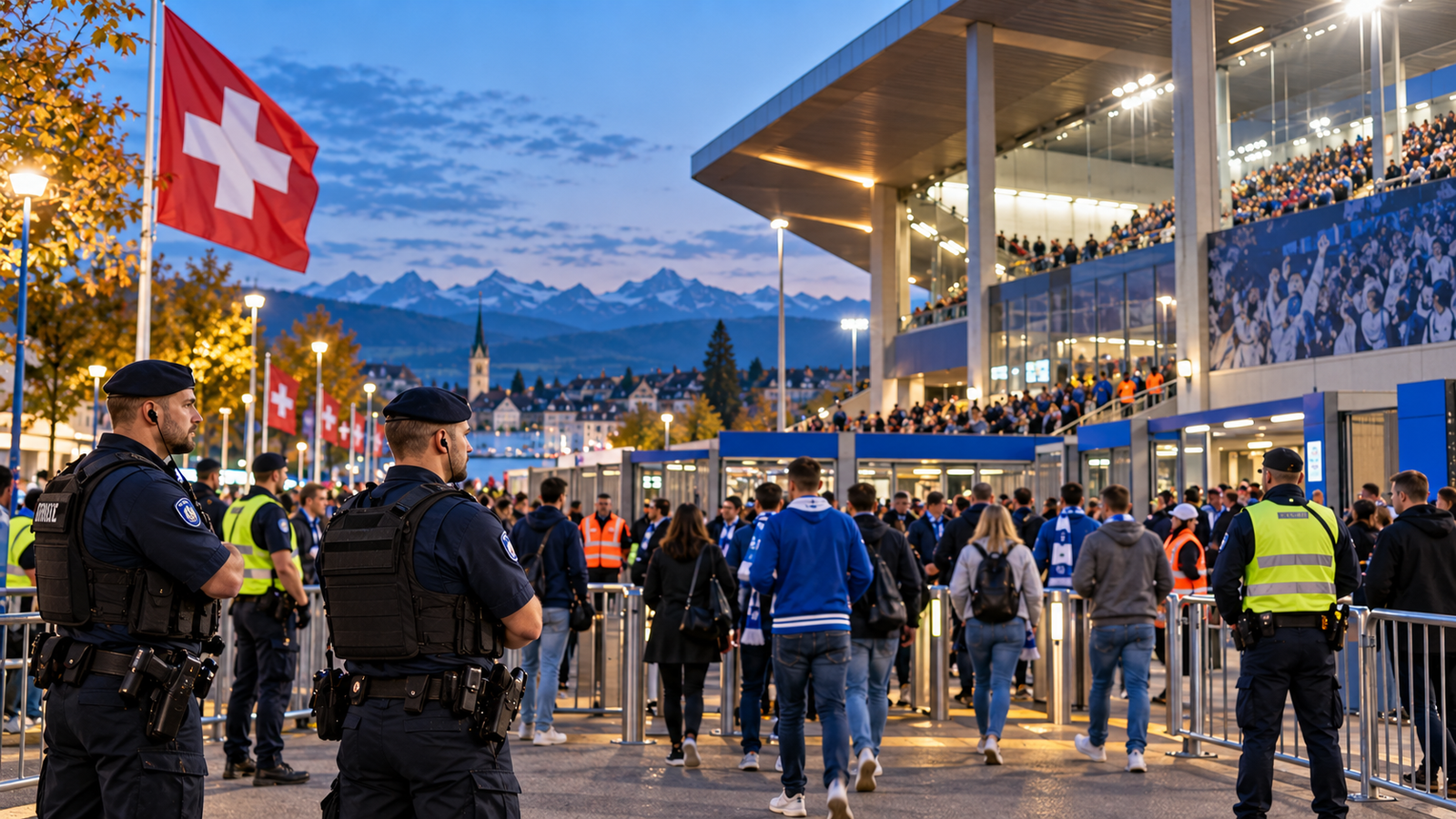
The Lucerne vote comes as cantonal governments continue evaluating how best to address security risks connected to major sporting events. Measures used across Switzerland have included stadium bans, travel restrictions, reporting requirements for known troublemakers, and increased coordination between police forces and event organizers. Federal and cantonal authorities have also maintained databases and monitoring systems intended to identify individuals with histories of violent behavior linked to sporting events.
Supporters of the referendum proposal argued that existing tools were not always sufficient to prevent disturbances. They contended that law enforcement agencies need greater flexibility to intervene before violence occurs, particularly when intelligence suggests a heightened risk of clashes between rival groups.
Public safety was a central theme throughout the campaign. Municipal leaders, police officials, and supporters of the proposal emphasized the financial and operational costs associated with large-scale security deployments. Major matches often require extensive planning and significant personnel resources to ensure safe conditions for spectators, residents, and businesses located near venues.
The issue extends beyond stadiums themselves. Authorities have noted that incidents linked to hooliganism can occur at train stations, public squares, restaurants, and transportation routes used by supporters traveling to and from sporting events. As a result, security planning increasingly focuses on broader public spaces rather than solely on sporting venues.
Lucerne’s decision highlights the continuing role of direct democracy in shaping Swiss public policy. Through referendums, voters regularly decide issues ranging from taxation and transportation to healthcare and public security. The anti-hooliganism vote demonstrates how cantonal residents can directly influence the legal framework governing public order and law enforcement. Switzerland’s political system frequently relies on such public votes to resolve contentious policy questions.
Observers say the result could attract attention from other cantons facing similar concerns. Although public security policies vary across Switzerland, authorities often monitor developments in neighboring regions when considering legislative changes. The Lucerne vote may therefore contribute to broader discussions about how far preventive security measures should extend and what safeguards should accompany them.
The referendum also underscores a broader shift in public expectations regarding safety at major events. Sports organizations, local governments, and law enforcement agencies increasingly face pressure to ensure that matches remain family-friendly and accessible while minimizing risks associated with disruptive behavior.
For professional football clubs and event organizers, the challenge remains balancing security requirements with maintaining a welcoming atmosphere for supporters. Many clubs have invested in crowd management programs, fan engagement initiatives, and cooperation with supporter groups in an effort to reduce tensions and encourage responsible conduct.
As the approved measures move toward implementation, attention will likely turn to their practical effects. Authorities will be expected to demonstrate that the new rules improve safety outcomes while respecting legal protections and individual rights. Future assessments may examine whether the tougher approach reduces violent incidents, lowers security costs, or changes behavior among groups associated with hooligan activity.
For now, the referendum result sends a clear message from Lucerne voters. Faced with concerns about sports-related violence and public disorder, a majority chose to support stronger intervention tools for authorities, signaling a preference for a more proactive approach to maintaining security at sporting events and in surrounding public spaces.