Record Summer Heat Pushes Migros Ice Cream Production to Highest Level in Years
Switzerland’s unusually warm summer has translated into booming demand for frozen treats, prompting retail giant Migros to increase ice cream production to levels not seen in several years.
The surge reflects a broader consumer response to prolonged periods of hot weather across the country, with shoppers turning to ice cream and other cold products as temperatures climbed during the summer season. The trend has provided a boost to one of Switzerland’s largest food manufacturing operations and highlighted the influence that weather conditions can have on consumer spending patterns.
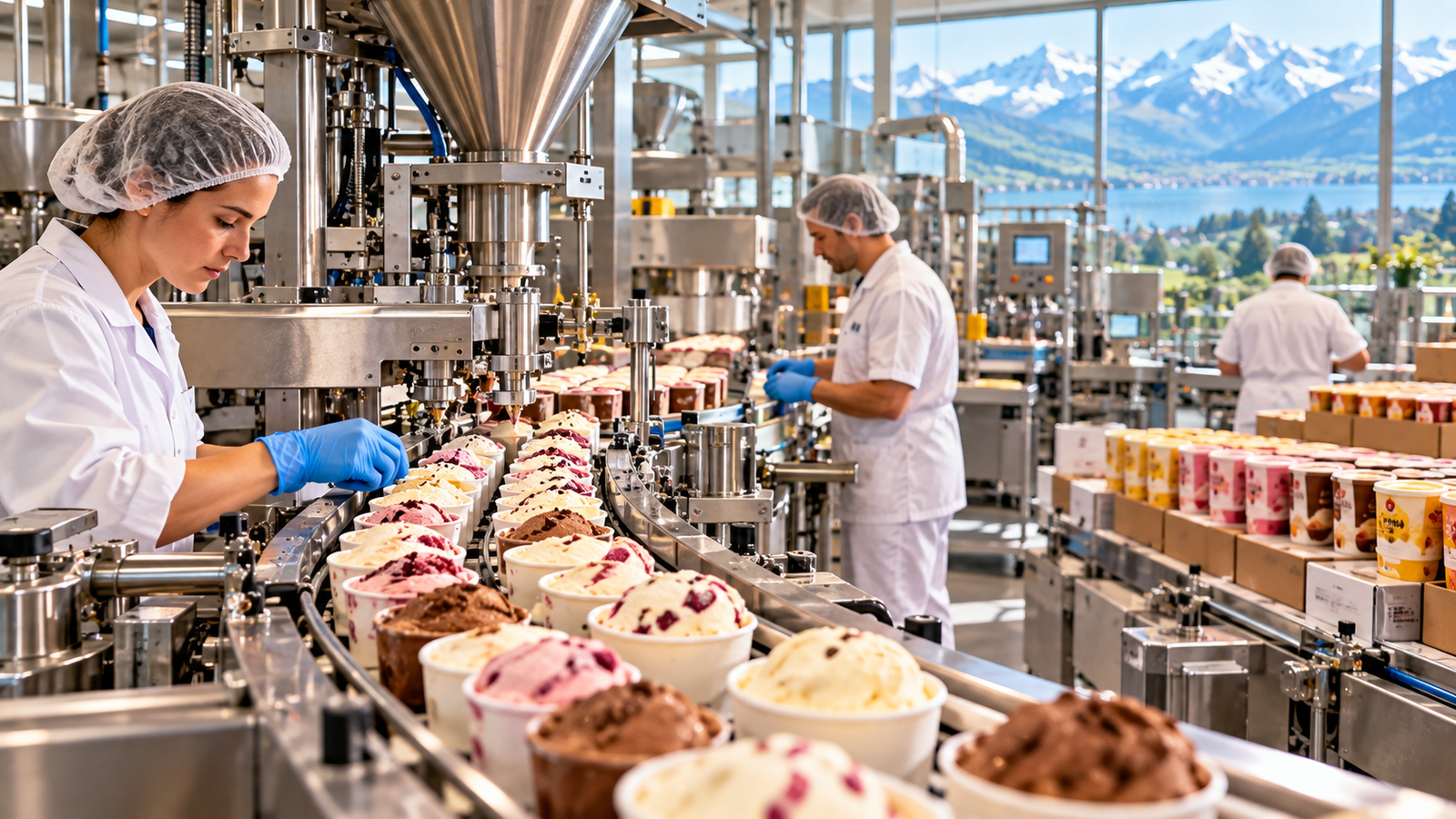
Migros, Switzerland’s largest retail cooperative, operates an extensive food production network that manufactures many of the products sold in its stores. Ice cream production is handled through Migros Industry operations, which supply supermarkets throughout the country. The company reported that this year’s summer demand pushed production volumes to a multi-year high as customers purchased more frozen desserts during periods of elevated temperatures.
The increase illustrates a recurring relationship between weather and food retail performance. Warm conditions often drive higher sales of products such as ice cream, chilled beverages, and seasonal foods, while cooler summers can reduce demand. This year’s sustained heat provided favorable conditions for producers and retailers specializing in summer products.
Industry analysts frequently note that weather can have a significant impact on consumer purchasing decisions, especially in categories linked directly to outdoor activities and seasonal consumption. Ice cream is among the products most closely associated with temperature fluctuations, making it particularly sensitive to changing weather patterns.
For Migros, the strong season comes during a period of strategic focus on its core retail and food production businesses. The cooperative has been streamlining operations in recent years while continuing to invest in areas closely tied to everyday consumer demand. Food manufacturing remains one of the group’s key activities, supplying a broad range of products to Swiss consumers.
The company’s production network includes several major facilities that manufacture dairy products, confectionery items, baked goods, and frozen desserts. These operations allow Migros to respond quickly to changing market conditions and shifts in consumer preferences. When demand rises sharply, production schedules can be adjusted to help maintain supplies across the retailer’s nationwide store network.
The strong performance of ice cream sales also offers insight into broader consumer behavior. Despite concerns about inflation and household spending pressures in many markets, consumers often continue purchasing relatively affordable seasonal treats. Ice cream remains a popular discretionary purchase, particularly during periods of extreme heat.
Across Europe, weather-related demand spikes have become increasingly important for retailers planning inventory and production strategies. Businesses must balance the risk of producing too little during hot summers against the possibility of excess stock during cooler seasons. Advances in forecasting and supply-chain management have improved companies’ ability to react to these fluctuations.
The Swiss experience this year reflects trends observed in other countries where warmer temperatures have supported strong sales of cold beverages, frozen foods, and outdoor leisure products. While weather alone does not determine retail performance, it can create significant short-term opportunities for businesses that are well positioned to meet seasonal demand.
Climate experts have also noted that warmer summers are becoming a more frequent feature in many regions. Although individual weather events cannot be attributed to long-term climate trends without detailed scientific analysis, businesses increasingly monitor temperature patterns because of their potential effect on consumer markets.
For food manufacturers, adapting to shifting seasonal demand has become a growing operational priority. Production planning, ingredient sourcing, storage capacity, and logistics must all be aligned to ensure products remain available when demand rises unexpectedly.
Migros’ experience this summer demonstrates how rapidly changing weather conditions can influence production decisions. The company’s ability to increase output helped meet customer demand during one of the strongest ice cream seasons in recent years.
The development is particularly notable given Switzerland’s relatively moderate climate compared with some southern European markets. While ice cream remains popular throughout the country, exceptionally warm summers can produce demand levels that exceed normal expectations, creating both opportunities and logistical challenges for retailers.
The strong season may also provide valuable data for future planning. Retailers routinely analyze sales trends linked to weather conditions to improve forecasting models and inventory management. Understanding how consumers respond to temperature changes can help companies prepare for future summers and reduce the risk of shortages.
As the warmer months draw to a close, the season stands out as an example of how weather patterns can directly influence economic activity. For Migros and its production facilities, the summer delivered one of the busiest periods in recent memory for ice cream manufacturing, driven by consumers seeking relief from the heat.
The result underscores the continued importance of seasonal products within Switzerland’s retail economy and highlights how even short-term weather trends can shape purchasing behavior across the country.