Nestlé Keeps Russian Operations Running After Kremlin Places Assets Under External Control
Nestlé has indicated that it intends to continue operating in Russia despite a Kremlin decision to place the Swiss food giant’s local assets under temporary external administration, a move that has heightened concerns among international businesses still active in the Russian market.
The development marks the latest chapter in Russia’s increasingly assertive approach toward foreign-owned companies from countries it considers “unfriendly.” While the Swiss company emphasized that ownership of its Russian operations has not changed, the Kremlin’s intervention has raised fresh questions about the long-term security of Western corporate investments in the country.
The dispute emerged after a presidential decree signed by Russian President Vladimir Putin transferred control of Nestlé’s Russian assets to a little-known entity known as L.E.V. Management. The same decree also affected the Russian operations of French retailer Auchan and several other foreign-linked businesses. Russian authorities described the arrangement as temporary external administration rather than outright nationalization.
Despite the move, Nestlé’s Russian subsidiary stated that it would continue commercial operations and fulfill commitments to customers, business partners, and employees. Company representatives indicated that they currently view the administration order as a management change rather than a transfer of ownership and expressed a willingness to cooperate with the appointed administrators while protecting the company’s interests.
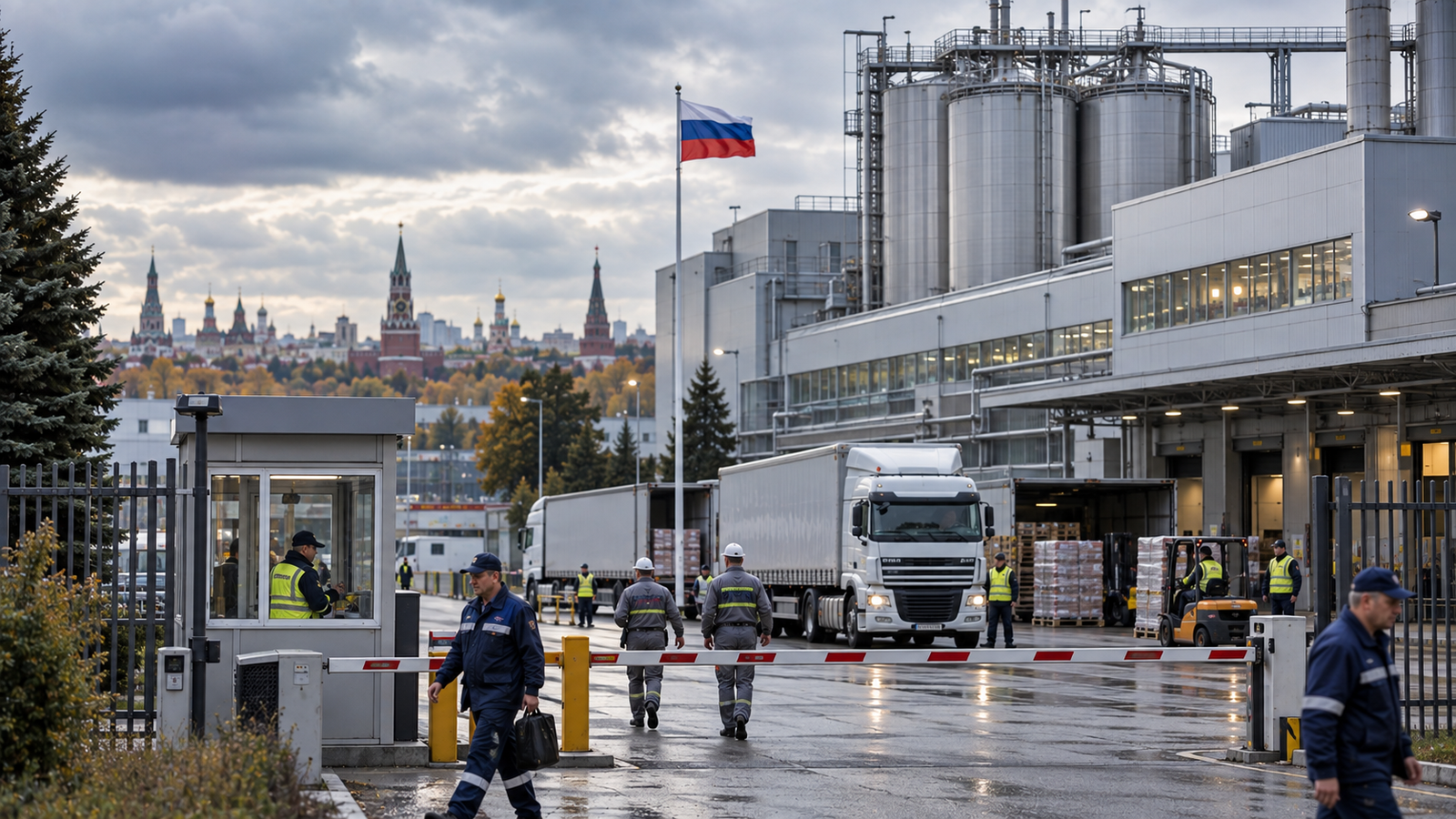
The decision is significant because Nestlé remains one of the largest Swiss companies operating in Russia. The company has maintained a presence in the country for decades and employs thousands of workers across multiple production facilities. Reports indicate that Nestlé operates six factories in Russia and employs roughly 7,000 people there.
The Kremlin’s action comes amid continuing tensions between Russia and Western nations following Moscow’s invasion of Ukraine. Since 2022, many multinational corporations have either exited Russia entirely or significantly reduced their activities. Others have remained, citing obligations to employees, local consumers, or the essential nature of some products.
Nestlé adopted a middle-ground approach after the invasion. The company curtailed numerous commercial activities, suspended investment, and halted sales of many non-essential brands while continuing to supply products such as infant nutrition and medical nutrition items. Company officials have previously argued that maintaining access to essential food products was an important consideration in determining their level of engagement in the Russian market.
However, the Kremlin’s latest move illustrates the growing uncertainty facing companies that chose to retain operations in Russia. Analysts note that temporary administration has, in several previous cases, preceded forced sales or broader state intervention. Similar measures affected foreign-owned businesses such as Danone and Carlsberg, whose Russian operations were eventually transferred to new owners following government involvement.
Although Russian officials insist that no final decision has been made regarding Nestlé’s future ownership structure, investors and corporate observers are closely monitoring developments. Kremlin spokesperson Dmitry Peskov has stated that authorities are currently considering only external administration and that no additional measures have been announced.
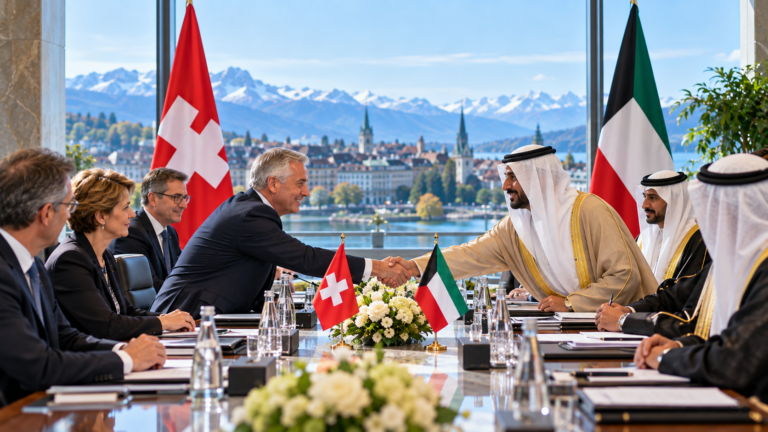
For Switzerland, the situation carries broader economic implications. Swiss companies have historically maintained substantial business interests in Russia, even as diplomatic and commercial relations became more complicated following sanctions and geopolitical tensions. While some firms have reduced their exposure, others continue to operate under increasingly challenging conditions.
Business experts say the latest intervention highlights the difficult decisions multinational corporations face when operating in politically sensitive environments. Companies that remain in Russia must balance commercial interests, legal obligations, reputational considerations, and the risk of government intervention. Those that leave often face significant financial losses, regulatory hurdles, or difficulties in disposing of local assets.
The Kremlin has argued that actions involving foreign-owned businesses are a response to policies adopted by countries that imposed sanctions on Russia. Moscow has repeatedly framed such measures as protective steps aimed at safeguarding national interests and maintaining economic stability during a period of international pressure. Western governments and many business groups, however, view the interventions as a source of uncertainty for foreign investors and a challenge to property rights.
For Nestlé, the immediate priority appears to be maintaining continuity for employees, suppliers, and customers while evaluating legal and strategic options. The company has stated that it is taking steps to protect its rights and preserve business operations as it assesses the implications of the Kremlin’s decision.
The situation remains fluid, and no timeline has been provided regarding how long the external administration arrangement may remain in place. As international businesses continue to navigate a changing regulatory environment in Russia, Nestlé’s experience is likely to be closely watched by corporate leaders, investors, and policymakers across Europe and beyond.