Swiss Defense Chief Faces Intensifying Scrutiny Over F-35 Fighter Jet Program
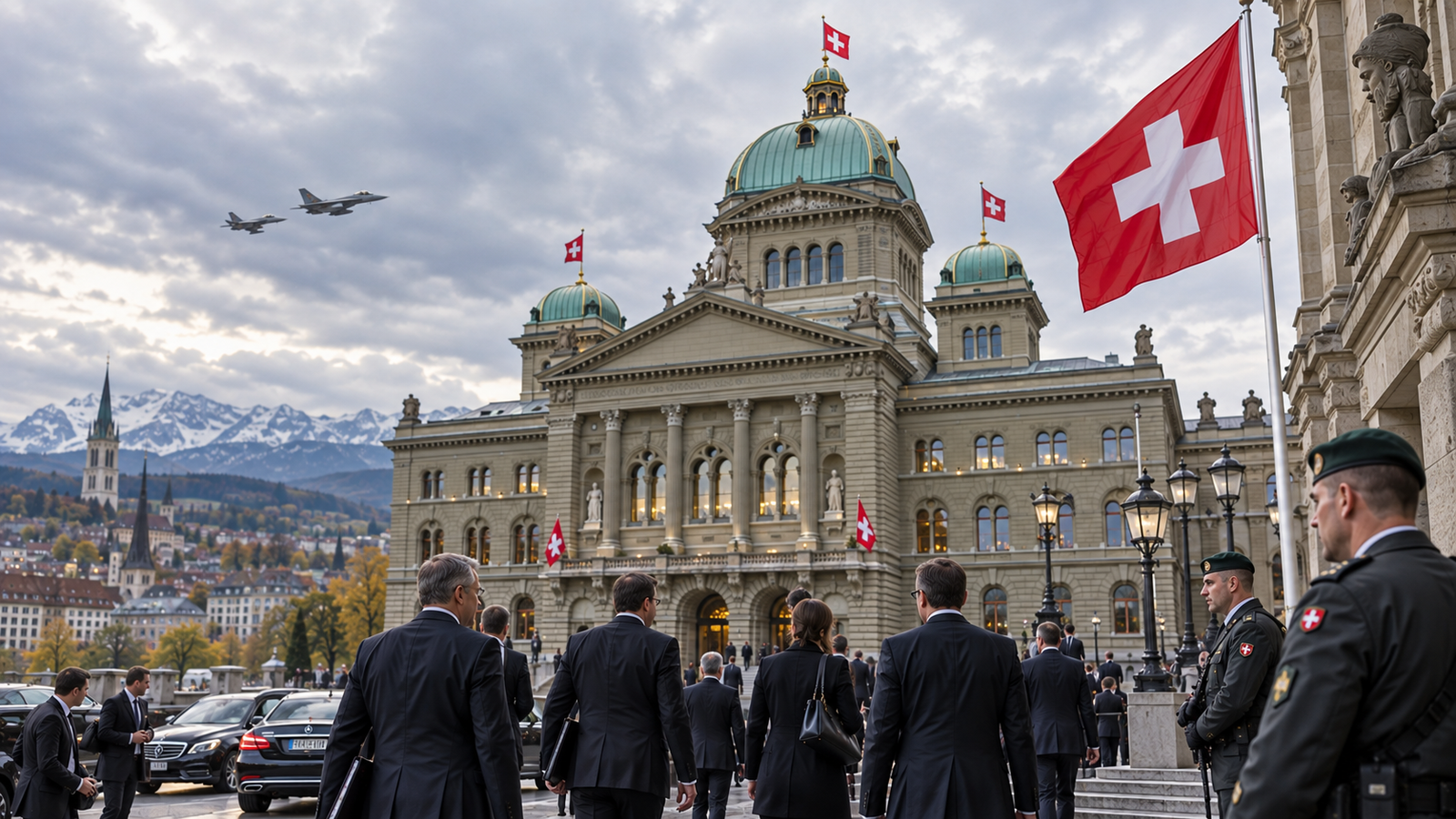
Switzerland’s acquisition of F-35 fighter jets has become one of the most closely examined defense issues in the country, with lawmakers directing a growing number of questions to Defense Minister Martin Pfister as political debate over the multibillion-franc project intensifies.
The renewed parliamentary scrutiny reflects broader concerns surrounding military procurement, government spending, and Switzerland’s long-term security strategy at a time when European nations are reassessing defense priorities amid an increasingly uncertain geopolitical environment. Recent parliamentary inquiries have focused on costs, delivery schedules, contractual obligations, and the overall management of the F-35 program.
The F-35 program has been a subject of public discussion since Switzerland selected the U.S.-built fighter aircraft as the replacement for its aging fleet under the Air2030 modernization initiative. In 2021, the Swiss government proposed acquiring 36 F-35A aircraft, citing operational capabilities and cost-effectiveness. Contracts were later signed with the United States, with deliveries expected to begin in the second half of the decade.
What was initially presented as a major modernization project has since evolved into a wider political debate. Questions surrounding procurement costs have attracted particular attention after Swiss authorities acknowledged that expenses associated with the aircraft could exceed earlier expectations. The issue has fueled demands from lawmakers seeking greater transparency regarding the terms negotiated with U.S. authorities and defense contractors.
Parliamentarians from multiple political camps have sought clarification on whether the original financial assumptions remain valid and how any additional costs might affect future defense budgets. Lawmakers have also questioned how potential overruns could influence other military modernization programs competing for funding within Switzerland’s armed forces.
Martin Pfister, who has taken a leading role in Swiss defense policy, now finds himself responding to a steady stream of inquiries regarding the project’s future. While defending the need to strengthen national defense capabilities, he has also been tasked with addressing public concerns over spending and procurement oversight. Switzerland’s political system places significant emphasis on accountability, and major defense purchases frequently receive close parliamentary and public examination.
The debate extends beyond financial considerations. Some lawmakers have raised broader strategic questions about Switzerland’s reliance on foreign defense suppliers and the long-term implications of operating highly advanced U.S.-made aircraft. Others argue that maintaining a modern air force remains essential as security conditions across Europe continue to evolve.
Defense officials have consistently maintained that replacing older fighter aircraft is necessary to ensure the Swiss Air Force can fulfill its responsibilities in protecting national airspace. Supporters of the program argue that the F-35 offers advanced capabilities that will remain relevant for decades and provide interoperability benefits when working with partner nations on security matters.
At the same time, critics have questioned whether the aircraft’s capabilities exceed Switzerland’s defense requirements and whether alternative options could have provided a more economical solution. Those concerns have become more pronounced as discussions about overall procurement costs continue.
The issue has gained additional significance because Switzerland is simultaneously pursuing broader military reforms. Government officials have proposed increasing defense spending, strengthening security cooperation with European partners, and improving the country’s preparedness for emerging threats, including cyberattacks and advanced aerial systems. Those ambitions place additional pressure on defense budgets and increase scrutiny of major acquisitions.
Earlier reports indicated that Switzerland was considering adjustments to its fighter jet plans as costs evolved. Government officials have discussed the possibility of acquiring fewer aircraft than originally envisioned while still maintaining core operational requirements. Such discussions have further fueled parliamentary interest in understanding the financial and strategic consequences of the procurement program.
For lawmakers, the central issue increasingly revolves around transparency and accountability. Parliamentary committees and individual members continue to seek detailed explanations regarding negotiations, budget projections, and risk management. The large financial commitment associated with the project ensures that questions are unlikely to disappear in the near future.
The controversy also illustrates a broader challenge facing many governments. Across Europe and beyond, defense modernization programs are encountering rising costs, supply-chain pressures, and changing security priorities. As countries invest more heavily in military capabilities, public officials face growing expectations to demonstrate that procurement decisions deliver value while maintaining public confidence.
For Switzerland, the F-35 debate has become more than a discussion about aircraft. It has evolved into a wider conversation about national security, defense spending, political oversight, and the country’s role in a rapidly changing security environment. As Parliament continues to examine the project and government officials prepare future defense proposals, the fighter jet program is likely to remain a prominent issue in Swiss politics.
With deliveries still planned in the coming years and additional parliamentary reviews expected, Martin Pfister and his department will continue to face close scrutiny. The outcome of those discussions could shape not only the future of the F-35 acquisition but also the direction of Swiss defense policy for years to come.