Authorities Uphold Closure Order for Iconic Rhône Glacier Ice Cave in Swiss Alps
One of Switzerland’s most recognizable glacier attractions is facing an uncertain future after authorities in the canton of Valais upheld a decision requiring the operator of the Rhône Glacier ice cave to halt tourist activities and restore the site. The ruling marks the latest chapter in a years-long dispute involving environmental concerns, tourism interests, and the rapid transformation of Alpine glaciers.
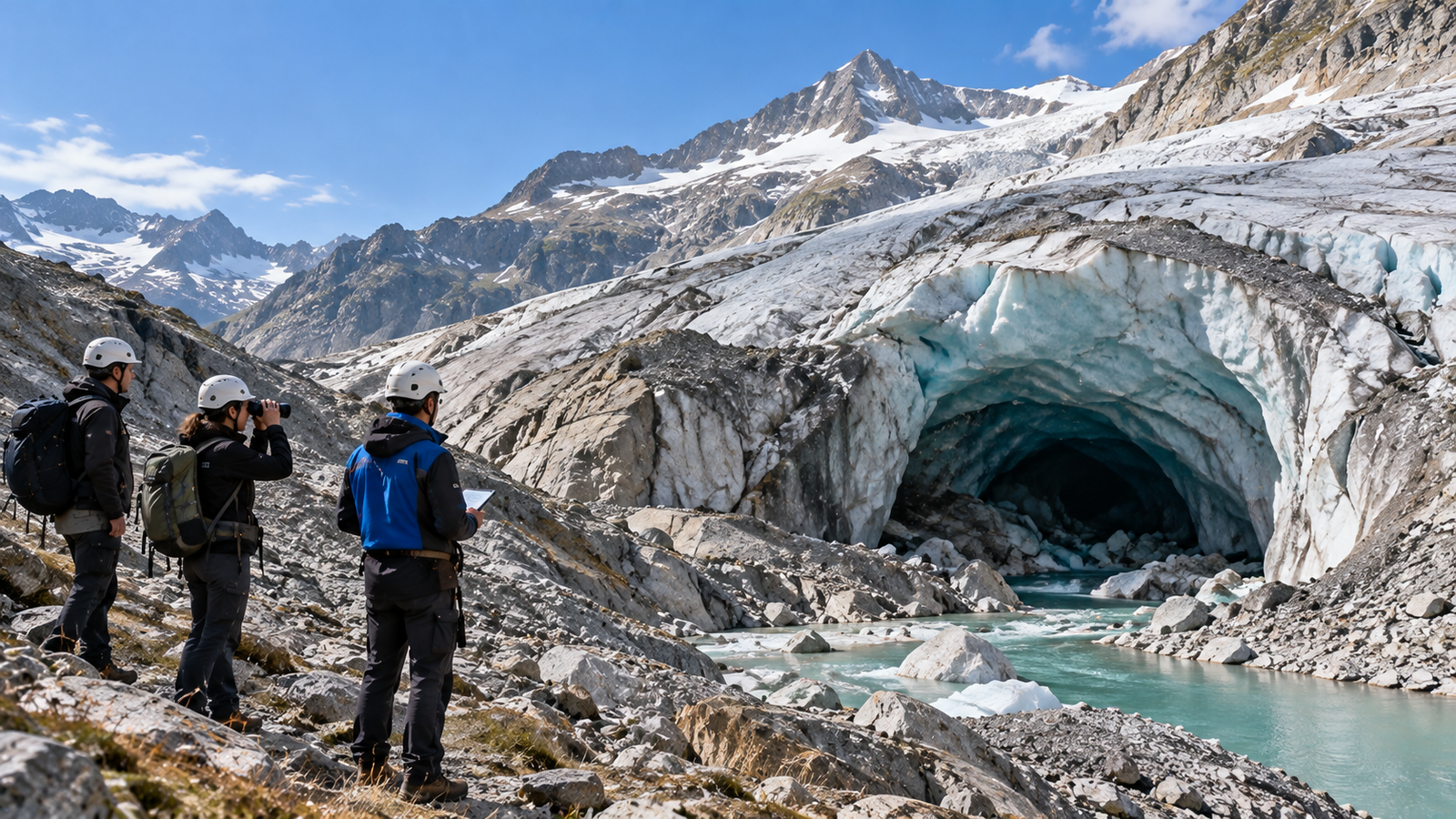
The Rhône Glacier, located near the Furka Pass in the Swiss Alps, has long attracted visitors seeking a rare opportunity to walk inside a tunnel carved directly into glacial ice. For generations, the site has served as both a tourist destination and a visible reminder of the dramatic changes occurring in mountain environments affected by rising temperatures.
According to the latest decision by Valais authorities, the operator’s appeal against an earlier order was rejected. The ruling requires the restoration of the area and the cessation of tourist operations associated with the ice cave. Officials determined that the measures imposed by local authorities should remain in force despite objections from the operator.
The case has attracted considerable attention because the Rhône Glacier ice cave has become one of the best-known glacier tourism experiences in Switzerland. Situated alongside the historic Furka Pass route, the attraction has offered visitors unusually close access to a major Alpine glacier. The cave itself has required repeated reconstruction over the years as the glacier retreated and changed shape.
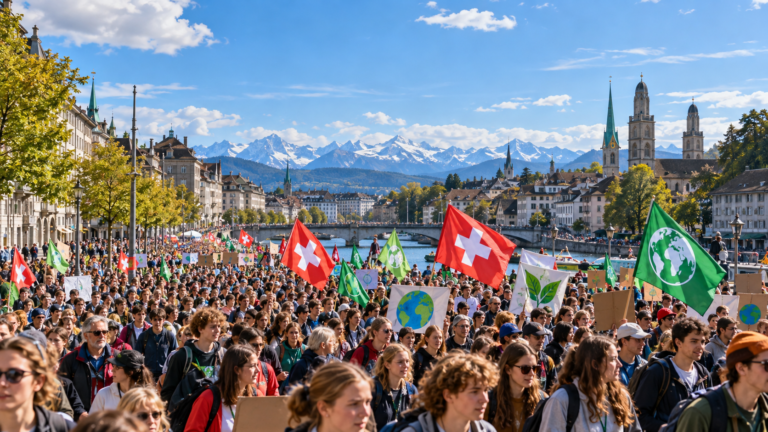
Environmental organizations have increasingly questioned whether continued excavation and tourist infrastructure within the glacier are compatible with conservation goals. Earlier this year, campaigners submitted a petition calling for stronger protection measures around the glacier and the removal of structures they argued were contributing to environmental pressures on the site. The petition gathered thousands of signatures and intensified public debate over the future of the attraction.
The dispute comes at a time when Switzerland’s glaciers are experiencing another difficult year. Scientists have warned that unusually warm conditions and limited winter snowfall have accelerated ice loss across the Alps. Monitoring data from 2026 showed that snow cover protecting many glaciers disappeared earlier than normal, exposing underlying ice to prolonged summer melting. Researchers described conditions as among the most concerning observed in recent years.
The Rhône Glacier has become one of the most visible examples of this trend. Historical observations indicate that the glacier has retreated dramatically since the nineteenth century, leaving behind exposed rock and a growing glacial lake. Visitors returning after decades often report seeing striking differences in the glacier’s size and appearance. Scientists and tourism officials alike acknowledge that the glacier’s ongoing retreat is reshaping both the landscape and the visitor experience.
Efforts to slow melting at selected locations have included covering parts of glacier surfaces with reflective materials during summer months. Researchers are also experimenting with alternative protective coverings, including biodegradable wool-based materials, although experts stress that such measures can only protect small areas and do not address the underlying causes of glacier decline. Long-term glacier preservation ultimately depends on broader reductions in greenhouse-gas emissions, according to climate scientists.
The closure order highlights a broader challenge facing Alpine tourism. Many destinations have built local economies around glaciers that are shrinking at unprecedented rates. Operators must balance visitor demand with environmental regulations, safety requirements, and evolving conservation standards. In some locations across the Alps, glacier attractions have already been relocated, modified, or reduced because of changing ice conditions.
For communities near the Rhône Glacier, the attraction has provided a seasonal source of tourism revenue and international visibility. The possibility of losing one of the region’s signature visitor experiences has raised concerns among businesses that depend on Alpine tourism. At the same time, environmental advocates argue that preserving the natural landscape should take priority as glaciers continue to retreat.
The Valais ruling does not alter the broader reality facing Swiss glaciers. Researchers warn that continued warming is expected to drive further ice loss across the country, affecting water resources, mountain ecosystems, tourism infrastructure, and natural hazards. The Rhône Glacier’s future, whether as a tourist attraction or a conservation site, will be shaped by those larger environmental forces.
As legal and administrative procedures continue, the decision represents a significant moment in the debate over how Switzerland should manage famous natural landmarks that are simultaneously cultural attractions and fragile environmental assets. The outcome may influence future policies concerning glacier tourism throughout the Alps, where climate change is transforming landscapes that once appeared permanent.