Fribourg, Fribourg, Switzerland
Fribourg: Switzerland’s Medieval City Between Two Cultures
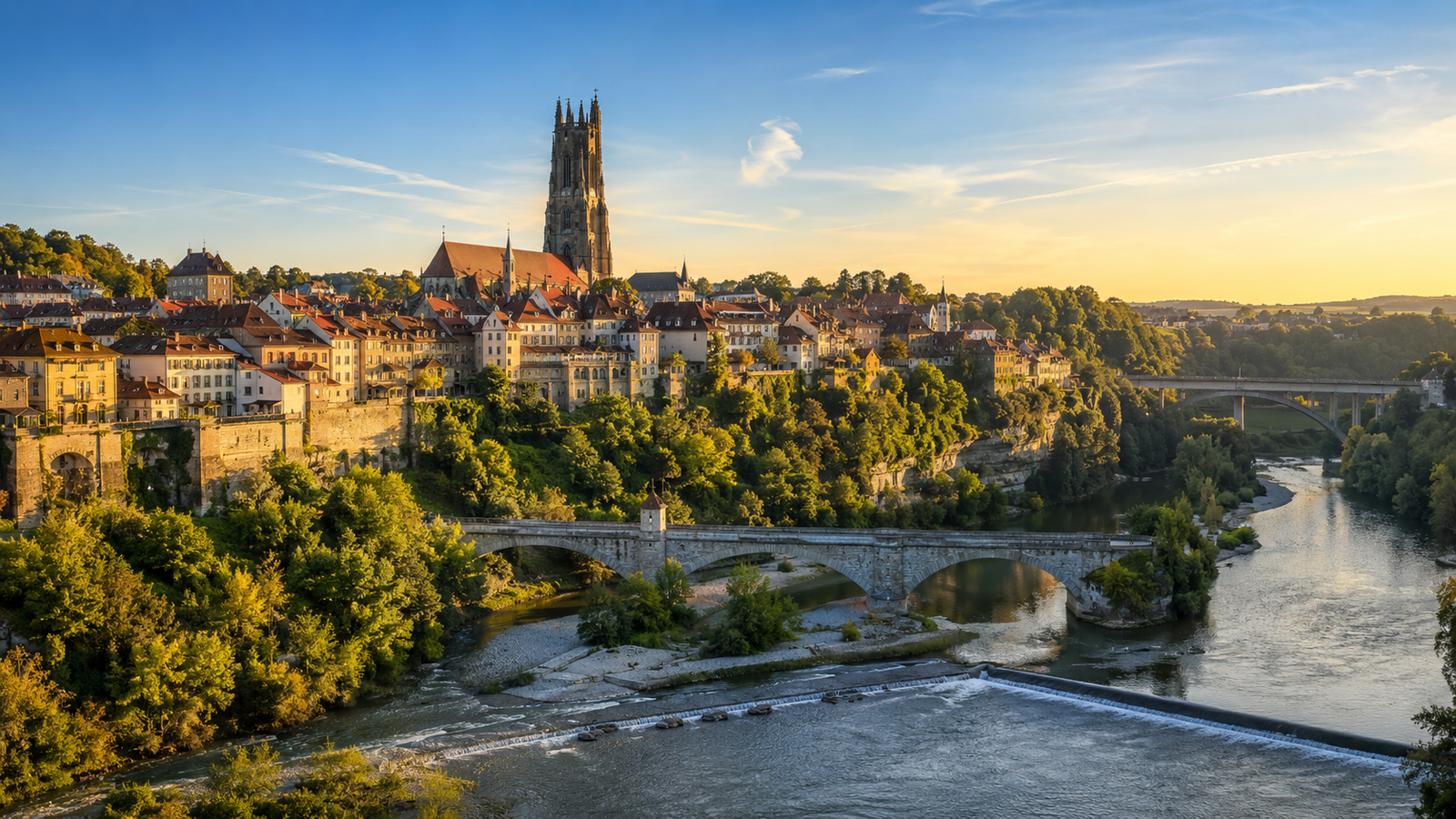
Perched above the winding Sarine River in western Switzerland, Fribourg is one of the country’s most captivating historic cities. Known for its remarkably preserved medieval center, dramatic river landscapes, Gothic architecture, and unique position between French- and German-speaking Switzerland, Fribourg offers visitors an experience that feels both timeless and distinctly Swiss.
Unlike many destinations that rely on a single landmark, Fribourg reveals its appeal through layers of history, culture, and everyday life. Ancient stone bridges connect neighborhoods separated by steep cliffs, church bells echo through narrow streets, and centuries-old buildings coexist with a vibrant university atmosphere. The result is a city that balances heritage and modern life with remarkable ease.
A City Born in the Middle Ages
Fribourg was founded in 1157 by Duke Berthold IV of Zähringen, a member of the influential noble family responsible for establishing several important towns across the region. Its strategic location above the Sarine River made it both defensible and commercially valuable, helping the settlement develop into an important regional center.
The city’s history reflects centuries of political and cultural change. After the extinction of the Zähringen dynasty, Fribourg passed through the hands of various rulers before eventually becoming part of the Swiss Confederation in 1481. Throughout these transitions, the city preserved much of its medieval character, leaving behind one of the most significant historic urban ensembles in Switzerland.
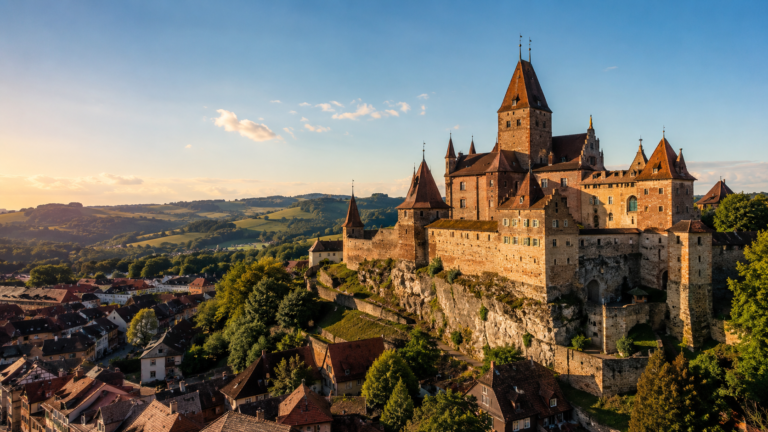
Today, walking through Fribourg is like exploring a living historical landscape where towers, churches, fortified walls, and stone streets continue to shape the urban environment.
Geography Shaped by the Sarine River
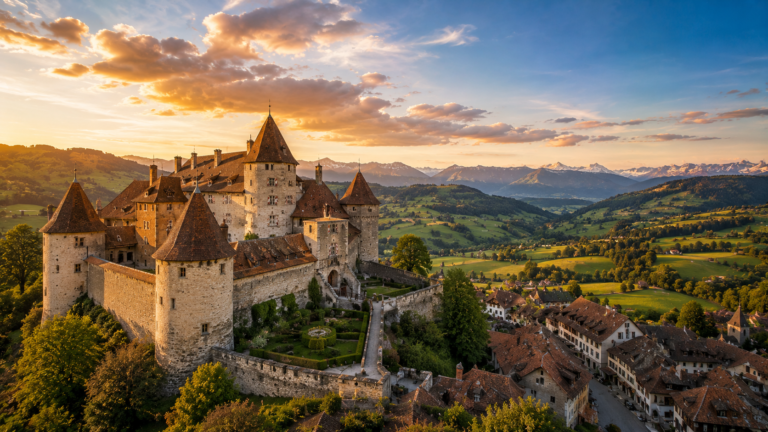
Much of Fribourg’s visual appeal comes from its dramatic geography. The city occupies a rocky plateau surrounded by bends of the Sarine River, creating natural defenses that influenced its original layout. Steep cliffs separate the upper and lower parts of the city, while bridges span deep river valleys and connect neighborhoods built across different elevations.
The river remains central to the visitor experience. Scenic walking paths follow the water through wooded sections and historic districts, offering perspectives that reveal why the city’s founders selected this location more than eight centuries ago.
The contrast between the elevated old quarters and the tranquil riverbanks gives Fribourg a distinctive landscape rarely found elsewhere in Switzerland.
Exploring One of Switzerland’s Finest Old Towns
Fribourg’s Old Town is widely regarded as one of the best-preserved medieval urban areas in Europe. The district stretches across both upper and lower sections of the city, linked by historic streets, stairways, and bridges that encourage exploration on foot.
Visitors encounter an impressive collection of Gothic architecture, including historic residences, civic buildings, churches, and public squares. More than two hundred Gothic façades contribute to the district’s unique character, creating an atmosphere that reflects centuries of architectural continuity.
Among the most fascinating neighborhoods is Le Bourg, the historic core established during the city’s founding. This district contains many of Fribourg’s most important monuments and provides a concentrated glimpse into the city’s medieval origins.
St. Nicholas Cathedral: The City’s Landmark
No visit to Fribourg is complete without seeing St. Nicholas Cathedral. Construction of this Gothic masterpiece began in the thirteenth century and continued for generations, resulting in one of Switzerland’s most important religious monuments.
The cathedral dominates the skyline with its soaring tower, which rises above the surrounding rooftops. Visitors willing to climb the tower are rewarded with sweeping views across the city, the Sarine Valley, and the surrounding countryside.
Inside, the cathedral features notable stained-glass windows created by Polish artist Józef Mehoffer, whose Art Nouveau designs add vibrant color and artistic distinction to the historic interior. The building is also known for its celebrated organ, which has attracted musicians and audiences for generations.
Bridges, Fortifications, and Historic Streets
Bridges are an essential part of Fribourg’s identity. The city contains numerous historic crossings that connect neighborhoods divided by the river and surrounding ravines. Some date back centuries and provide exceptional viewpoints over the medieval landscape.
Equally impressive are the surviving fortifications. Sections of walls, towers, and defensive structures remain visible throughout the city, offering insight into how Fribourg protected itself during the Middle Ages. Visitors can explore portions of these historic defenses and appreciate the strategic advantages provided by the city’s natural setting.
The experience of wandering through Fribourg is often defined by simple discoveries: a hidden courtyard, a centuries-old fountain, a narrow stone lane, or a panoramic overlook above the river. These details create a sense of authenticity that distinguishes the city from more heavily commercialized destinations.
Culture Between Two Languages
Fribourg occupies a special position within Switzerland as a meeting point between French- and German-speaking regions. This cultural duality has shaped the city for centuries and remains visible today in daily life, education, traditions, and public institutions.
The city’s bilingual character enriches its atmosphere and contributes to a broader sense of cultural exchange. Visitors encounter influences from both linguistic traditions, creating an experience that reflects the diversity of Switzerland itself.
Fribourg is also home to a respected university and an active cultural scene. Museums, galleries, festivals, and public art installations complement the city’s historical attractions. Contemporary works associated with artist Jean Tinguely add a modern dimension to a destination often celebrated for its medieval heritage.
Best Things to Do in Fribourg
A visit to Fribourg can be as relaxed or as active as travelers prefer. Popular experiences include:
- Exploring the medieval Old Town on foot.
- Climbing the tower of St. Nicholas Cathedral.
- Walking along the Sarine River and Lower Town.
- Discovering historic bridges and city fortifications.
- Visiting museums dedicated to art and regional history.
- Experiencing the city’s cafés, markets, and local restaurants.
- Photographing panoramic viewpoints overlooking the river valley.
Many visitors find that the greatest pleasure comes simply from wandering without a fixed itinerary and allowing the city’s streets to reveal their stories naturally.
Best Time to Visit
Fribourg welcomes visitors throughout the year. Spring and summer offer pleasant weather for walking tours, outdoor dining, and riverside exploration. Autumn brings colorful scenery and comfortable temperatures for sightseeing.
Winter creates a quieter atmosphere, with historic streets and stone buildings providing a particularly atmospheric backdrop during the colder months. Seasonal events and local traditions add further interest depending on the time of year.
Transportation and Accessibility
Fribourg enjoys a central position within Switzerland and is well connected by the national rail network. Regular train services link the city with major destinations such as Bern, Lausanne, Geneva, and Zurich, making it an easy addition to a broader Swiss itinerary.
Once in the city, many attractions can be reached on foot. Public transportation supplements pedestrian exploration, while the compact nature of the historic center allows visitors to experience much of Fribourg without extensive travel.
Rather than competing with Switzerland’s famous alpine resorts, Fribourg offers something different: a journey through centuries of history, architecture, and cultural exchange. Its medieval streets, riverside scenery, Gothic monuments, and bilingual heritage create a destination rich in character and authenticity. For travelers seeking a deeper understanding of Switzerland beyond mountains and ski resorts, Fribourg stands among the country’s most rewarding urban discoveries.