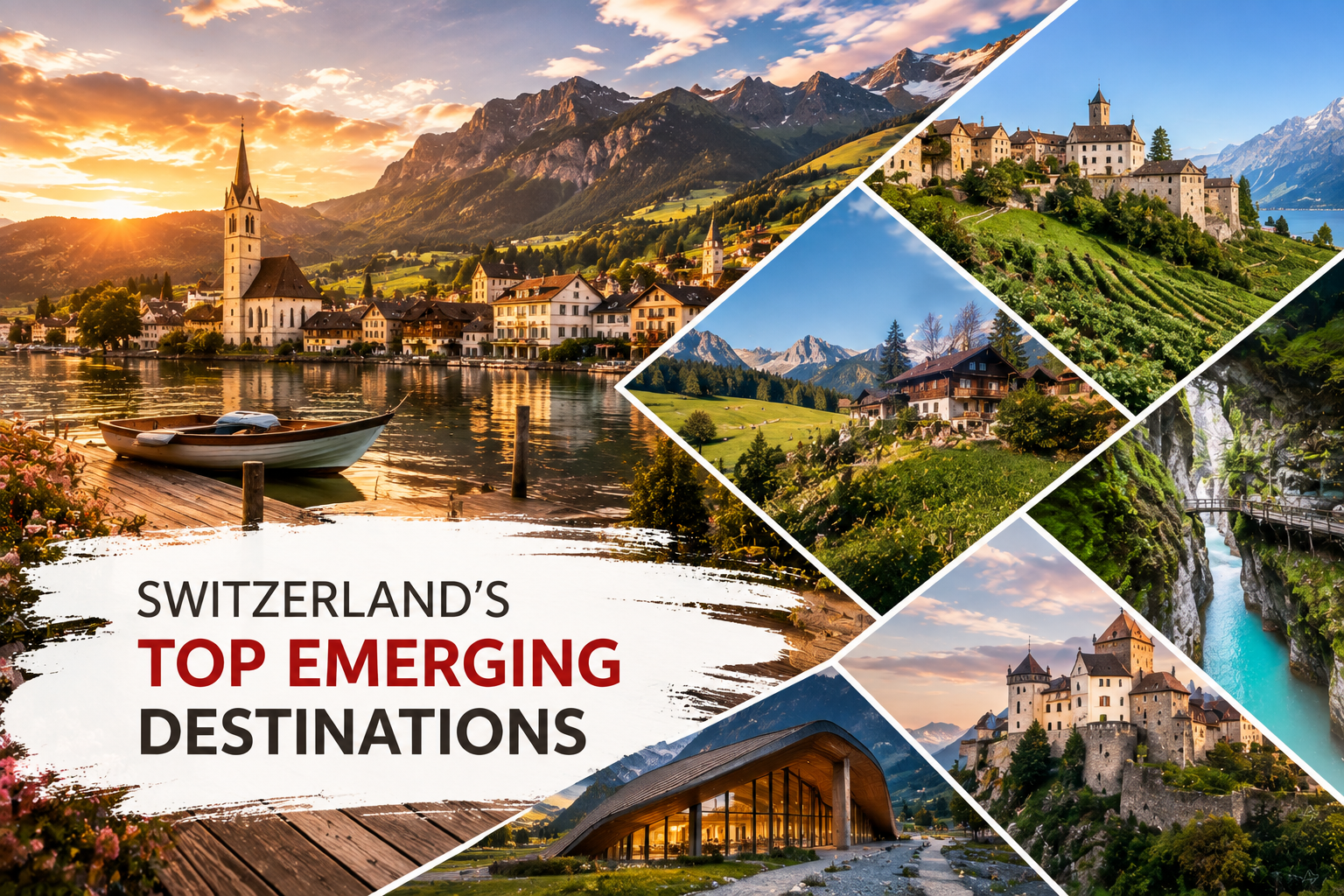
Switzerland’s Top Emerging Destinations: Remarkable Places Beyond the Famous Tourist Trail
When travelers think about Switzerland, names such as Zermatt, Interlaken, Lucerne, and St. Moritz usually dominate the conversation. Yet beyond these internationally famous destinations lies another Switzerland—one defined by quieter valleys, lesser-known mountain communities, spectacular natural landscapes, and authentic cultural experiences.
In recent years, several Swiss regions have attracted growing attention from travelers seeking alternatives to crowded tourist hotspots. Improved transportation, sustainable tourism initiatives, outdoor recreation opportunities, and a desire for more authentic experiences have helped these destinations emerge as some of the country’s most exciting places to explore.
Rather than competing with Switzerland’s iconic destinations, these locations offer a different perspective on the country—one that combines breathtaking scenery with a stronger sense of local identity.
Aletsch Arena: Home to the Alps’ Greatest Glacier
One of the most impressive emerging destinations in Switzerland is the Aletsch Arena in the canton of Valais. The region surrounds the Great Aletsch Glacier, the largest glacier in the Alps and the centerpiece of the Swiss Alps Jungfrau-Aletsch UNESCO World Heritage Site.
Unlike some of Switzerland’s more heavily visited mountain resorts, the Aletsch Arena is known for its peaceful atmosphere and car-free alpine villages, including Riederalp, Bettmeralp, and Fiescheralp. Visitors reach these villages by cable car, creating a remarkably tranquil environment.
The region offers panoramic viewpoints overlooking the glacier, extensive hiking trails, winter sports opportunities, and access to ancient alpine forests. Travelers increasingly recognize it as one of the most rewarding destinations for experiencing Switzerland’s mountain landscapes without the crowds often associated with the country’s most famous resorts.
Andermatt: The Revival of a Historic Alpine Crossroads
Located in the canton of Uri, Andermatt has undergone one of Switzerland’s most remarkable tourism transformations.
For centuries, the village occupied a strategic position near several major Alpine passes, including the Gotthard Pass. Today, Andermatt is emerging as a year-round mountain destination that combines historic character with modern tourism infrastructure.
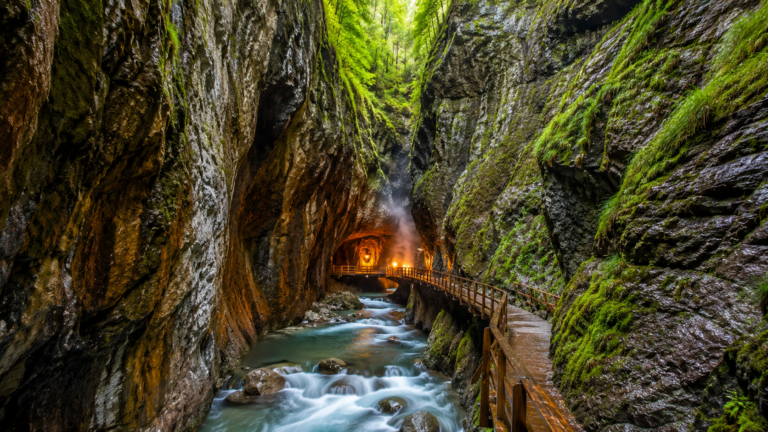
The village sits in the heart of a dramatic high-alpine landscape surrounded by mountain peaks and historic routes through the Swiss Alps. Visitors are drawn by scenic hiking trails, panoramic rail journeys, mountain biking routes, winter sports, and nearby attractions such as the Schöllenen Gorge and Devil’s Bridge.
What makes Andermatt especially appealing is its ability to balance development with authenticity. Travelers can enjoy modern accommodations and amenities while still experiencing a traditional Swiss mountain community rich in history and natural beauty.
Valposchiavo: Switzerland’s Quiet Southern Valley
Tucked away in the Italian-speaking canton of Graubünden, Valposchiavo remains one of Switzerland’s most overlooked treasures.
Connected to the famous Bernina railway route, the valley offers dramatic mountain scenery, traditional villages, local agricultural heritage, and a slower pace of life that appeals to modern travelers seeking meaningful experiences rather than packed itineraries.
The region has become increasingly recognized for sustainable tourism, regional food production, and cultural authenticity. Stone villages, mountain lakes, scenic hiking routes, and traditional cuisine provide a distinctly different Swiss experience compared with the country’s larger tourism centers.
For travelers exploring eastern Switzerland, Valposchiavo represents an opportunity to discover a side of the country that feels both timeless and remarkably preserved.
Vals: Architecture, Wellness, and Alpine Isolation
The mountain village of Vals has steadily gained international attention for a unique reason: its remarkable combination of architecture, wellness, and natural surroundings.
Located in a remote valley in Graubünden, Vals is known for its thermal waters and world-famous spa architecture, which helped place the village on the global travel map.
Yet the destination offers much more than wellness experiences. The surrounding mountains provide hiking opportunities, scenic landscapes, and a strong connection to traditional Alpine culture. Visitors often describe Vals as one of the most peaceful places in Switzerland, making it increasingly attractive to travelers seeking relaxation and nature rather than busy sightseeing schedules.
Soglio: The Village That Captures the Spirit of the Alps
Few villages embody the romance of the Swiss Alps quite like Soglio.
Perched above the Bregaglia Valley in southeastern Switzerland, the village combines historic stone architecture, narrow lanes, mountain views, and centuries-old traditions. Artists, writers, and travelers have long admired its unique setting.
While nearby destinations attract larger visitor numbers, Soglio remains relatively quiet, allowing travelers to appreciate its cultural and scenic qualities at a slower pace. The village’s emergence reflects a broader trend in Swiss tourism toward authentic communities and heritage-rich destinations.
For photographers, hikers, and cultural travelers, Soglio offers one of the most memorable village experiences in the country.
Appenzell: Tradition Meets Contemporary Discovery
Although Appenzell is hardly unknown within Switzerland, it remains surprisingly underappreciated internationally.
The town and surrounding region are famous for colorful buildings, traditional customs, alpine farming culture, and distinctive regional identity. Visitors can experience Switzerland’s rural heritage through local festivals, cheese-making traditions, folk culture, and scenic hiking routes.
The nearby Alpstein mountain range provides spectacular outdoor opportunities, while the town itself offers one of the country’s most charming historic centers.
As travelers increasingly seek authentic cultural experiences, Appenzell continues to emerge as a destination that reveals a deeper understanding of Swiss life beyond postcard scenery.
Murten: A Historic Lakeside Alternative
Located in western Switzerland, Murten combines medieval history with beautiful lakeside scenery.
The town’s remarkably preserved old town, defensive walls, waterfront setting, and relaxed atmosphere have attracted growing attention from visitors interested in history and culture.
Unlike larger Swiss cities, Murten offers a more intimate experience. Travelers can explore historic streets, enjoy local cuisine, take boat excursions on Lake Murten, and discover an area where French- and German-speaking Switzerland meet.
Its increasing popularity demonstrates how smaller Swiss towns are becoming important alternatives to more heavily visited urban destinations.
Saas-Fee: A Glacier Village with Lasting Appeal
Often overshadowed by nearby Zermatt, Saas-Fee has quietly developed a strong reputation among travelers seeking spectacular alpine scenery combined with a more relaxed atmosphere.
Surrounded by numerous peaks exceeding 4,000 meters, the village is known for its glacier landscapes, hiking routes, skiing opportunities, and car-free environment.
The destination appeals particularly to outdoor enthusiasts who value mountain experiences while avoiding some of the congestion associated with Switzerland’s most famous resorts.
Why Emerging Destinations Matter
The rise of these destinations reflects a broader evolution in Swiss tourism. Travelers today increasingly value authenticity, sustainability, local culture, and less crowded experiences.
Emerging destinations provide opportunities to distribute tourism more evenly across the country while helping visitors discover regions that have preserved much of their traditional character.
They also demonstrate the remarkable diversity of Switzerland itself. From glacier landscapes and remote valleys to historic villages and cultural centers, the country offers far more than its internationally famous icons.
For first-time visitors, these destinations can complement classic Swiss itineraries. For returning travelers, they often become the most memorable discoveries of all.
The future of Swiss travel may not belong solely to the destinations already known around the world. Increasingly, it belongs to places like Aletsch Arena, Andermatt, Valposchiavo, Vals, Soglio, Appenzell, Murten, and Saas-Fee—locations where extraordinary scenery, local culture, and genuine experiences come together in ways that feel distinctly Swiss.