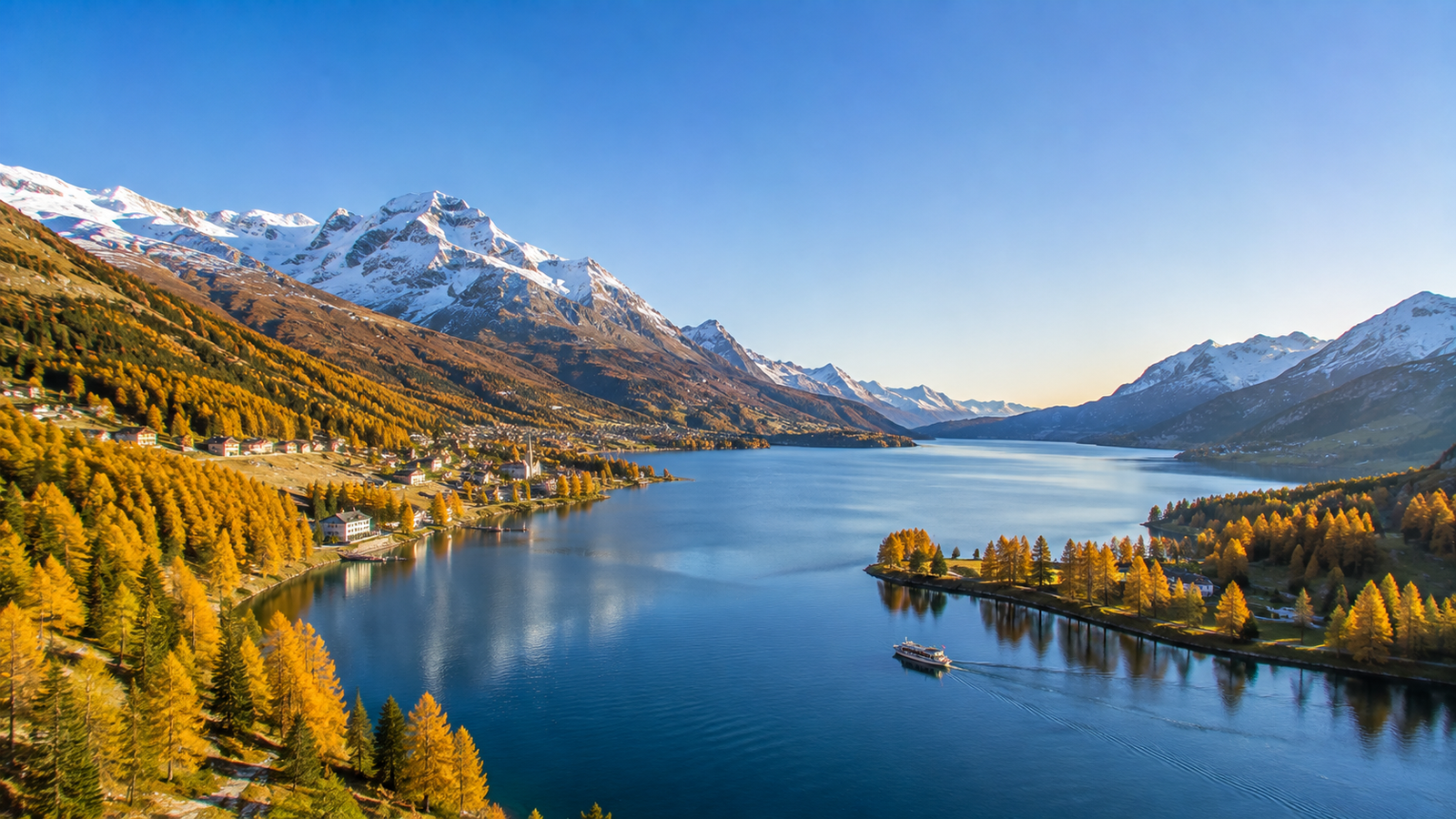
Lake Sils, Sils im Engadin, Switzerland
Lake Sils: The Serene Alpine Lake That Inspired Philosophers and Adventurers
Few places in the Swiss Alps combine natural grandeur and quiet reflection as effortlessly as Lake Sils. Located in the Upper Engadin region of Graubünden, this remarkable body of water stretches between the villages of Sils Maria and Maloja beneath a dramatic skyline of alpine peaks. While nearby St. Moritz often attracts international attention for its luxury and winter sports, Lake Sils offers a different experience—one defined by space, tranquility, and a deep connection to nature.
The lake occupies a unique position in the Engadin landscape. At nearly 1,800 meters (5,900 feet) above sea level, it is the largest lake in the Engadin Valley and one of the most significant natural lakes in the Alps at this elevation. Surrounded by forests, mountain passes, glaciers, and historic villages, it has become a destination for hikers, photographers, sailors, artists, and travelers seeking a quieter side of Switzerland.
A Landscape Shaped by Water and Mountains
The first impression of Lake Sils is often its scale. Unlike many alpine lakes enclosed by steep mountains, Lake Sils feels expansive. The water extends through a broad valley framed by towering peaks including Piz Corvatsch, Piz da la Margna, and Piz Grevasalvas. On calm days, the lake reflects the surrounding mountains with striking clarity, creating one of the most photogenic scenes in the Engadin.
The lake’s setting is equally fascinating from a geological perspective. It lies near the Maloja Pass, where landscapes transition between the Engadin and the Italian-speaking valleys beyond. Geological research indicates that the lake was formed by an ancient landslide that altered the valley’s drainage patterns, eventually creating the basin seen today.
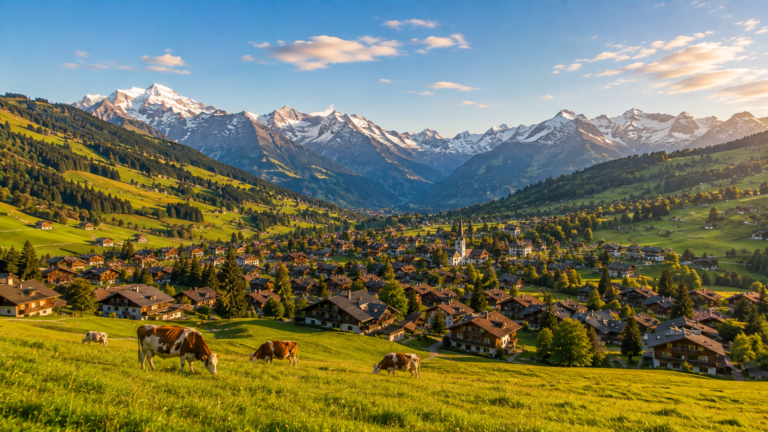
Unlike many heavily developed resort lakes, large sections of the shoreline remain natural. Larch forests reach toward the water, quiet bays provide access to the lake, and mountain trails wind through landscapes that appear largely unchanged from generations past.
The Lake That Captivated Friedrich Nietzsche
Lake Sils holds a special place in European intellectual history. During the late nineteenth century, philosopher Friedrich Nietzsche spent multiple summers in Sils Maria, a village located on the eastern shore of the lake. The surrounding scenery profoundly influenced his thinking and writing.
One of the most significant places associated with Nietzsche is the Chastè Peninsula, a wooded stretch of land extending into the lake. Walking through its peaceful larch forests today, visitors encounter a memorial stone honoring the philosopher. The peninsula offers broad views across the water toward Maloja and remains one of the most beloved natural landmarks in the region. Nietzsche himself reportedly described Chastè as the most beautiful place in the Engadin.
The connection between philosophy and landscape is particularly noticeable here. The vast horizons, changing light, and profound silence continue to attract visitors seeking inspiration, much as they did during Nietzsche’s time.
Experiencing the Lake from the Water
One of Lake Sils’ most distinctive features is its historic passenger boat service. During the summer season, scheduled boats connect several points around the lake, including Sils Maria, Chastè, Plaun da Lej, Isola, and Maloja. The service is recognized as the highest scheduled passenger boat route in Europe.
Traveling across the lake by boat reveals perspectives unavailable from the shoreline. Forested peninsulas, secluded beaches, and mountain ridges unfold gradually as the vessel moves through the valley. The journey is relatively short, yet it offers one of the most memorable sightseeing experiences in the Engadin.
The lake is also known for water sports. The Maloja wind, a regular afternoon breeze that develops in the valley, creates favorable conditions for sailing, windsurfing, and stand-up paddleboarding. Equipment rentals and sailing opportunities are available around selected lakeside areas during the warmer months.
Hiking Through the Upper Engadin
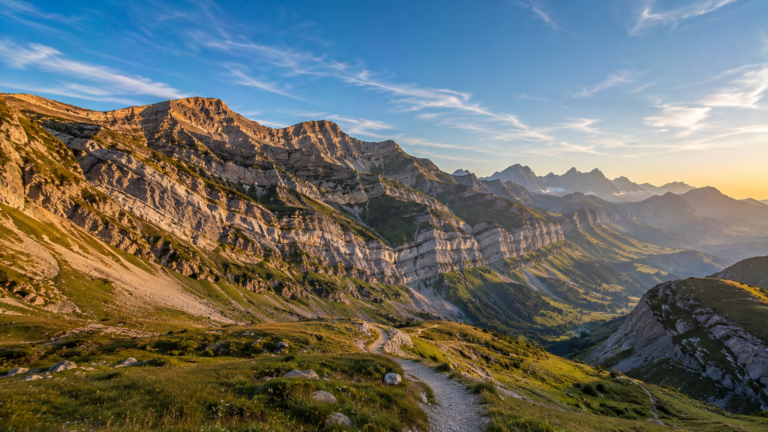
For many travelers, hiking is the primary reason to visit Lake Sils. Trails range from easy lakeside walks to more demanding alpine routes leading into surrounding valleys and mountain terrain.
The route around the lake itself offers a relatively accessible way to explore the area. Walkers pass forests, meadows, traditional Engadin architecture, and scenic viewpoints while remaining close to the water. The trail provides constantly changing perspectives of the lake and nearby peaks.
The nearby Val Fedoz is another highlight. This quiet side valley extends southward from the lake toward glacier-covered mountains and offers a more remote wilderness atmosphere. Visitors often encounter grazing livestock, alpine flowers, and expansive mountain scenery far from busy tourist centers.
For experienced hikers, trails connect Lake Sils with neighboring valleys, mountain huts, and higher viewpoints overlooking the entire Engadin lake district.
A Different Character in Every Season
Lake Sils changes dramatically throughout the year.
Summer brings hiking, cycling, boating, and water sports. Long daylight hours illuminate the surrounding mountains, while temperatures remain comfortable compared with lower-altitude destinations. The lake becomes a hub for outdoor recreation without ever feeling crowded.
Autumn transforms the landscape with brilliant golden larch forests. The contrast between colorful woodlands, blue water, and early snow on surrounding peaks creates some of the most striking scenery in Switzerland. Many photographers consider this one of the finest seasons to visit the Engadin.
Winter reveals yet another personality. Depending on weather conditions, the lake freezes and becomes part of a vast snowy landscape. Cross-country ski routes traverse the frozen surface, and the famous Engadin Skimarathon traditionally crosses sections of the lake, linking it to one of Switzerland’s best-known winter sporting events.
Spring arrives gradually as snow retreats from the valleys and alpine flowers begin to emerge along the shoreline.
Villages Along the Shore
The villages surrounding Lake Sils contribute significantly to its charm. Sils Maria serves as the cultural heart of the area, blending traditional Engadin architecture with a rich artistic and literary heritage. Over the years, the village has attracted writers, painters, musicians, and intellectuals drawn by the region’s atmosphere and beauty.
Maloja, located at the western end of the lake near the mountain pass of the same name, offers dramatic viewpoints and access to extensive hiking networks. Smaller settlements such as Isola and Plaun da Lej provide a quieter experience and maintain a close connection to the surrounding natural landscape.
Together, these communities create a destination that feels authentic rather than heavily commercialized, preserving much of the character that has attracted visitors for generations.
Lake Sils rewards travelers who appreciate subtle beauty. It is not defined by a single landmark or dramatic attraction but by the harmony between water, mountains, forests, and culture. Whether viewed from a boat crossing the lake, a hiking trail above the shoreline, or a quiet bench beneath the larch trees of Chastè, the landscape encourages visitors to slow down and absorb the surroundings. In a country famous for alpine scenery, Lake Sils remains one of Switzerland’s most contemplative and enduring natural treasures.