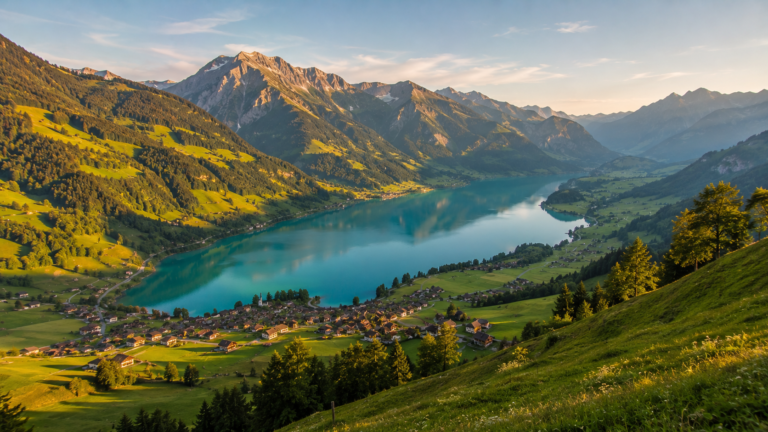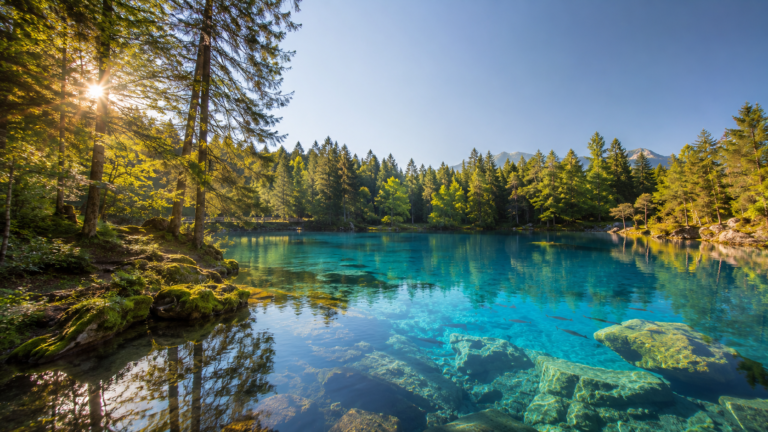
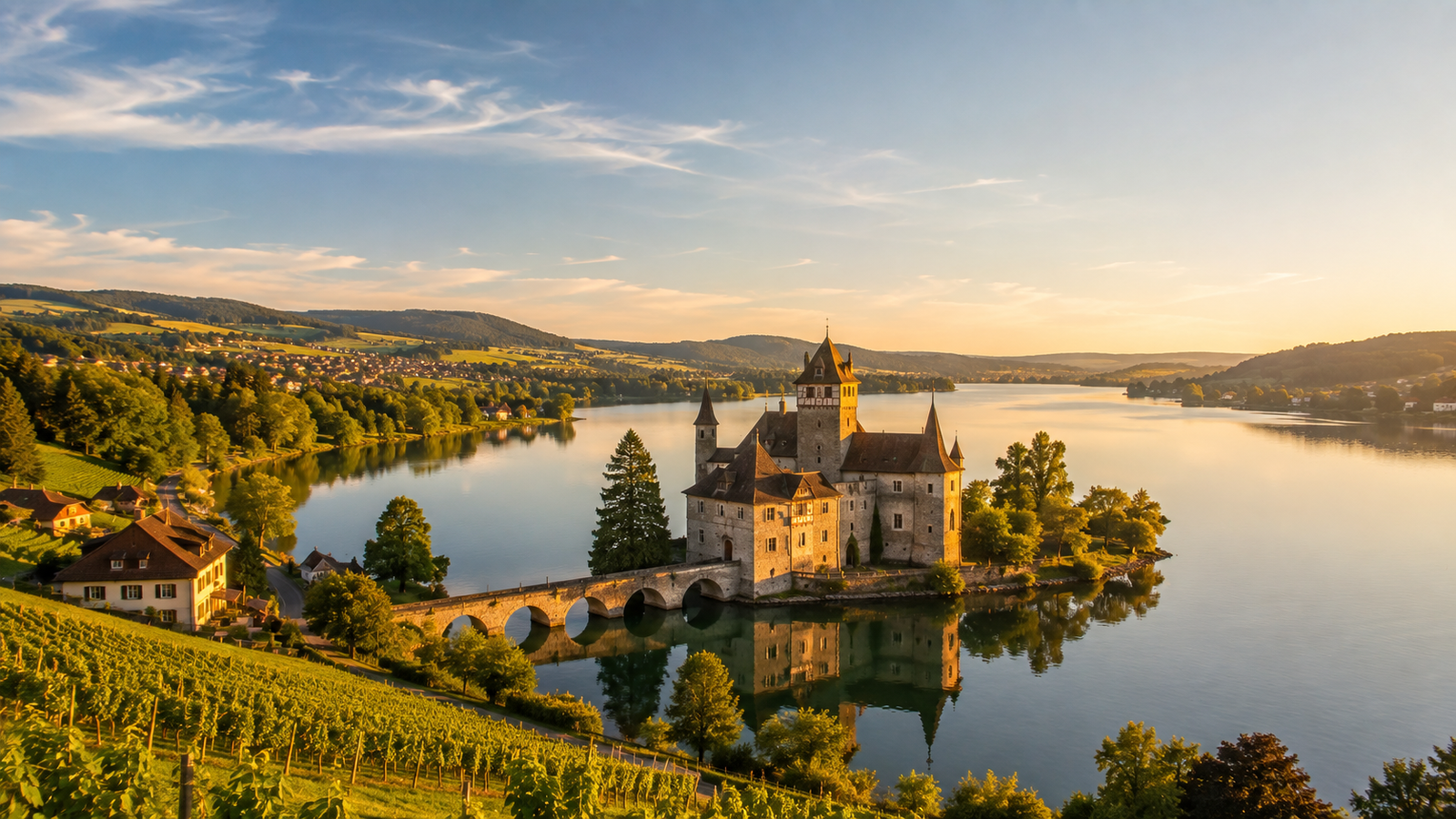
Lake Hallwil, Seengen, Switzerland
Lake Hallwil: Castles, Vineyards, and Lakeside Trails in Switzerland’s Seetal Valley
Not every Swiss lake is defined by soaring peaks and dramatic Alpine panoramas. Some tell a different story—one shaped by castles, farming villages, vineyards, and centuries of local history.
Lake Hallwil, known in German as Hallwilersee, belongs to this quieter side of Switzerland. Stretching through the Seetal Valley between the cantons of Aargau and Lucerne, the lake offers visitors an experience rooted in landscape, heritage, and everyday Swiss life rather than grand mountain spectacle.
Its calm waters, historic landmarks, and accessible network of trails have made it one of the country’s most beloved recreational lakes. Yet despite its popularity among Swiss residents, Lake Hallwil remains surprisingly overlooked by many international travelers.
For those seeking a destination that combines nature with culture, few places in northern Switzerland are more rewarding.
A Lake Created by Ancient Glaciers
The origins of Lake Hallwil trace back to the last Ice Age, when glaciers shaped much of the Swiss Plateau.
As massive ice sheets advanced and retreated across the region, they carved depressions into the landscape. When the glaciers finally melted, water filled these basins, creating a series of lakes that continue to define the geography of central Switzerland.
Lake Hallwil emerged as one of the largest bodies of water within the Seetal Valley. Unlike the steep Alpine lakes farther south, it developed within a landscape of rolling hills, fertile farmland, forests, and villages.
This setting gives the lake a distinctive character. Rather than dramatic cliffs and glaciers, visitors encounter a harmonious blend of water, countryside, and historic settlements that reflects centuries of human interaction with the land.
The Legacy of Hallwyl Castle
No feature defines Lake Hallwil more clearly than Hallwyl Castle.
Situated on small islands connected by bridges near the northern end of the lake, the castle is one of Switzerland’s most significant moated castles and among the best-preserved medieval fortifications in the country.
The castle served as the ancestral seat of the noble Hallwyl family for centuries. Over time, the complex expanded into an impressive ensemble of towers, courtyards, residential buildings, and defensive structures.
Today, Hallwyl Castle operates as a museum, offering insight into regional history, medieval life, aristocratic traditions, and the development of the surrounding landscape.
Its location beside the lake creates one of the most recognizable scenes in the region. Reflections of the historic stone buildings on the surrounding water remain among the most photographed images in the Seetal Valley.
For many visitors, the castle serves as both a cultural attraction and a gateway to exploring the lake itself.
Discovering the Seetal Valley
Lake Hallwil sits at the heart of the Seetal, a region whose name literally means “Lake Valley.”
The area is known for its gentle terrain, agricultural heritage, and picturesque villages. Orchards, vineyards, and fields surround much of the lake, creating a landscape that feels markedly different from Switzerland’s better-known mountain destinations.
This rural character contributes significantly to the lake’s appeal. Visitors can move easily between lakeside promenades, historic villages, and scenic countryside without encountering the large-scale tourism infrastructure common in more heavily visited regions.
The result is a destination that feels authentic and deeply connected to local traditions.
Exploring the Lake by Boat
One of the most enjoyable ways to experience Lake Hallwil is from the water.
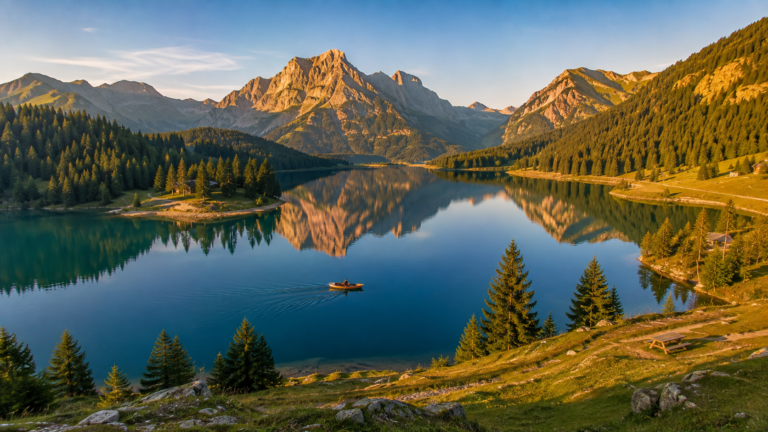
Passenger boats operate on the lake, linking several communities along the shoreline and providing visitors with panoramic views of the surrounding countryside. These cruises offer a unique perspective on the landscape, revealing how villages, forests, and farmland interact with the lake’s winding shoreline.
Unlike large alpine lakes where distances can be vast, Lake Hallwil’s relatively compact scale creates an intimate cruising experience. Passengers remain close to the scenery, allowing for continuous views of historic buildings, nature reserves, and recreational areas.
The leisurely pace of boat travel aligns perfectly with the atmosphere of the region itself.
For many travelers, combining a lake cruise with visits to Hallwyl Castle and nearby villages creates an ideal day itinerary.
Walking and Cycling Along the Shore
Lake Hallwil is particularly attractive to visitors who enjoy active exploration.
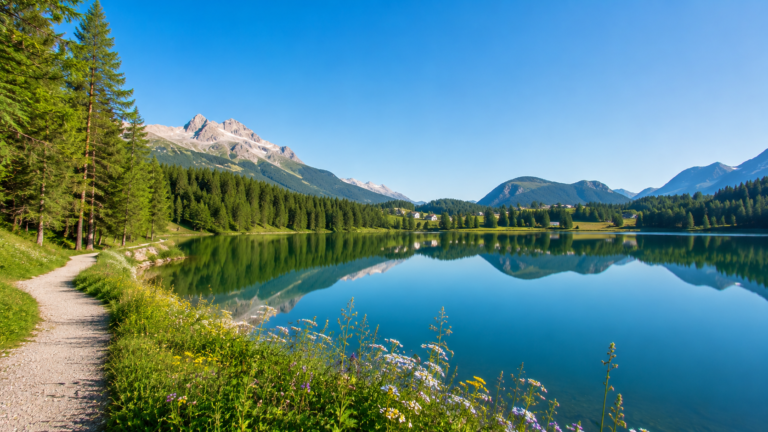
A network of walking and cycling routes follows much of the shoreline, making it possible to experience the lake from a variety of perspectives. The paths pass through forests, wetlands, lakeside parks, and charming villages while remaining accessible to a broad range of visitors.
The terrain is generally gentle, making the routes suitable for families and casual walkers. Cyclists also appreciate the region’s well-developed infrastructure and scenic roads.
The lakeside trails reveal a constantly changing landscape. One moment visitors may find themselves beside reed beds rich in birdlife; the next, they may be walking through a historic village square or overlooking vineyards stretching across nearby hillsides.
These transitions help make Lake Hallwil one of the most varied recreational destinations in northern Switzerland.
A Haven for Wildlife and Conservation
While cultural attractions often receive much of the attention, Lake Hallwil also plays an important ecological role.
Protected shoreline areas and wetland habitats support diverse plant and animal communities. Reed belts provide shelter for birds and aquatic species, while surrounding meadows contribute to the area’s biodiversity.
The lake serves as an important habitat for waterfowl and other wildlife, making it a rewarding destination for nature enthusiasts and birdwatchers.
Conservation initiatives have helped preserve sections of the shoreline from excessive development. As a result, visitors can still experience stretches of landscape that closely resemble the natural environment that existed before modern expansion transformed much of the Swiss Plateau.
This balance between recreation and environmental stewardship remains one of the lake’s defining strengths.
Villages That Reflect Regional Identity
The communities surrounding Lake Hallwil contribute significantly to its character.
Villages such as Seengen, Meisterschwanden, Beinwil am See, and Birrwil retain strong connections to regional traditions while serving as welcoming destinations for visitors.
Historic churches, traditional Swiss architecture, local restaurants, and community events help preserve the cultural identity of the Seetal region. Unlike internationally famous resort towns, these settlements continue to function primarily as living communities rather than tourism centers.
Visitors therefore gain a more authentic understanding of everyday Swiss life, experiencing the lake as residents have for generations.
The Changing Rhythm of the Seasons
Lake Hallwil offers distinct experiences throughout the year.
Spring brings flowering orchards, fresh greenery, and renewed activity along lakeside trails. The surrounding countryside becomes particularly colorful as vegetation returns after winter.
Summer is the busiest season, attracting swimmers, boaters, cyclists, and families seeking outdoor recreation. The warm months also provide ideal conditions for lake cruises and extended walks.
Autumn transforms the landscape with golden foliage and vineyard colors. Cooler temperatures and reduced visitor numbers create a peaceful atmosphere that many locals consider the best time to explore the region.
Winter introduces a quieter mood. Misty mornings, bare trees, and reflective water give the lake a contemplative beauty often overlooked by casual visitors.
Each season reveals a different side of the Seetal Valley and deepens appreciation for the lake’s enduring appeal.
Why Lake Hallwil Remains One of Switzerland’s Most Rewarding Lakes
Lake Hallwil succeeds not through grandeur but through balance.
Its appeal comes from the seamless integration of history, nature, recreation, and local culture. Visitors can tour a medieval castle in the morning, enjoy a boat cruise at midday, walk through nature reserves in the afternoon, and end the day in a traditional lakeside village.
This diversity makes the destination particularly appealing for travelers seeking a broader understanding of Switzerland beyond its Alpine icons.
In a country celebrated for mountains, Lake Hallwil demonstrates the beauty of the Swiss Plateau. Its calm waters, historic landmarks, and welcoming landscapes create an experience that feels both timeless and deeply connected to the region’s heritage.