Swiss Tectonic Arena Sardona, Glarus, Switzerland
Swiss Tectonic Arena Sardona: The Alpine Landscape That Changed Earth Science
Some of Switzerland’s most famous destinations captivate visitors with lakes, villages, or mountain peaks. The Swiss Tectonic Arena Sardona offers something entirely different. Here, the attraction is not simply the scenery—although the scenery is extraordinary—but the story written into the mountains themselves.
Spread across parts of the cantons of Glarus, Graubünden, and St. Gallen, this UNESCO World Heritage Site preserves one of the world’s most important geological landscapes. It is a place where visitors can observe evidence of the immense forces that shaped the Alps and transformed scientific understanding of mountain formation.
For travelers who enjoy nature, hiking, photography, and discovering the deeper history of the Earth, the Swiss Tectonic Arena Sardona delivers an experience unlike anywhere else in Switzerland.
The Mountain Range That Solved a Geological Mystery
The significance of the Swiss Tectonic Arena Sardona is rooted in a remarkable geological phenomenon known as the Glarus Overthrust.
At first glance, the mountains appear similar to many other Alpine landscapes. However, scientists studying the rock layers noticed something that seemed impossible. Older rocks were resting on top of significantly younger rock formations.
For decades, geologists struggled to explain how this arrangement could exist. Eventually, research demonstrated that enormous tectonic forces had pushed massive sections of ancient rock over younger layers during the formation of the Alps.
The visible boundary between these rock layers remains one of the clearest examples of mountain-building processes found anywhere on Earth.
Because of its scientific importance, the area became a key reference point for understanding plate tectonics and the geological evolution of mountain ranges worldwide.
Why UNESCO Recognized Sardona
The Swiss Tectonic Arena Sardona was inscribed on the UNESCO World Heritage List in 2008.
UNESCO recognized the site because it provides exceptional evidence of tectonic processes that shaped major mountain systems. Few places allow scientists and visitors to observe these geological structures so clearly in the landscape.
Unlike heritage sites focused on architecture or archaeology, Sardona’s value lies in its contribution to scientific knowledge. The mountains function almost like an open-air textbook, allowing visitors to see geological processes that normally remain hidden beneath the Earth’s surface.
The designation also reflects the site’s importance for education, research, and conservation.
Reading Earth’s History in the Rocks
One of the most fascinating aspects of Sardona is the way geological history becomes visible to the naked eye.
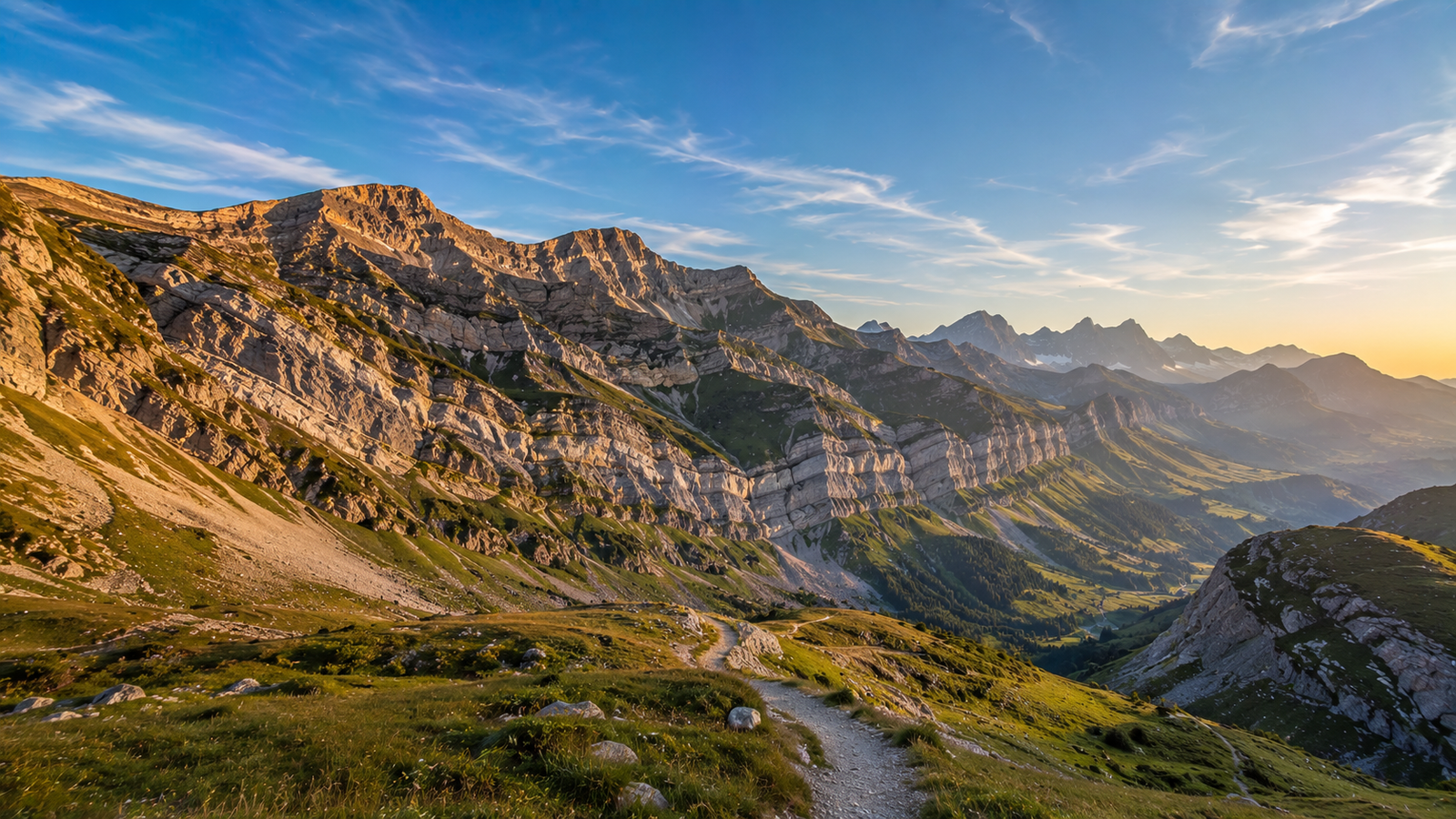
The most famous feature is known as the “magic line,” the distinct boundary marking the Glarus Overthrust. In several locations throughout the region, visitors can clearly identify the contrast between older and younger rock layers.
These formations represent events that occurred over immense geological timescales. The rocks preserve evidence of ancient oceans, sediment accumulation, continental collisions, and mountain-building processes that unfolded long before humans existed.
For scientists, the area remains an important research destination. For travelers, it offers a rare opportunity to witness geological history directly in the landscape.
A Landscape of Peaks, Valleys, and Alpine Wilderness
Scientific significance alone would not make Sardona such a compelling destination. The region is also exceptionally beautiful.
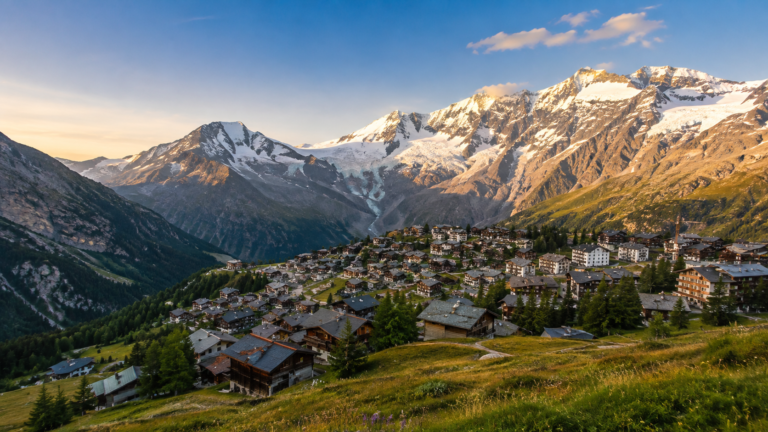
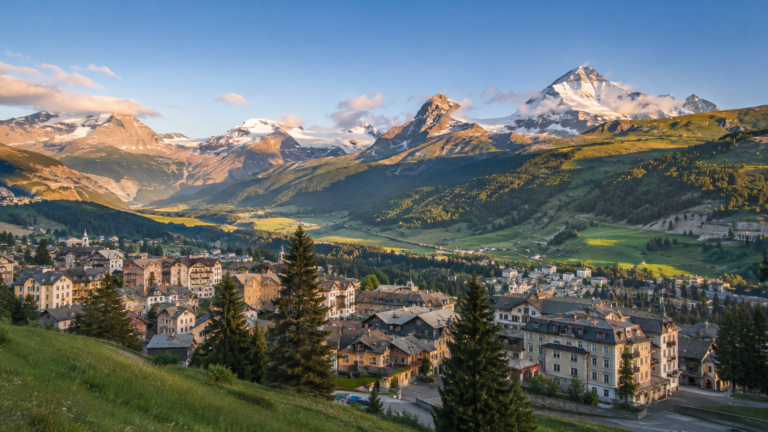
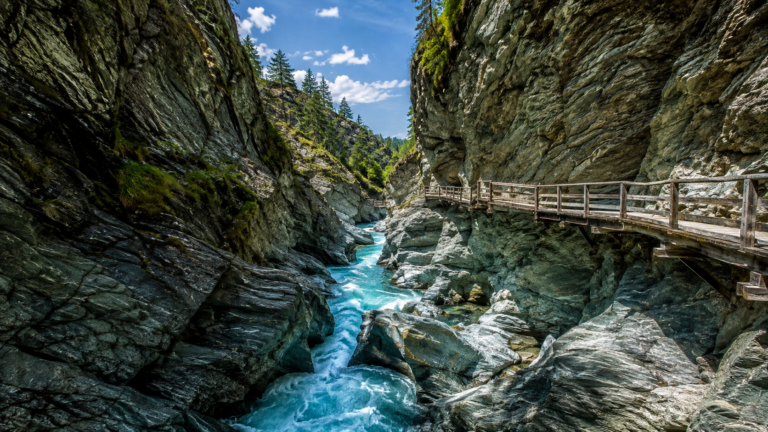
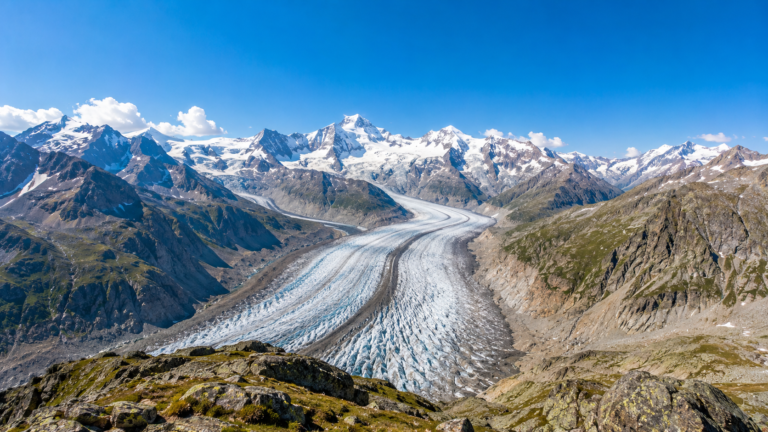
The UNESCO site encompasses dramatic Alpine terrain characterized by rugged mountain ridges, deep valleys, alpine meadows, waterfalls, and high-altitude lakes. Towering peaks dominate the skyline, while broad open landscapes create a sense of scale that is both impressive and humbling.
Because large portions of the area remain relatively undeveloped, visitors often experience a feeling of wilderness that is increasingly rare in Europe.
The scenery changes dramatically throughout the seasons. Summer reveals green meadows and accessible hiking routes, while winter transforms the landscape into a world of snow-covered peaks and frozen alpine environments.
Hiking Through a Living Geological Classroom
Hiking is the most popular way to experience the Swiss Tectonic Arena Sardona.
Numerous trails cross the UNESCO area, allowing visitors to explore both its geological features and natural beauty. Routes vary from relatively accessible walks to demanding mountain hikes suitable for experienced trekkers.
Interpretive panels and educational materials available in various parts of the region help explain the geological significance of the landscape. Visitors who may have little background in earth science often discover that the mountains become far more fascinating once they understand the story behind the rock formations.
Rather than viewing the landscape simply as scenery, hikers begin to recognize evidence of the forces that created it.
The result is an outdoor experience that combines recreation with learning in a uniquely engaging way.
Wildlife and Alpine Ecosystems
While geology is the primary attraction, the region also supports diverse Alpine ecosystems.
Mountain forests, high meadows, rocky slopes, and wetland environments provide habitats for a variety of plant and animal species adapted to life in the Alps.
Seasonal wildflowers add color to the landscape during warmer months, while birds and mountain wildlife contribute to the area’s ecological richness.
Conservation efforts throughout the UNESCO region aim to protect both geological heritage and natural biodiversity, ensuring that future generations can continue to experience these landscapes in their original character.
Photography and Scenic Viewpoints
The Swiss Tectonic Arena Sardona offers outstanding opportunities for landscape photography.
Dramatic mountain faces, sweeping valleys, distinctive rock formations, and changing weather conditions create constantly evolving scenes. Early morning and late afternoon light often reveal textures and geological layers that are less visible during midday.
Photographers are particularly drawn to locations where the Glarus Overthrust can be observed against the backdrop of the surrounding Alpine scenery.
The combination of scientific significance and visual beauty makes the region especially rewarding for those seeking images that tell a deeper story about the landscape.
Exploring Beyond the Science
Although geology defines Sardona’s global importance, visitors quickly discover that the region offers much more than scientific interest.
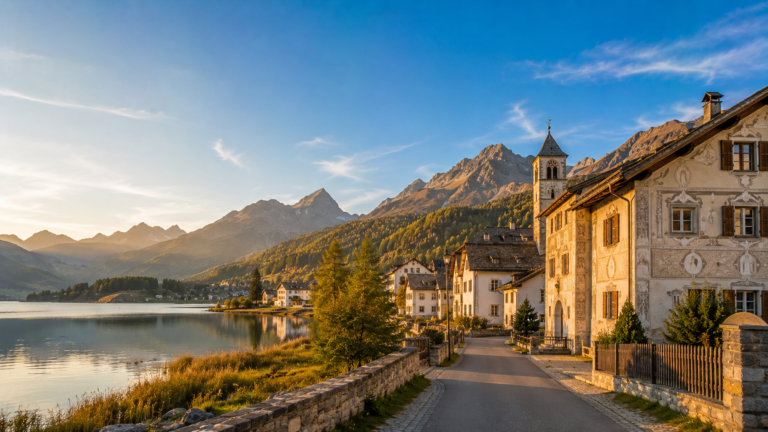
Traditional Alpine culture remains visible in mountain villages surrounding the UNESCO area. Seasonal farming traditions, local architecture, and historic routes contribute to the character of the broader landscape.
Many travelers combine geological exploration with hiking, photography, nature observation, and visits to nearby Alpine communities.
This blend of science, culture, and outdoor adventure broadens the appeal of the destination far beyond academic audiences.
Where Mountains Reveal Their Secrets
Most mountain landscapes inspire admiration through their beauty alone. The Swiss Tectonic Arena Sardona adds another dimension by revealing the extraordinary forces responsible for creating that beauty.
Every cliff face, ridge, and exposed rock layer contributes to a story that spans hundreds of millions of years. The mountains become more than scenery; they become evidence of the dynamic processes that continue to shape the planet.
Standing among the peaks of Sardona, visitors gain a rare perspective on both the immense power of nature and the scientific discoveries that helped humanity understand it. It is one of the few places in the world where a walk through the mountains can also become a journey through Earth’s geological history.