Val Trupchun, S-chanf, Switzerland
Val Trupchun: Exploring the Wildlife Heart of Switzerland’s National Park
There are few places in Switzerland where nature still dominates the landscape with such authority as Val Trupchun. Hidden within the Swiss National Park in the canton of Graubünden, this broad alpine valley has earned an international reputation as one of the finest wildlife observation areas in the Alps. For travelers willing to venture beyond Switzerland’s famous lakes and mountain resorts, Val Trupchun offers something increasingly rare in modern Europe: a landscape where ecosystems function largely without human interference.
The valley lies in the southeastern corner of Switzerland near the Engadin region, accessible from the village of S-chanf. As visitors enter the protected wilderness, the atmosphere changes noticeably. Roads disappear, infrastructure fades into the background, and the rhythms of nature take over. The result is an experience that feels remarkably untamed despite being located in one of Europe’s most accessible countries.
A Valley Shaped by Protection
Val Trupchun sits within the Swiss National Park, established in 1914 as the first national park in the Alps. The park was created with a simple but ambitious goal: allow nature to evolve without direct human management. Hunting, forestry, grazing, and resource extraction were halted, creating an environment where wildlife populations could recover and natural processes could unfold over generations.
This philosophy remains visible throughout Val Trupchun. Forests grow and decay naturally. Fallen trees are left where they lie. Wildlife moves freely across the landscape without the pressures common in many alpine regions. The valley has become one of the most important examples of wilderness conservation in Switzerland.
The protected environment has allowed a remarkable diversity of species to thrive. Combined with favorable geological conditions and nutrient-rich alpine meadows, the valley provides an ideal habitat for large mammals and numerous bird species.
Why Val Trupchun Is Called the “Serengeti of the Alps”
Among wildlife enthusiasts, Val Trupchun is often referred to as the “Serengeti of the Alps.” The comparison may sound ambitious, but it becomes understandable after spending time in the valley.
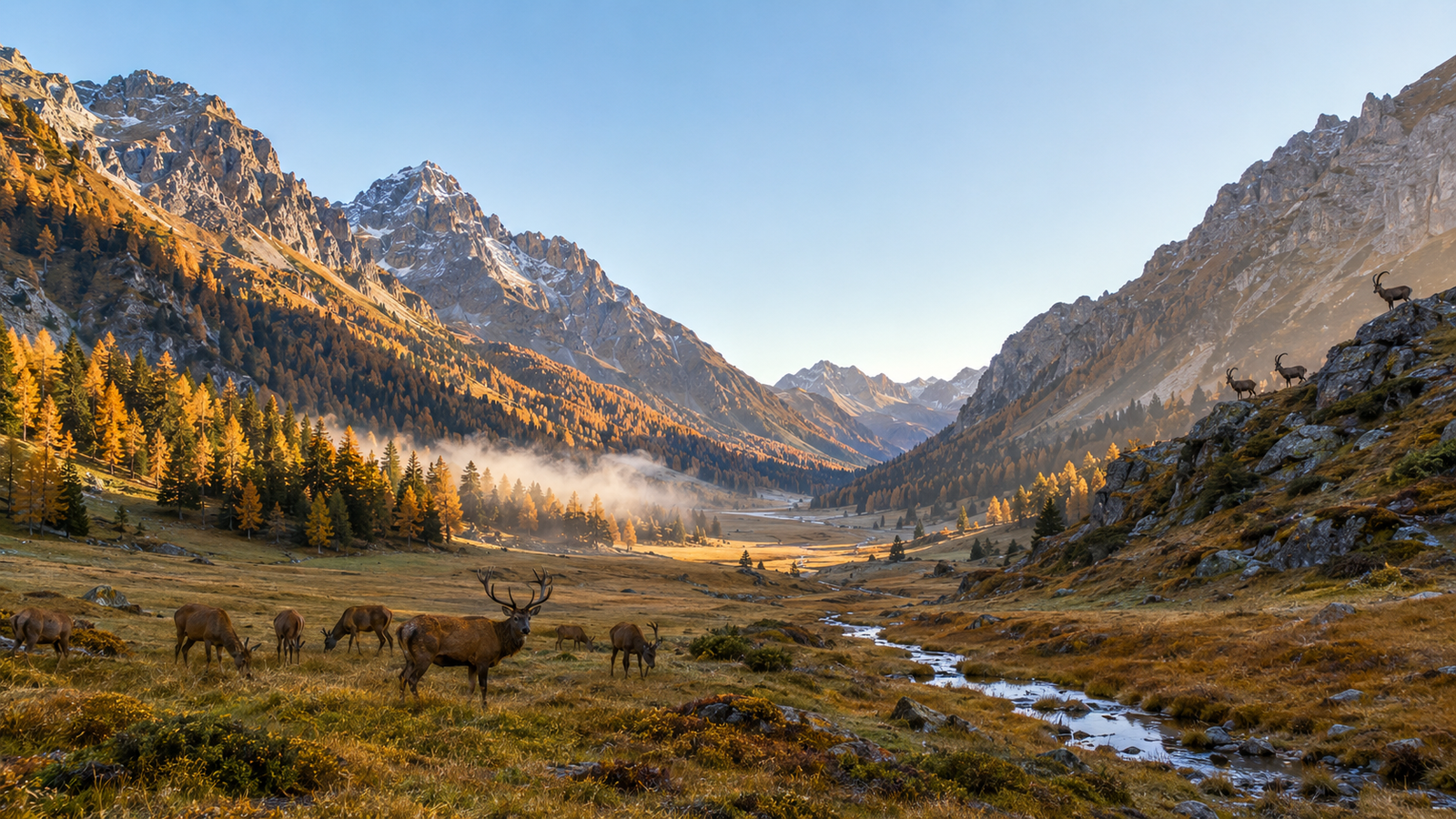
Large populations of red deer roam the meadows and forest edges, especially during the warmer months. Alpine ibex navigate the rocky slopes above the valley floor, while chamois move effortlessly across steep mountain terrain. Marmots are frequently seen near open grasslands, often providing the first wildlife encounters for hikers entering the park.
The valley is particularly famous for its red deer population. From late summer into early autumn, the annual rutting season transforms Val Trupchun into one of Switzerland’s most remarkable wildlife spectacles. Powerful stags compete for territory and mates, filling the valley with their unmistakable calls that echo between the surrounding peaks.
Birdwatchers also have reason to keep their binoculars ready. Golden eagles regularly patrol the skies above the valley, and lucky visitors may spot the majestic bearded vulture, one of the Alps’ most celebrated conservation success stories.
Hiking Through a Living Wilderness
Unlike many Swiss destinations where cable cars dominate the visitor experience, Val Trupchun rewards those who explore on foot.
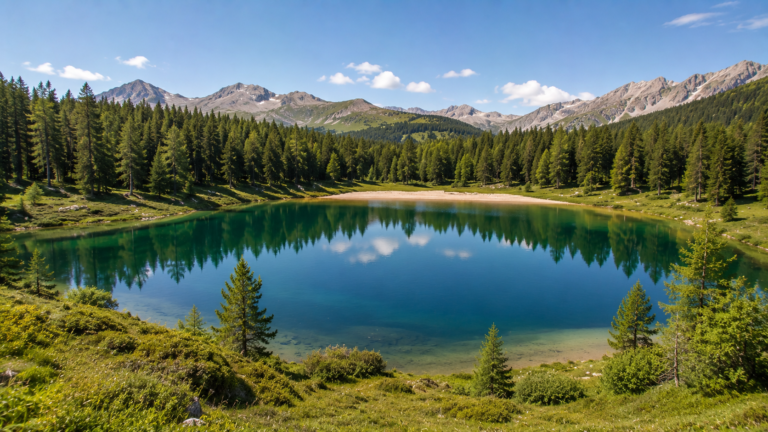
The most popular route begins near S-chanf and follows well-marked trails into the heart of the valley. The journey passes through mixed alpine forests of larch, pine, and spruce before opening onto expansive meadows surrounded by rugged mountain ridges.
One of the route’s defining characteristics is its accessibility. While the hike requires a reasonable level of fitness, the terrain is generally moderate compared with many high-alpine excursions. This makes Val Trupchun attractive not only to experienced hikers but also to families and nature enthusiasts interested in wildlife observation.
Along the trail, designated resting areas offer opportunities to pause and scan the landscape. These viewpoints are strategically positioned in locations where wildlife sightings are particularly common. Early morning and late afternoon often provide the best opportunities, when animals are most active and alpine light enhances the scenery.
Geology Beneath the Wildlife
Val Trupchun’s natural richness is closely connected to its geological foundations.
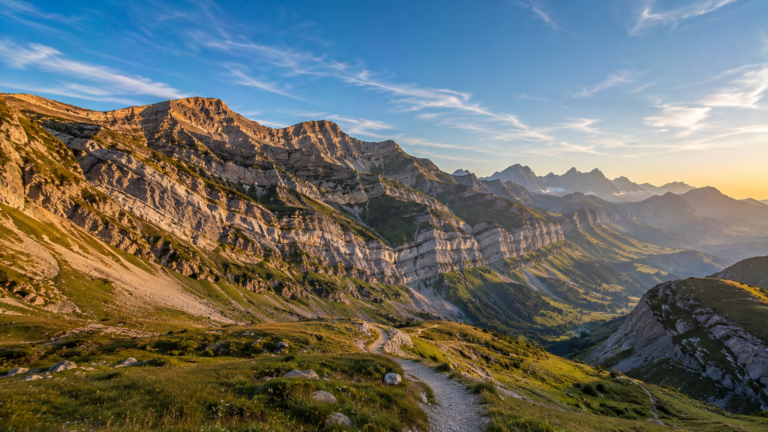
The valley contains distinctive rock formations that tell a story stretching back millions of years. Layers of limestone and other sedimentary rocks reveal the ancient marine environments that existed long before the Alps emerged. Visitors with an interest in geology can observe impressive folded rock structures that illustrate the immense forces responsible for creating Europe’s greatest mountain range.
These geological features do more than provide visual interest. The nutrient-rich soils produced by weathering rock support lush alpine vegetation, which in turn sustains the valley’s abundant wildlife populations.
In many ways, the geology of Val Trupchun forms the invisible foundation of the entire ecosystem.
The Changing Seasons of Val Trupchun
Each season brings a different character to the valley.
Spring marks the return of activity after winter. Snow retreats from lower elevations, alpine plants begin to emerge, and wildlife becomes increasingly visible throughout the landscape.
Summer offers the most accessible hiking conditions. Meadows are filled with wildflowers, streams run clear from mountain snowmelt, and long daylight hours create excellent opportunities for exploration. Wildlife viewing remains exceptional throughout the season.
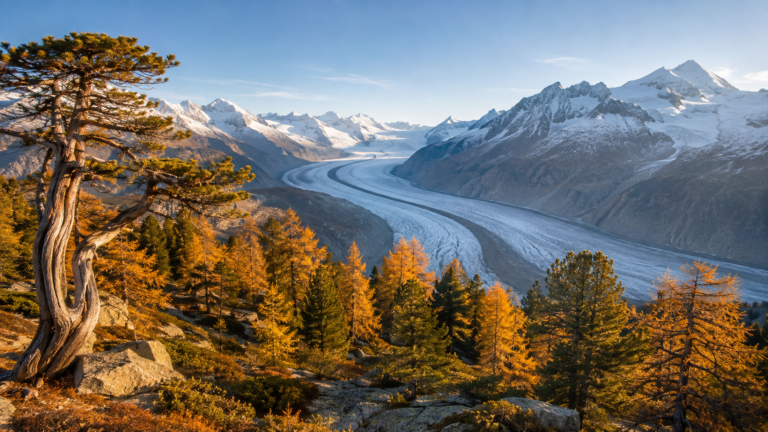
Autumn is widely regarded as the most dramatic time to visit. The forests take on golden tones, temperatures become cooler, and the red deer rut reaches its peak. The combination of autumn colors, wildlife activity, and crisp mountain air creates one of Switzerland’s most memorable nature experiences.
Winter access is heavily restricted within the national park to protect wildlife during the most sensitive period of the year, reflecting the park’s longstanding commitment to conservation.
Experiencing Silence in the Alps
One of Val Trupchun’s greatest attractions is not a landmark, viewpoint, or activity. It is silence.
Modern travelers often associate Switzerland with busy resorts, panoramic railways, and famous alpine destinations. Val Trupchun offers a different perspective. Here, the dominant sounds are flowing water, distant marmot whistles, rustling forests, and the occasional call of a stag.
This sense of tranquility is a direct result of the strict conservation policies that govern the Swiss National Park. Visitors remain on designated trails, wildlife is left undisturbed, and the landscape continues to function according to natural rhythms.
The experience encourages a slower form of travel—one focused on observation rather than consumption.
Planning a Visit
Most visitors reach Val Trupchun through S-chanf in the Upper Engadin. Public transportation connections from major Engadin communities make the valley accessible without a car, and the Swiss National Park provides information about hiking routes, visitor guidelines, and seasonal conditions.
Because wildlife observation is one of the valley’s primary attractions, binoculars are highly recommended. Visitors should also remember that the national park operates under strict environmental regulations designed to preserve the ecosystem.
For travelers seeking Switzerland’s wild side, Val Trupchun represents one of the country’s most rewarding destinations. It is a place where alpine landscapes, geological history, and thriving wildlife come together in a protected environment that feels increasingly rare in the modern world. Whether the goal is spotting an ibex on a distant ridge, hearing the roar of red deer in autumn, or simply experiencing one of Europe’s most carefully preserved wilderness areas, Val Trupchun delivers an encounter with nature that lingers long after the hike has ended.