Parsenn, Davos Klosters, Graubünden, Switzerland
Parsenn: The Legendary Mountain That Helped Shape Alpine Skiing
In the world of Alpine tourism, few mountain destinations carry as much historical significance as Parsenn. Stretching across the high mountains between Davos and Klosters in eastern Switzerland, Parsenn is widely regarded as one of the birthplaces of modern downhill skiing. Today, it remains one of the country’s most celebrated mountain playgrounds, attracting visitors with panoramic landscapes, extensive ski terrain, scenic hiking routes, and a mountain railway that helped transform winter sports forever.
Unlike a single mountain peak, Parsenn is a broad mountain region centered around Weissfluhjoch and Weissfluhgipfel, high above the valleys of Davos and Klosters. Situated in the canton of Graubünden, the area forms part of the dramatic Alpine landscape that has made the region famous among outdoor enthusiasts. Visitors arriving at higher elevations are rewarded with sweeping views across the Landwasser Valley, neighboring mountain ranges, and some of the most impressive scenery in southeastern Switzerland.
The story of Parsenn is deeply intertwined with the origins of skiing in Switzerland. During the late nineteenth century, pioneering skiers began exploring the mountains around Davos. A particularly influential moment occurred when four English visitors traveling through the mountains became disoriented during a ski excursion and descended toward Küblis. That route eventually evolved into the famous Parsenn descent, helping establish the area as a landmark in the development of Alpine skiing. Over time, Parsenn became known as the cradle of downhill skiing in Switzerland and hosted some of the earliest downhill ski competitions in the country.
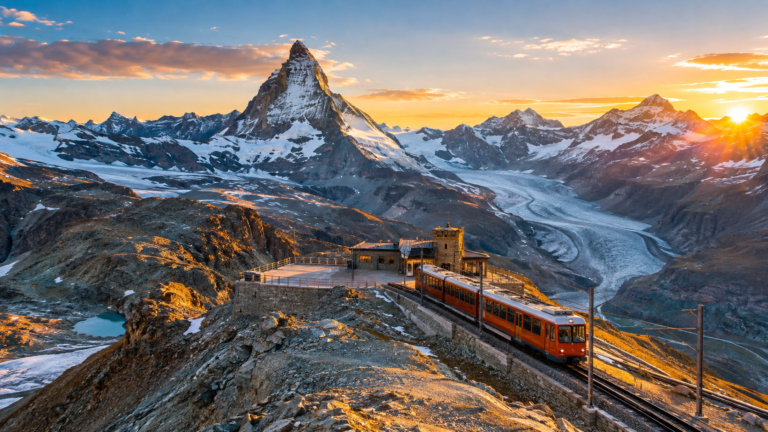
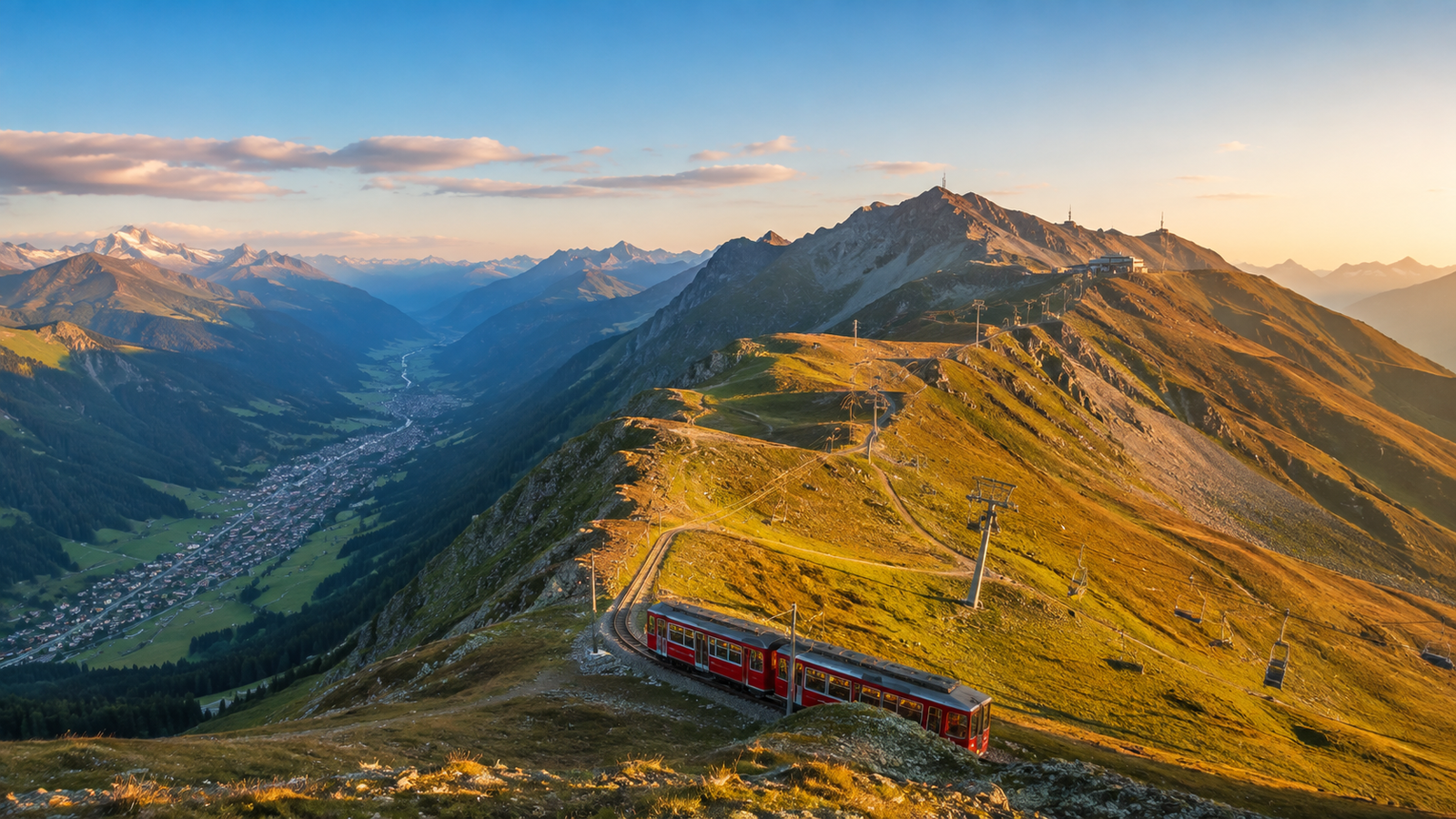
A major turning point came with the construction of the Parsennbahn in 1931. Unlike earlier mountain railways that primarily served sightseeing destinations or hotels, the Parsennbahn was specifically designed to transport skiers into the mountains. Its success contributed significantly to the growth of winter tourism in Davos and helped establish skiing as a sport accessible to a much broader audience. The railway remains one of the defining symbols of the region and continues to connect visitors with the high Alpine terrain above the valley.
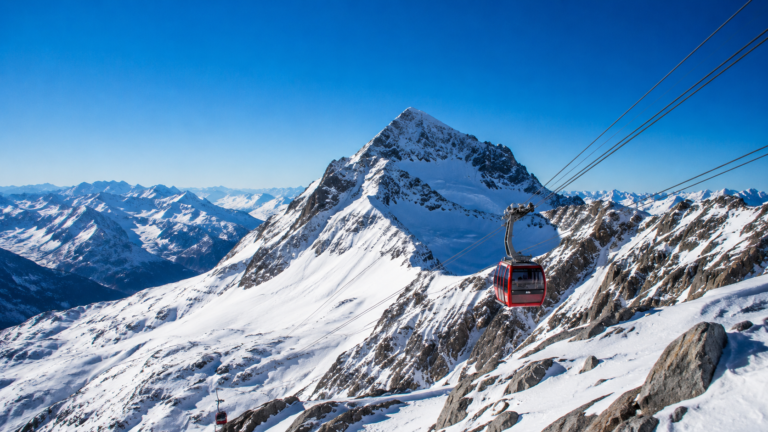
One of the most remarkable aspects of Parsenn is its scale. The mountain area extends between Davos and Klosters, allowing visitors to access different sections from either side of the valley. From Davos, travelers typically use the historic Parsennbahn funicular and connecting lifts, while visitors from Klosters can reach the area via the Gotschna cable car system. This dual access creates a uniquely expansive mountain experience and makes Parsenn one of the most versatile destinations in the Davos Klosters region.
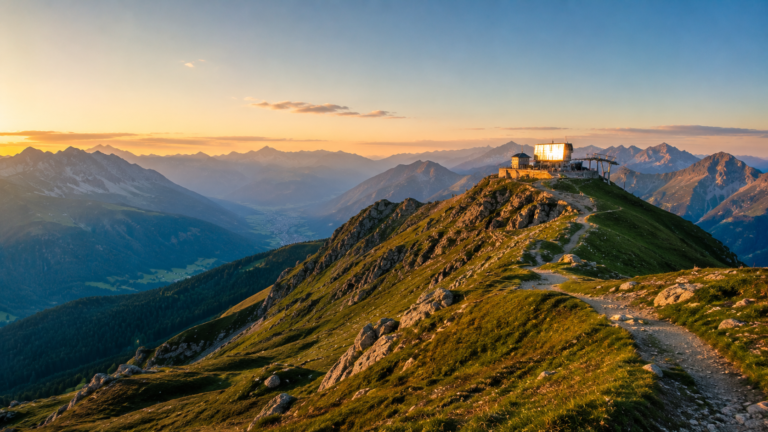
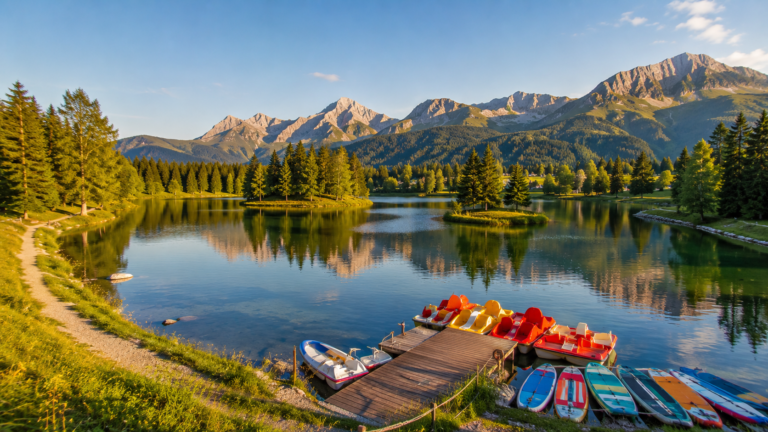
Although Parsenn is internationally known for winter sports, the mountain transforms dramatically during the warmer months. Summer reveals a vast landscape of ridgelines, rocky summits, alpine meadows, and high-mountain trails. Hikers can explore routes leading toward Weissfluhjoch, Weissfluhgipfel, Schiahorn, and other prominent viewpoints. The scenery changes constantly along these paths, with mountain lakes, distant peaks, and sweeping valley panoramas creating memorable experiences at every turn.
One of the defining characteristics of hiking on Parsenn is the elevation. Much of the trail network lies above the tree line, providing unobstructed views across the surrounding Alps. The famous Höhenweg route is particularly popular, offering dramatic ridge walking and panoramic vistas that showcase the grandeur of Graubünden’s mountain landscape. Trail runners are equally attracted to the area, using the high-altitude routes for endurance training and scenic mountain adventures.
Mountain biking has also become an important part of the Parsenn experience. Riders can use the lift infrastructure to access higher terrain before descending through a network of Alpine trails. The combination of elevation, varied terrain, and breathtaking scenery has made the region a favorite among cyclists seeking challenging rides and long mountain descents. The mountain railways also support bike transport during the summer season, making access convenient for visitors.
Winter remains the season most closely associated with Parsenn. The area is the largest ski region within Davos Klosters and is renowned for its wide slopes, long descents, and classic Alpine atmosphere. Skiers often describe the terrain as ideal for carving, thanks to the broad pistes that sweep down the mountain. One of the area’s most famous experiences is the long descent connecting high-altitude terrain with the valley below, a run that has become part of skiing folklore in Switzerland.
The summit area around Weissfluhgipfel offers some of the most impressive viewpoints in the region. Standing at nearly 2,850 meters above sea level, the summit provides a sweeping panorama of mountain chains extending across Graubünden. On clear days, visitors can appreciate the immense scale of the Alps while observing the valleys and villages that lie far below. Whether covered in snow or illuminated by summer sunshine, the views remain one of Parsenn’s greatest attractions.
Beyond outdoor activities, Parsenn reflects the culture and heritage of mountain life in Graubünden. Traditional mountain restaurants and huts provide opportunities to enjoy regional cuisine while surrounded by Alpine scenery. These establishments continue a long tradition of hospitality that has supported generations of travelers exploring the mountains above Davos and Klosters. The combination of natural beauty and cultural character contributes significantly to the area’s enduring popularity.
The best time to visit depends on personal interests. Summer is ideal for hiking, trail running, mountain biking, and sightseeing. Clear weather often reveals expansive mountain panoramas and comfortable conditions for outdoor exploration. Winter attracts skiers, snowboarders, and visitors seeking classic Swiss Alpine experiences. Each season offers a distinct perspective on the mountain, ensuring that Parsenn remains attractive throughout the year.
Access to Parsenn is straightforward from both Davos and Klosters. Rail connections link the region to major Swiss cities, while local transportation provides easy access to valley stations. Once on the mountain, an extensive network of lifts and mountain railways allows visitors to reach high elevations efficiently and comfortably.
Visitors should be prepared for rapidly changing mountain weather, especially at higher elevations. Layered clothing, suitable footwear, sun protection, and awareness of local forecasts are recommended regardless of season. Those planning longer hikes should carry sufficient water and allow extra time for changing conditions in the high Alps.
What sets Parsenn apart is not merely its scenery or sporting opportunities, but its place in Alpine history. Few mountain destinations can claim such a profound influence on the development of skiing while continuing to offer world-class recreation more than a century later. From historic ski routes and iconic mountain railways to panoramic summits and extensive summer trails, Parsenn remains one of Switzerland’s most authentic and enduring Alpine destinations.