Piz Bernina, Pontresina, Switzerland
Piz Bernina: The Eastern Alps’ Majestic Four-Thousand-Meter Giant
In the southeastern corner of Switzerland, where glaciers spill from rugged summits and mountain railways traverse dramatic landscapes, Piz Bernina rises above all surrounding peaks. As the highest mountain in the Eastern Alps and the tallest summit in the Bernina Range, it occupies a unique place in the geography of Europe. Towering over the Engadin Valley and visible from many parts of Graubünden, Piz Bernina represents one of Switzerland’s most impressive natural landmarks.
Unlike some of the country’s more frequently photographed mountains, Piz Bernina retains a sense of remoteness and Alpine wilderness. Its snow-covered ridges, glacier-clad slopes, and commanding summit create a landscape that appeals equally to mountaineers, photographers, and travelers seeking authentic mountain scenery. For visitors exploring the Engadin region, the mountain serves as both a visual centerpiece and a symbol of the untamed beauty of the Swiss Alps.
The Highest Peak of the Eastern Alps
Piz Bernina reaches 4,049 meters above sea level, making it the only four-thousand-meter peak in the Eastern Alps. This distinction sets it apart from surrounding mountains and has contributed to its reputation among climbers and mountain enthusiasts throughout the world.
The mountain forms part of the Bernina Range, a spectacular chain of peaks located along the border between Switzerland and Italy. Its dominant position above neighboring summits makes it visible from considerable distances and allows it to define the skyline of the Upper Engadin.
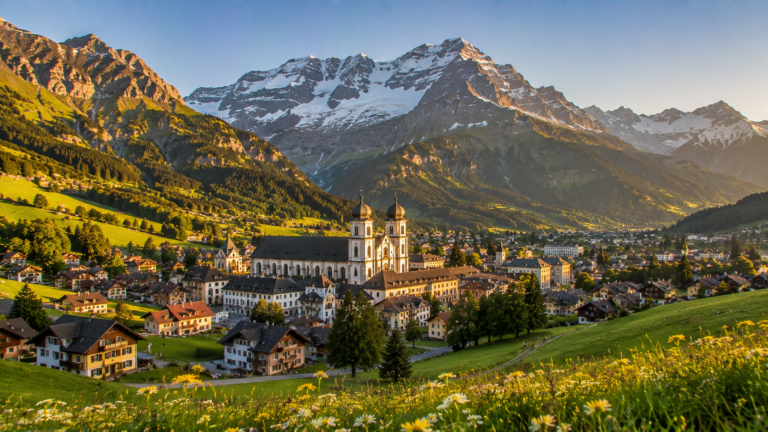
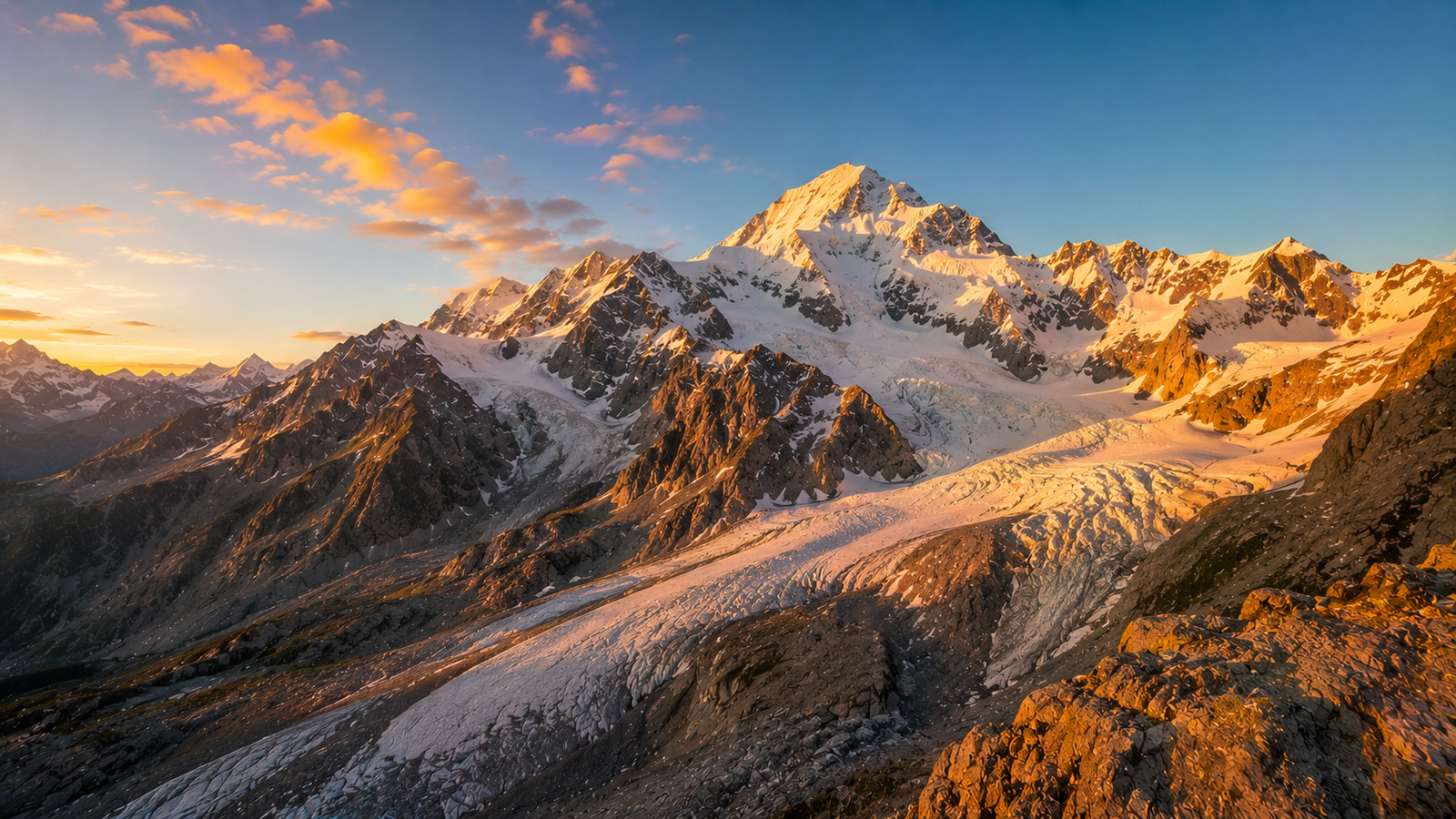
From valleys below, Piz Bernina appears as a massive pyramid of rock, snow, and ice. Its elegant shape and prominent location have made it one of the most admired mountains in Graubünden.
A Legacy of Alpine Exploration
The history of Piz Bernina is closely linked to the development of mountaineering in the Alps.
During the nineteenth century, explorers and climbers increasingly ventured into Switzerland’s high mountain regions in search of new routes and unexplored summits. The Bernina Range quickly attracted attention due to its challenging terrain and dramatic scenery.
Early ascents of Piz Bernina helped establish the mountain as one of the great climbing objectives of the Alps. Its combination of altitude, glaciers, and exposed ridges required significant skill and preparation, earning respect among generations of mountaineers.
The mountain remains an important part of Alpine climbing history and continues to inspire those drawn to high-altitude adventure.
Geography of Ice and Stone
Piz Bernina stands within one of Switzerland’s most impressive glacial environments.
Large glaciers surround the mountain, creating a landscape shaped by ice over thousands of years. These glaciers have carved valleys, sharpened ridges, and contributed to the dramatic appearance of the Bernina Range.
The mountain rises above a network of snowfields and glacial basins that remain among the most visually striking features of the region. The contrast between bright ice formations and dark granite rock creates an unmistakable Alpine character.
This remarkable geography has helped make the area a focus for scientific observation, outdoor recreation, and nature tourism.
The Bernina Range and Its Famous Neighbors
While Piz Bernina dominates the region, it is surrounded by a collection of spectacular peaks that contribute to one of Switzerland’s most impressive mountain landscapes.
Sharp ridgelines connect neighboring summits, creating dramatic silhouettes visible from across the Engadin. Together, these mountains form a high-altitude world of glaciers, snowfields, and rugged rock formations.
The scenery becomes especially memorable when viewed from elevated locations around Pontresina and the Bernina Pass, where visitors can appreciate the scale and complexity of the range.
The mountain’s commanding position ensures that it remains the focal point of almost every panorama in the area.
A Mountain Seen from the Bernina Railway
One of the most accessible ways to experience Piz Bernina is through the renowned Bernina Railway.
This remarkable railway journey passes through landscapes of glaciers, mountain lakes, forests, and high-altitude terrain. As trains climb toward the Bernina Pass, travelers are treated to some of the finest views of the mountain.
The railway’s route through the heart of the Bernina region provides perspectives that reveal both the grandeur of Piz Bernina and the beauty of its surrounding environment.
For many visitors, these views become one of the highlights of a trip to Graubünden.
Visitor Experiences Beyond Climbing
Although the summit itself is primarily the domain of experienced mountaineers, there are many ways for ordinary travelers to enjoy Piz Bernina.
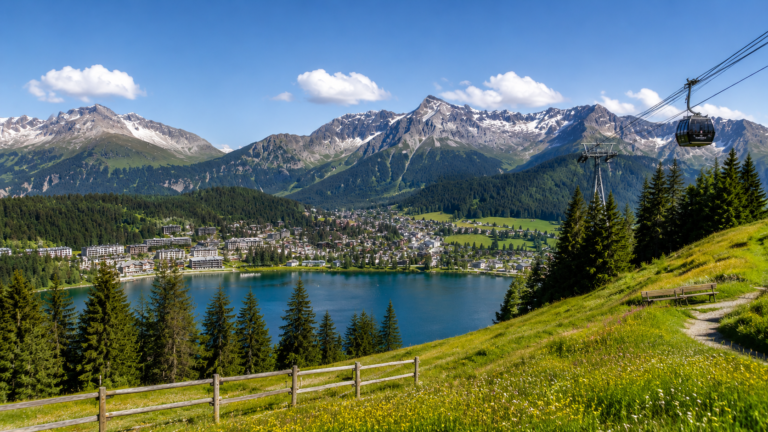
The nearby villages of Pontresina, St. Moritz, and surrounding Engadin communities offer excellent viewpoints and access to hiking trails. Visitors can explore mountain paths, scenic overlooks, and glacier viewpoints that reveal different aspects of the mountain throughout the day.
Photographers are particularly drawn to the area because changing light conditions continually transform the appearance of the peak. Early morning and evening often produce especially dramatic scenes as sunlight illuminates snow-covered ridges and glacier surfaces.
These opportunities make Piz Bernina accessible even to those with no climbing experience.
Hiking and Glacier Landscapes
The Bernina region offers some of Switzerland’s most rewarding hiking environments.
Trails lead through alpine meadows, alongside mountain streams, and toward glacier viewpoints where visitors can appreciate the scale of the surrounding landscape. As elevation increases, the scenery becomes increasingly dramatic, revealing expansive views of snow-covered peaks and ice fields.
The combination of accessible hiking routes and spectacular scenery allows travelers to experience the atmosphere of a major Alpine mountain without needing technical mountaineering skills.
Many visitors find these walks among the most memorable experiences in the Engadin.
Seasonal Character of the Mountain
Piz Bernina remains visually impressive throughout the year.
Summer brings green valleys, wildflower-covered meadows, and favorable hiking conditions. Snow and ice remain prominent at higher elevations, creating dramatic contrasts within the landscape.
Autumn often provides exceptional visibility. Clear air and stable weather conditions allow visitors to enjoy sweeping views across the Bernina Range and surrounding valleys.
Winter transforms the region into a world of snow and ice. The mountain becomes part of a vast Alpine panorama that attracts winter sports enthusiasts and photographers alike.
Spring introduces seasonal change in lower areas while the upper slopes of Piz Bernina remain firmly within a high-mountain environment.
Cultural Importance in the Engadin
Piz Bernina is deeply connected to the identity of the Engadin region.
For local communities, the mountain serves as a defining geographic landmark and an enduring symbol of Graubünden’s natural heritage. Its image appears in travel photography, tourism publications, and promotional material showcasing the beauty of southeastern Switzerland.
The mountain also contributes significantly to regional tourism, attracting visitors interested in hiking, rail travel, photography, and Alpine exploration.
Its presence helps shape the character of nearby destinations and reinforces the Engadin’s reputation as one of Switzerland’s premier mountain regions.
Planning a Visit
Most travelers begin their journey to Piz Bernina through Pontresina or St. Moritz, both of which provide convenient access to hiking trails, rail connections, and scenic viewpoints.
The Bernina Railway offers one of the most memorable approaches to the region, while mountain trails reveal additional perspectives of the peak and surrounding glaciers.
Weather conditions in the Alps can change rapidly, particularly at higher elevations. Visitors should prepare for cooler temperatures and variable conditions regardless of season.
Piz Bernina remains one of Switzerland’s most remarkable mountains because it combines exceptional height, dramatic glacier scenery, and a sense of genuine wilderness. Rising above the Engadin and standing alone as the Eastern Alps’ only four-thousand-meter summit, it represents a landscape where geology, history, and Alpine beauty come together in unforgettable fashion. Whether admired from a train window, photographed from a mountain trail, or viewed from the valleys below, Piz Bernina leaves a lasting impression on everyone who encounters it.