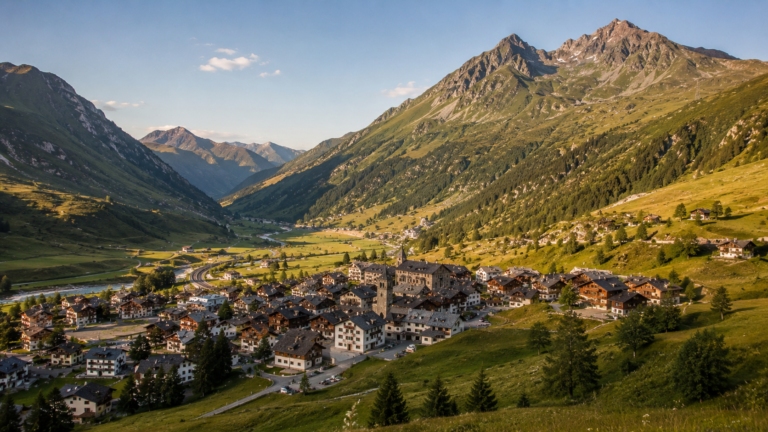
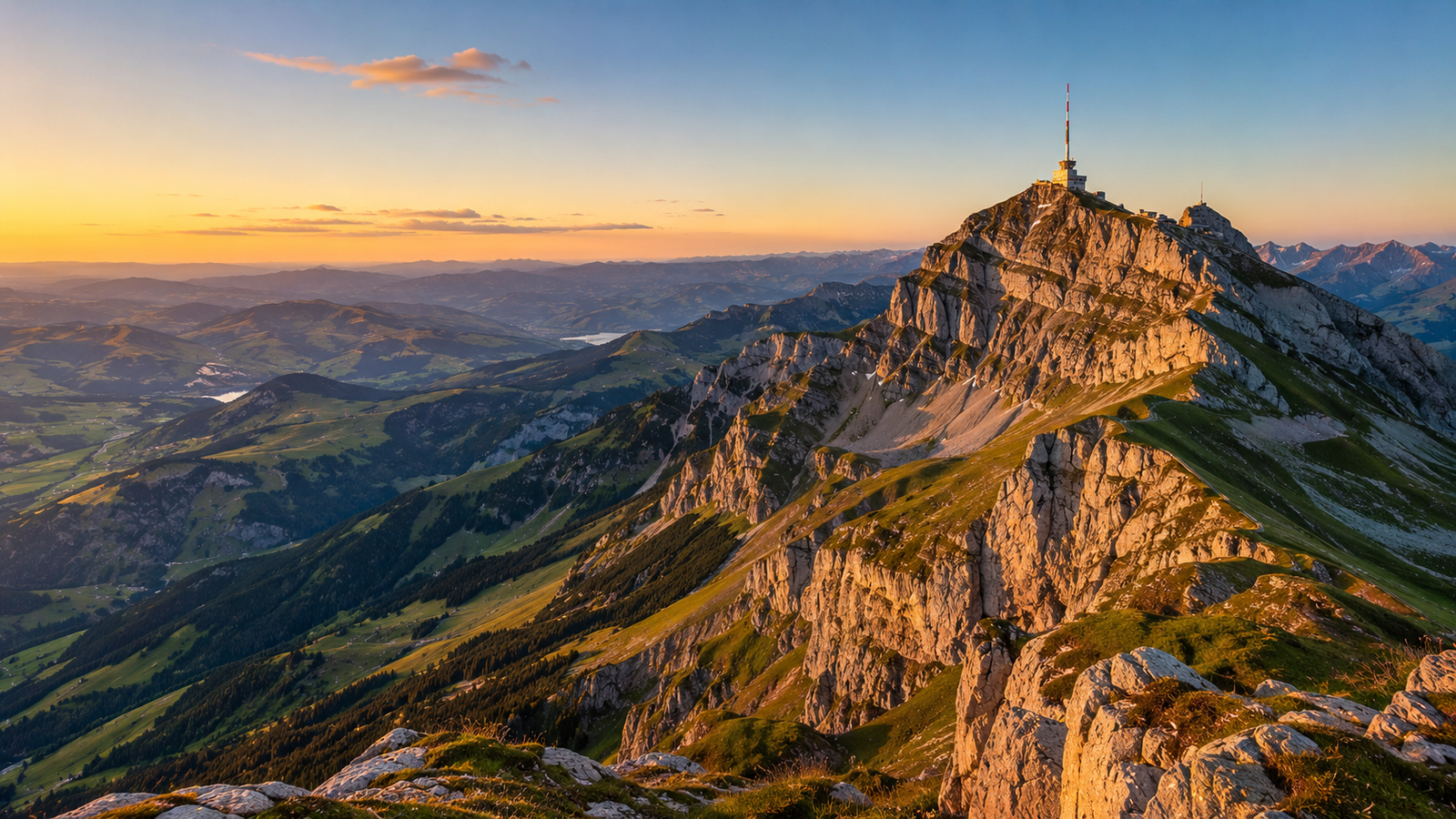
Säntis, Schwägalp, Switzerland
Säntis: Exploring the Highest Peak of Eastern Switzerland
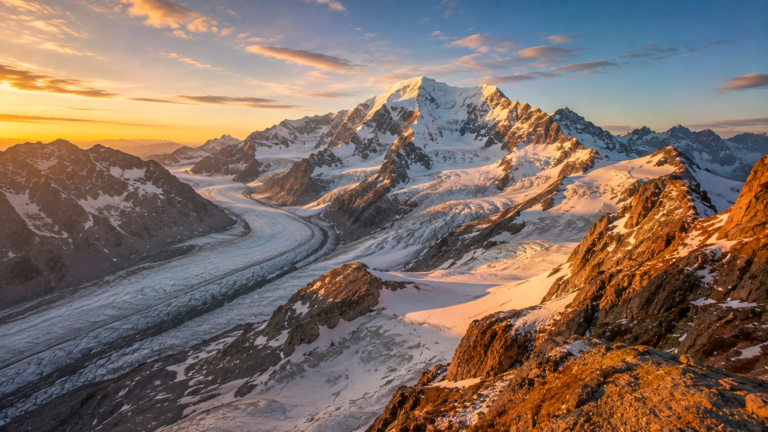
In a country famous for spectacular mountains, Säntis holds a distinctive place. Rising above the rolling hills and traditional villages of northeastern Switzerland, it serves as the highest summit in the Alpstein massif and one of the most recognizable landmarks in the region. Unlike the glacier-covered giants of the Bernese Alps or Valais, Säntis combines rugged mountain scenery with remarkable accessibility, making it a favorite destination for hikers, photographers, and travelers seeking sweeping views across multiple countries.
From its summit, visitors can look across a vast landscape that stretches beyond Switzerland’s borders. On clear days, the panorama extends toward Germany, Austria, Liechtenstein, and numerous Swiss regions, creating one of the most impressive viewing experiences in the country. The mountain’s dramatic cliffs, rapidly changing weather, and deep cultural ties to eastern Switzerland have helped make Säntis a destination that appeals to both outdoor enthusiasts and casual visitors.
The Crown of the Alpstein Range
Säntis rises to 2,502 meters above sea level within the Appenzell Alps, a mountain range known for its jagged limestone peaks, steep valleys, and scenic hiking routes. Although lower than many of Switzerland’s highest Alpine summits, Säntis dominates the surrounding landscape because of its isolated position and dramatic elevation above nearby lowlands.
The mountain stands near the border between the cantons of Appenzell Innerrhoden, Appenzell Ausserrhoden, and St. Gallen. Its location allows visitors to enjoy extraordinary views that encompass mountains, lakes, forests, and rural landscapes extending far beyond the immediate region.
The summit’s prominence makes it visible from great distances, and its distinctive silhouette has become an enduring symbol of eastern Switzerland.
A Mountain Shaped by Nature and History
For centuries, Säntis has played an important role in the lives of local communities. Shepherds, traders, and travelers have long crossed the surrounding mountain landscapes, helping shape the cultural identity of the region.
The mountain became increasingly important during the nineteenth century as interest in Alpine tourism expanded throughout Switzerland. Visitors were drawn by the dramatic scenery, unique geology, and opportunities to experience mountain environments without venturing deep into the high Alps.
The summit also gained significance as a location for scientific observation. Due to its exposed position and distinctive climate, Säntis became an important site for meteorological research and weather monitoring, a role it continues to play today.
Over time, improved transportation infrastructure transformed the mountain into one of eastern Switzerland’s most accessible natural attractions.
Geography and a Remarkable Viewpoint
One of the defining characteristics of Säntis is its extraordinary geographical position.
Unlike mountain ranges where neighboring peaks restrict visibility, Säntis rises prominently above the surrounding landscape, allowing visitors to enjoy panoramic views in nearly every direction. The mountain acts as a natural observation platform overlooking a large portion of northeastern Switzerland and beyond.
The surrounding Alpstein region is characterized by dramatic limestone formations, steep cliffs, alpine meadows, and narrow valleys. These geological features create a rugged environment that differs significantly from the glacier-dominated landscapes found elsewhere in the Swiss Alps.
The contrast between sharp mountain ridges and gentle rolling foothills contributes to the area’s unique visual appeal.
The Journey to the Summit
One reason Säntis attracts such a wide variety of visitors is the ease with which the summit can be reached.
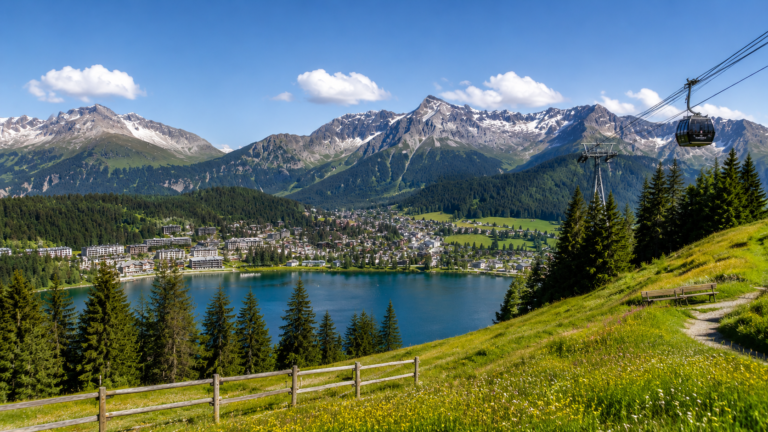
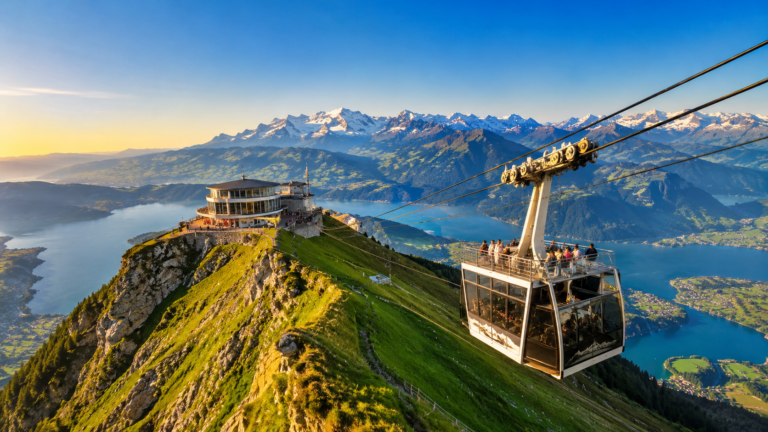
The Säntis cable car connects Schwägalp with the summit station, allowing travelers to ascend from the foothills into a high-mountain environment within a relatively short period. The journey itself offers spectacular views as the landscape transforms from forests and meadows into steep rocky terrain.
Upon reaching the summit, visitors are greeted by expansive observation areas that provide uninterrupted views across the surrounding region. The experience is particularly rewarding because it combines accessibility with the feeling of standing atop a remote mountain peak.
For travelers who may not be able to undertake long hikes or technical climbs, the cable car offers an opportunity to experience one of Switzerland’s most impressive mountain panoramas.
A Paradise for Hikers
While many visitors arrive by cable car, hiking remains one of the most rewarding ways to experience Säntis and the surrounding Alpstein region.
A network of trails connects mountain huts, ridges, valleys, and neighboring peaks. Routes vary in difficulty, ranging from scenic walks through alpine meadows to demanding mountain hikes that require experience and sure-footedness.
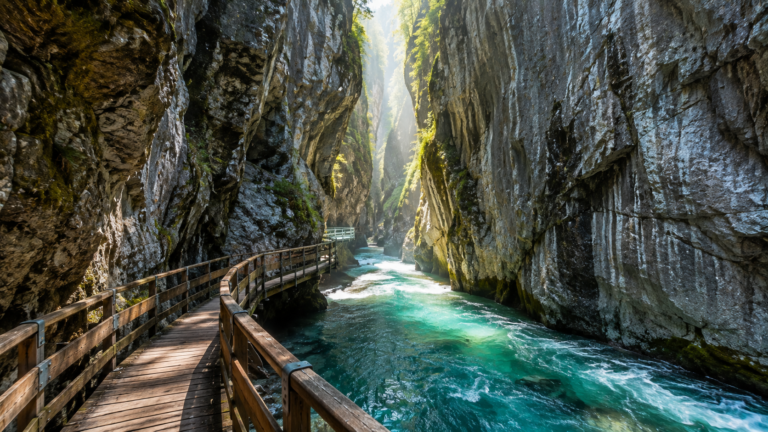
The landscape changes dramatically along these routes. Hikers encounter limestone cliffs, green pastures, wildflowers, mountain streams, and panoramic viewpoints that reveal new perspectives with every turn.
The region’s hiking culture is deeply rooted in local tradition, and exploring the trails offers insight into both the natural and cultural heritage of eastern Switzerland.
A Mountain Known for Weather Extremes
Säntis is famous not only for its scenery but also for its weather.
The summit’s exposed location places it directly in the path of changing weather systems moving across central Europe. As a result, conditions can shift rapidly, sometimes transforming from sunshine to fog, wind, or snowfall within a short period.
This dynamic climate has made Säntis one of Switzerland’s most important weather observation locations. Meteorological monitoring on the mountain contributes valuable information about atmospheric conditions in the region.
For visitors, the constantly changing weather often enhances the experience. Clouds drifting through valleys, dramatic light effects, and rapidly shifting views create a landscape that never appears exactly the same twice.
Seasonal Experiences Throughout the Year
Each season reveals a different side of Säntis.
Summer brings green alpine pastures, colorful wildflowers, and ideal hiking conditions. The long daylight hours make it one of the most popular times to explore the region.
Autumn offers clear air and excellent visibility. The surrounding hills and forests display seasonal colors, creating beautiful contrasts with the rugged mountain terrain.
Winter transforms Säntis into a dramatic snow-covered environment. Snow blankets the summit and surrounding slopes, creating striking Alpine scenery that attracts winter visitors and photographers.
Spring introduces gradual renewal as snow retreats from lower elevations and vegetation begins to reappear across the foothills and valleys.
The mountain’s changing appearance throughout the year ensures that repeat visits often feel entirely different.
Culture, Identity, and Regional Pride
Säntis occupies a special place in the identity of eastern Switzerland.
The mountain is closely associated with the traditions of Appenzell and neighboring regions, where agriculture, alpine farming, and mountain culture remain important aspects of daily life. Traditional architecture, local festivals, and regional cuisine all contribute to the area’s distinctive character.
Visitors exploring the foothills surrounding Säntis often encounter picturesque villages, historic farmhouses, and landscapes shaped by centuries of human activity. These cultural elements complement the natural beauty of the mountain and help create a richer travel experience.
The summit itself has become a symbol of regional pride and a landmark recognized throughout Switzerland.
Planning a Visit
Reaching Säntis is straightforward thanks to Switzerland’s efficient transportation network. Visitors typically travel to Schwägalp before continuing to the summit via cable car.
Because weather conditions can change quickly, checking forecasts before departure is advisable. Layered clothing is recommended year-round, as temperatures at the summit are often significantly cooler than those in nearby towns and valleys.
Photography enthusiasts may find early morning and late afternoon particularly rewarding, when sunlight enhances the textures of the cliffs and surrounding landscapes.
What makes Säntis truly remarkable is the combination of accessibility, dramatic scenery, and cultural significance. Visitors can stand on one of eastern Switzerland’s most famous summits, admire a panorama that stretches across multiple countries, and experience a mountain environment that reflects both natural beauty and regional heritage. Whether arriving for a short excursion or a longer exploration of the Alpstein range, travelers quickly discover why Säntis remains one of Switzerland’s most treasured mountain destinations.