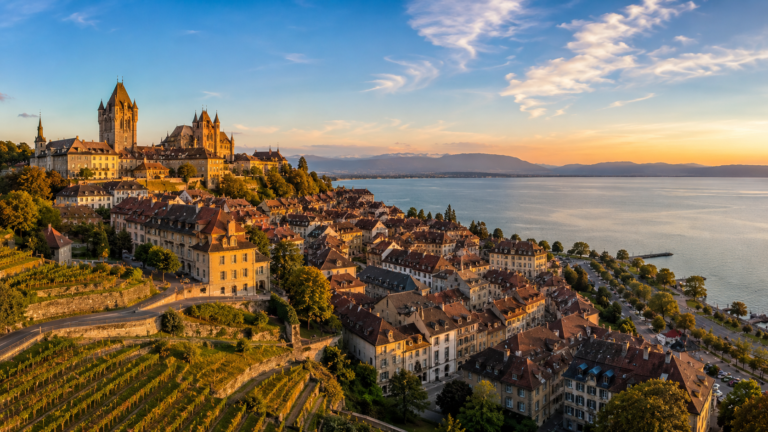

Chur, Graubünden, Switzerland
Chur: Exploring Switzerland’s Oldest City at the Gateway to the Alps
Long before Switzerland became famous for luxury resorts, mountain railways, and postcard-perfect Alpine scenery, Chur was already a thriving settlement. Today, the capital of the canton of Graubünden blends thousands of years of history with modern Swiss life, creating one of the country’s most fascinating urban destinations. Surrounded by mountains and positioned at the crossroads of important Alpine routes, Chur offers visitors a rare opportunity to experience both cultural heritage and spectacular landscapes in a single location.
Often described as Switzerland’s oldest city, Chur possesses a remarkable historical legacy that continues to shape its identity. Yet despite its significance, it remains less crowded than many of the country’s best-known tourist centers. For travelers seeking authenticity, history, and easy access to the Alps, Chur provides a rewarding alternative to more heavily visited destinations.
Situated in eastern Switzerland, Chur occupies a strategic position within the Rhine Valley at the edge of the Alps. The city serves as the administrative and cultural center of Graubünden, Switzerland’s largest canton. Mountain peaks rise around the urban area, while valleys extending in several directions connect Chur to some of the country’s most scenic regions.
Its location has played a crucial role throughout history. For centuries, merchants, pilgrims, and travelers crossed Alpine passes through the region, making Chur an important transportation and trading hub. This geographic advantage helped the city develop into a center of commerce, governance, and culture long before the modern era.
Archaeological evidence suggests that the area has been inhabited since prehistoric times. Discoveries from different historical periods reveal a continuous human presence spanning thousands of years. During Roman times, the settlement gained further importance due to its position along key routes connecting northern and southern Europe.
The influence of the Roman era remains an important chapter in Chur’s story, but the city’s medieval development is equally significant. Religious institutions, trade networks, and regional administration helped transform Chur into a major center within the Alps. Over time, churches, civic buildings, and fortified structures were established, many of which contributed to the distinctive character visitors encounter today.
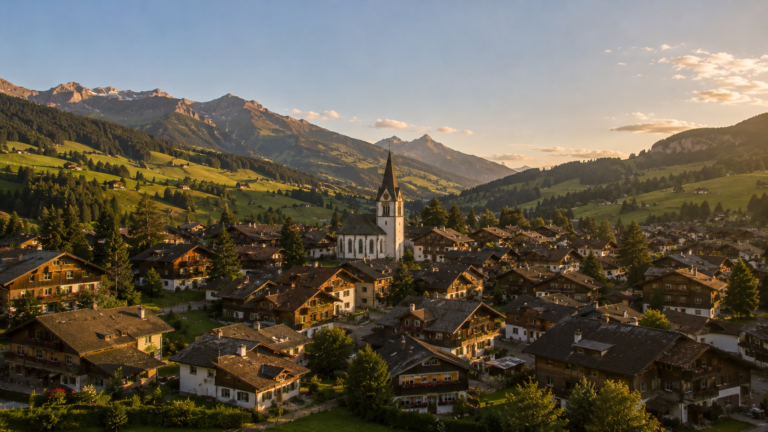
The best place to appreciate this historical legacy is the Old Town. Unlike many modern urban centers, Chur’s historic core retains a remarkable collection of narrow streets, traditional buildings, courtyards, and public squares. Walking through these pedestrian-friendly areas feels like stepping through centuries of European history.
The heart of the Old Town is centered around winding lanes that reveal hidden architectural details at nearly every turn. Colorful facades, historic townhouses, and preserved structures create an atmosphere that encourages slow exploration. Unlike destinations where individual landmarks dominate the visitor experience, Chur’s charm often emerges through the overall character of its streets and neighborhoods.
Among the city’s most important landmarks is the Cathedral of Saint Mary of the Assumption, commonly known as Chur Cathedral. Situated within the episcopal district, the cathedral reflects centuries of religious and architectural development. Its elevated position overlooking parts of the city further enhances its significance within the urban landscape.
The surrounding episcopal complex is one of the most historically important areas in Chur. Visitors exploring the district encounter historic buildings, courtyards, and cultural sites that illustrate the city’s role as a religious center for generations.
Museums add another layer to the visitor experience. Cultural institutions throughout Chur showcase regional history, archaeology, art, and local traditions. Exhibitions provide valuable context for understanding how the city evolved and why it remains such an important destination within Graubünden.
While history forms the foundation of Chur’s appeal, the city is equally connected to the natural environment surrounding it. Mountain scenery is visible from nearly every part of the urban area, creating a striking contrast between historic architecture and dramatic Alpine landscapes.
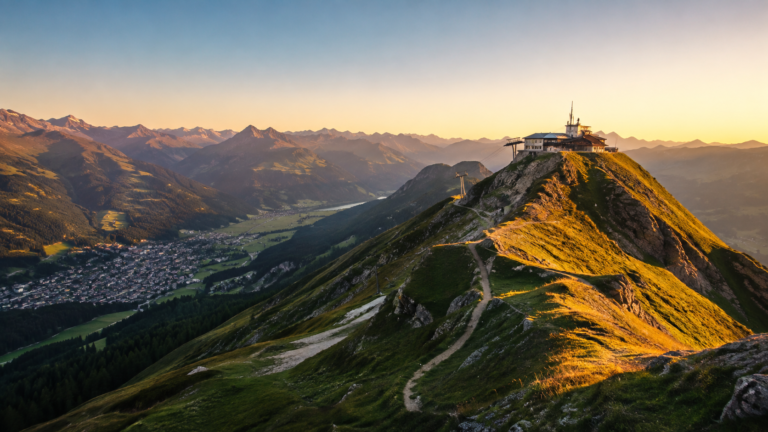
One of the most popular experiences is riding the Brambrüesch cableway, which provides access to a mountain recreation area above the city. From higher elevations, visitors enjoy panoramic views of Chur, the Rhine Valley, and the surrounding peaks. Hiking trails, mountain biking routes, and scenic viewpoints make the area attractive throughout much of the year.
The changing seasons bring different perspectives on the landscape. During spring and summer, green valleys and flowering meadows dominate the scenery. Autumn introduces vibrant colors across forests and hillsides, while winter transforms nearby mountains into snow-covered playgrounds for outdoor enthusiasts.
Chur is also internationally known as a gateway to some of Switzerland’s most famous railway journeys. The city serves as an important departure point for routes operated by the Rhaetian Railway. Travelers from around the world begin their journeys here aboard the Bernina Express and Glacier Express, two of the country’s most celebrated scenic trains.
These railway experiences connect Chur with some of the most spectacular landscapes in the Alps, crossing mountain passes, valleys, viaducts, and dramatic natural environments. Even visitors who do not embark on full railway journeys often appreciate the city’s role within Switzerland’s renowned transportation network.
The cultural character of Chur reflects the diversity of Graubünden itself. The canton is known for its multilingual heritage, where German, Romansh, and Italian traditions influence local life. Although German is the primary language spoken in Chur, the broader regional culture reflects a unique blend of Alpine identities.
Throughout the year, cultural events, concerts, exhibitions, and community celebrations contribute to the city’s lively atmosphere. Markets and seasonal gatherings provide opportunities for visitors to experience local traditions while interacting with residents.
Food and dining form another important part of the visitor experience. Restaurants throughout the city showcase regional specialties inspired by mountain agriculture and Alpine traditions. Local ingredients, traditional recipes, and contemporary interpretations create a culinary scene that reflects both heritage and innovation.
For many travelers, one of Chur’s greatest strengths is its walkability. Much of the historic center can be explored on foot, allowing visitors to discover hidden corners, historic details, and scenic viewpoints at their own pace. The combination of compact urban design and rich historical surroundings makes sightseeing both convenient and enjoyable.
Accessibility further enhances the city’s appeal. Chur is exceptionally well connected by rail and road, making it one of the easiest Alpine destinations to reach from major Swiss cities. Direct train services link the city with Zurich and other important transportation hubs, while regional networks provide access to mountain communities throughout Graubünden.
The best time to visit depends largely on personal interests. Summer is ideal for outdoor exploration, hiking, and railway excursions. Autumn offers beautiful landscapes and comfortable temperatures for sightseeing. Winter attracts visitors interested in nearby ski areas and snowy mountain scenery, while spring provides a quieter atmosphere and blooming Alpine landscapes.
Travelers should consider spending at least a full day exploring the Old Town before venturing into the surrounding region. Comfortable footwear is highly recommended due to the historic streets and occasional elevation changes. Those interested in railway journeys should plan ahead, especially during peak travel periods.
What ultimately distinguishes Chur is the way it balances history and modernity without sacrificing either. Ancient streets coexist with contemporary urban life, while nearby mountains remind visitors that nature remains a constant presence. Rather than serving merely as a gateway to other destinations, Chur stands confidently as a destination in its own right.
For travelers seeking a deeper understanding of Switzerland beyond its most famous resorts and attractions, Chur offers a compelling introduction to the country’s cultural roots, Alpine landscapes, and enduring historical legacy.