Andermatt, Canton of Uri, Switzerland
Andermatt: Explore the Historic Alpine Gateway of Central Switzerland
Few places in Switzerland occupy a location as strategically important and visually dramatic as Andermatt. Surrounded by towering Alpine peaks and positioned near several of the country’s most famous mountain passes, this village in the canton of Uri has long served as a gateway between different regions of the Swiss Alps. Today, Andermatt combines centuries of history with modern tourism, creating a destination that appeals to outdoor enthusiasts, railway travelers, photographers, and anyone seeking authentic mountain scenery.
Unlike many Alpine resorts that grew primarily around tourism, Andermatt’s significance began with geography. Its position near major trans-Alpine routes shaped its development over generations, and that history remains visible throughout the village today. Visitors arrive to discover not only a renowned mountain destination but also an important chapter in Switzerland’s story.
Where the Great Alpine Routes Meet
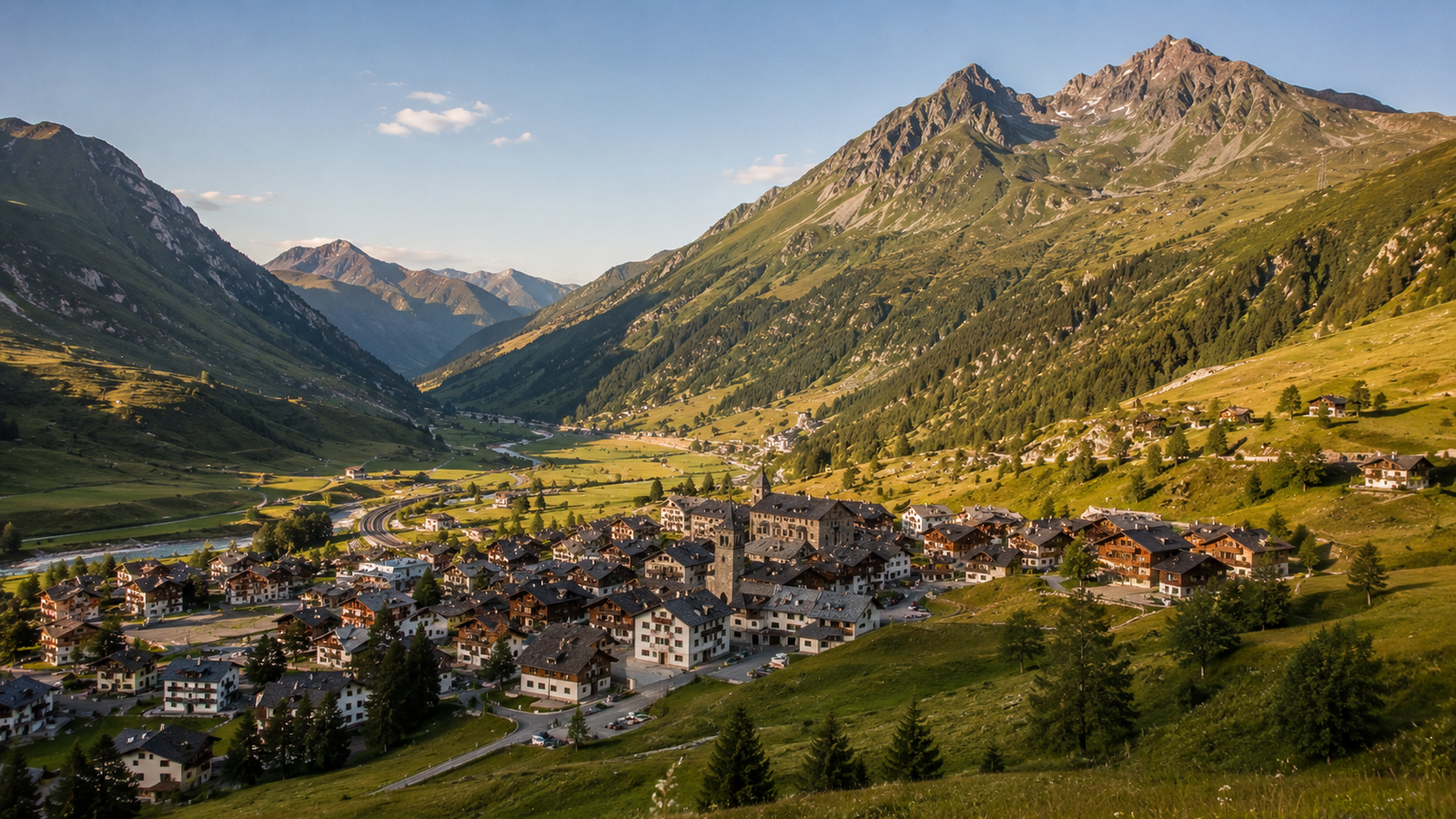
Andermatt sits in the upper Ursern Valley in central Switzerland, surrounded by some of the most iconic mountain landscapes in the country. The village lies close to several famous Alpine passes, including the Gotthard Pass, Furka Pass, and Oberalp Pass, creating a natural crossroads within the Swiss Alps.
This unique geographic setting has influenced life in Andermatt for centuries. Long before modern highways and railways existed, travelers crossing the Alps often passed through this region. Trade routes connected northern and southern Europe, making the area an important transit corridor.
Today, the same location that once attracted merchants and travelers now attracts outdoor adventurers, rail enthusiasts, and visitors searching for spectacular mountain scenery. The surrounding peaks, valleys, rivers, and mountain roads continue to define the character of the destination.
A Village Shaped by Alpine History
The history of Andermatt is closely linked to transportation and mountain travel. Its position near major Alpine crossings ensured that the settlement played an important role in regional movement for generations.
As routes through the Alps improved over time, Andermatt became increasingly connected to other parts of Switzerland. The development of rail infrastructure further strengthened its importance, allowing travelers to access the high mountains more efficiently while preserving the village’s traditional character.
Historic buildings, churches, and local architecture provide reminders of Andermatt’s past. Walking through the village reveals a blend of traditional Alpine construction and more recent developments that reflect its growing role as a tourism destination.
While modern investment has introduced new accommodations and facilities, the community has retained much of its mountain identity, allowing visitors to experience both heritage and contemporary comfort.
Alpine Landscapes in Every Direction
One of Andermatt’s greatest strengths is its remarkable natural setting. Few Swiss destinations offer such immediate access to a variety of mountain environments.
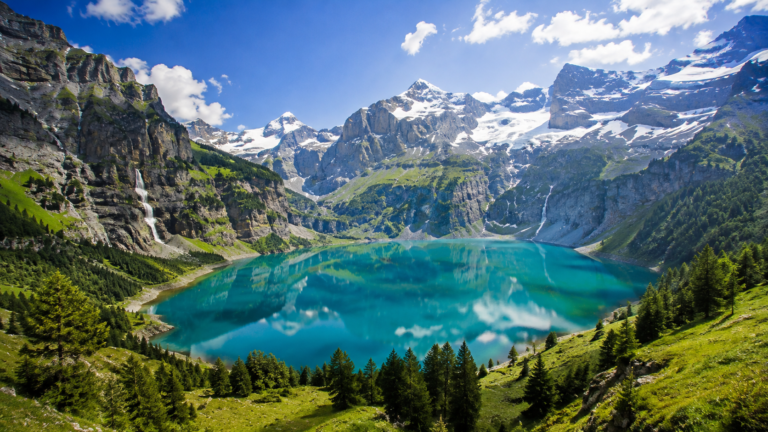
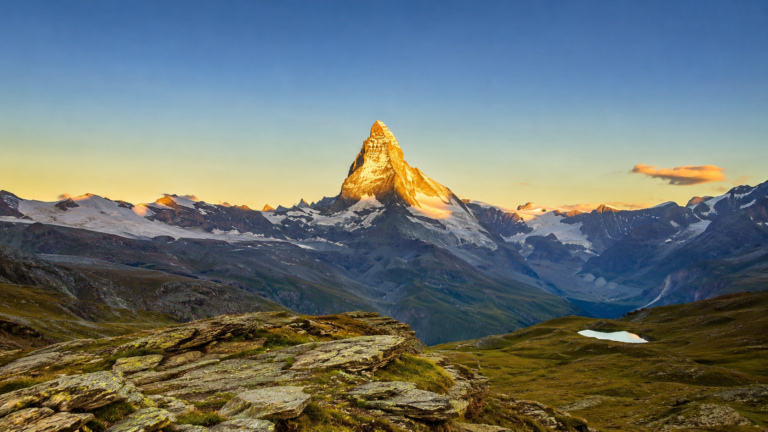
The surrounding region features rugged peaks, alpine meadows, rocky ridges, glacial landscapes, and high mountain lakes. Seasonal changes dramatically transform the scenery. Summer brings vibrant green valleys and wildflower-covered slopes, while winter blankets the landscape in snow.
The nearby Oberalp Pass offers sweeping views and serves as an important connection between the cantons of Uri and Graubünden. Furka Pass is famous for its dramatic mountain scenery and winding roads, attracting photographers and driving enthusiasts. The historic Gotthard region remains one of Switzerland’s most significant Alpine landscapes.
For visitors, the diversity of terrain means there is always another viewpoint, trail, or scenic route waiting to be explored.
Attractions That Define Andermatt
Although the mountains are the primary attraction, several specific highlights make Andermatt particularly memorable.
The Andermatt-Sedrun-Disentis ski area has become one of Switzerland’s notable mountain recreation destinations. The extensive network of slopes and lifts connects multiple Alpine regions, creating opportunities for winter sports enthusiasts throughout the season.
The Gemsstock mountain is among the area’s best-known landmarks. Accessible by cable car, it offers panoramic views of surrounding peaks and serves as a hub for skiing, hiking, and sightseeing depending on the season.
Railway enthusiasts are drawn to the famous Glacier Express, one of the world’s most celebrated scenic train journeys. The route passes through Andermatt, allowing travelers to experience some of Switzerland’s most impressive mountain scenery from the comfort of a train.
The nearby Devil’s Bridge area, associated with the dramatic Schöllenen Gorge, is another important landmark. The gorge played a key role in historical Alpine transportation and remains one of the region’s most fascinating natural and cultural sites.
A Destination for Every Season
Andermatt is not limited to a single travel season. Instead, the village offers distinct experiences throughout the year.
Winter attracts skiers, snowboarders, and winter hikers seeking reliable snow conditions and extensive mountain terrain. Snow-covered peaks and valleys create the classic Swiss Alpine landscape many travelers imagine when visiting the country.
When the snow melts, hiking becomes one of the most popular activities. Trails lead through mountain meadows, across high passes, and toward panoramic viewpoints that reveal the dramatic geography of central Switzerland.
Cyclists and motorcyclists frequently visit during the warmer months to experience legendary Alpine roads such as the Furka and Gotthard passes. These routes rank among the most scenic mountain drives in Europe.
Photography, sightseeing, and rail travel remain popular regardless of season, thanks to the constantly changing mountain scenery.
Experiencing Local Life
Despite its growing international profile, Andermatt continues to reflect the traditions of the canton of Uri and the broader Alpine region.
Traditional architecture remains visible throughout the village, particularly in older sections where historic buildings preserve local character. Seasonal events and regional customs help maintain cultural connections that extend far beyond tourism.
Local restaurants often feature Swiss and Alpine-inspired cuisine, allowing visitors to experience regional flavors while enjoying mountain views. Hospitality remains an important part of village life, contributing to the welcoming atmosphere frequently noted by travelers.
The combination of heritage and modernization gives Andermatt a unique identity among Swiss mountain destinations.
Choosing the Best Time to Visit
The ideal time to visit depends largely on personal interests.
Winter is perfect for skiing, snowboarding, and experiencing snow-covered Alpine scenery. The surrounding mountains become a playground for winter sports enthusiasts.
Spring offers quieter conditions as the landscape transitions between seasons. Rivers and streams swell with snowmelt, adding energy to the mountain environment.
Summer provides excellent conditions for hiking, sightseeing, mountain rail journeys, and exploring nearby passes. Long daylight hours allow visitors to spend more time outdoors.
Autumn brings crisp air, fewer crowds, and beautiful seasonal colors across the valleys and mountain slopes.
Each season reveals a different side of Andermatt’s appeal.
Arriving in the Heart of the Alps
One of Andermatt’s greatest advantages is its accessibility. The village is connected to Switzerland’s renowned rail network, making it reachable from major cities while providing travelers with scenic mountain journeys along the way.
Road access is equally impressive. Several famous Alpine routes converge near the village, making it a natural stop for travelers exploring Switzerland by car or motorcycle.
Its location at the intersection of major mountain corridors ensures that Andermatt remains one of the country’s most accessible high-Alpine destinations.
More Than a Mountain Resort
What makes Andermatt particularly compelling is the way it combines scenery, history, transportation heritage, and outdoor recreation in one destination. Visitors can explore centuries-old Alpine routes, ride world-famous trains, hike mountain trails, and enjoy modern resort amenities without losing the sense of place that defines the village.
The surrounding peaks may be the first thing travelers notice, but Andermatt’s deeper appeal lies in its connection to Switzerland’s Alpine story. It is a destination where geography, history, and adventure intersect, creating an experience that feels both timeless and distinctly Swiss.