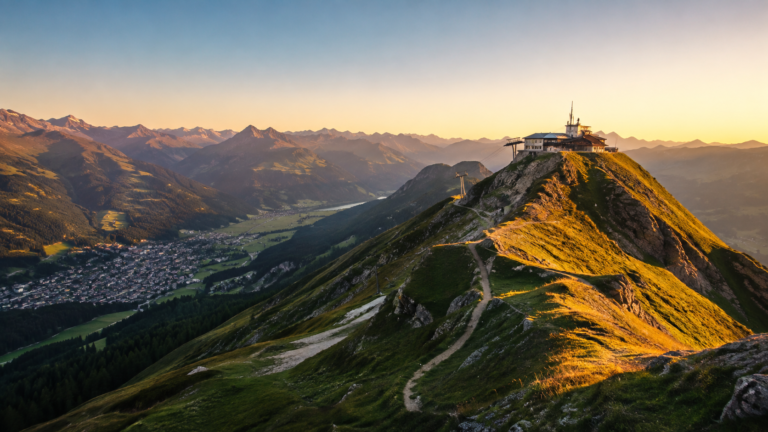

Zernez, Engadin Valley, Switzerland
Zernez: The Authentic Gateway to Switzerland’s Wild Alpine Heart
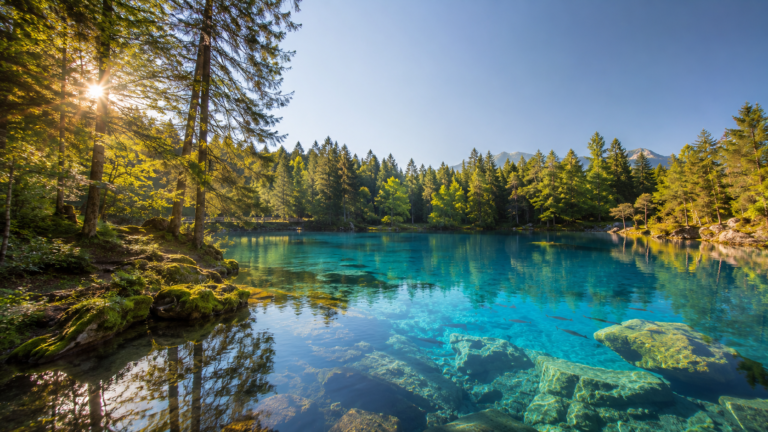
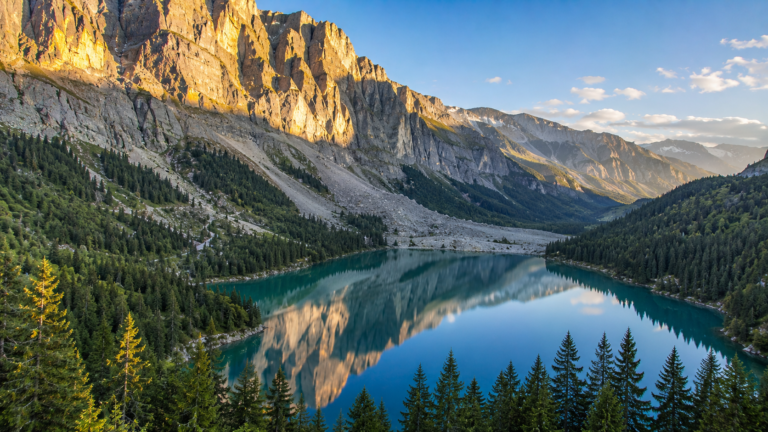
Nestled in the heart of the Lower Engadin region of southeastern Switzerland, Zernez is a mountain village where nature, culture, and history meet. While many travelers head directly to Switzerland’s famous resort towns, Zernez offers a quieter and more authentic experience. Surrounded by dramatic Alpine landscapes and serving as the primary gateway to the Swiss National Park, the village attracts hikers, wildlife enthusiasts, photographers, and travelers seeking a deeper connection with the natural beauty of the Swiss Alps.
Unlike destinations known for luxury tourism and bustling ski scenes, Zernez is defined by its unspoiled environment and strong ties to the traditions of the Engadin Valley. Visitors come here to explore one of Europe’s most protected natural areas, discover local culture, and experience a side of Switzerland that remains remarkably untouched.
Located in the canton of Graubünden, Zernez sits at an important crossroads within the Engadin region. The village lies along the Inn River and is surrounded by mountains that form part of the Eastern Alps. Its strategic location has made it a significant settlement for centuries, connecting routes toward the Upper Engadin, Lower Engadin, Val Müstair, and neighboring regions beyond Switzerland’s borders.
The history of Zernez reflects the broader story of the Engadin Valley. Archaeological discoveries in the region indicate human activity dating back thousands of years. Over the centuries, the village developed as a mountain community shaped by agriculture, trade, and Alpine traditions. Like many settlements in Graubünden, Zernez has preserved elements of its cultural heritage while adapting to modern tourism and conservation efforts.
One of the defining moments in the village’s modern history came with the establishment of the Swiss National Park in the early twentieth century. As the nearest major access point to the protected area, Zernez became closely linked with conservation and environmental education. Today, the village serves as an important base for visitors exploring the park and learning about the region’s unique ecosystems.
The Swiss National Park remains Zernez’s most celebrated attraction. Covering a vast protected mountain landscape, it is Switzerland’s only national park and one of the oldest national parks in Europe. The park follows strict conservation principles, allowing natural processes to unfold with minimal human intervention. This approach has created a rare environment where wildlife and ecosystems thrive largely undisturbed.
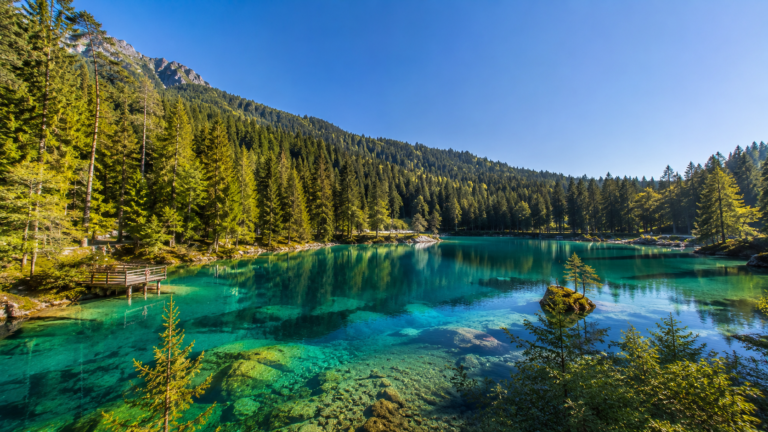
Visitors entering the park from Zernez can access a network of marked hiking trails that wind through forests, alpine meadows, rocky valleys, and mountain passes. Depending on the season and conditions, hikers may encounter ibex, chamois, marmots, red deer, and a variety of bird species. The opportunity to observe wildlife in a natural setting is one of the park’s greatest appeals.
Another highlight is the National Park Centre located in Zernez. This modern visitor center provides an introduction to the park’s geology, wildlife, landscapes, and conservation philosophy. Through interactive exhibits and educational displays, visitors gain valuable insight into the natural environment before setting out on nearby trails. The center has become an essential starting point for many travelers exploring the region.
Beyond the national park, Zernez itself offers plenty to discover. Walking through the village reveals traditional Engadin architecture characterized by thick stone walls, decorative façades, and distinctive sgraffito artwork. These historic buildings reflect centuries of local craftsmanship and regional identity.
The nearby Church of San Maurizius is another notable landmark. Its history stretches back many centuries and serves as a reminder of the village’s longstanding cultural and religious heritage. Together with traditional homes and public spaces, the church contributes to the character and atmosphere that make Zernez unique among Alpine destinations.
Outdoor activities remain at the center of the visitor experience throughout the year. During the warmer months, hiking is the primary attraction. Trails range from gentle valley walks to challenging mountain routes, offering options for different skill levels. Cycling enthusiasts also find numerous opportunities to explore scenic routes through the Engadin landscape.
Autumn transforms the region into a spectacular display of color. Forests glow with shades of gold and orange, while cooler temperatures create ideal conditions for hiking and wildlife observation. The annual red deer rutting season often attracts nature lovers hoping to witness one of the most fascinating events in the Alpine wilderness.
Winter brings a different but equally rewarding experience. Snow-covered mountains create a peaceful atmosphere, and visitors can enjoy cross-country skiing, winter hiking, snowshoeing, and other seasonal activities. Unlike some larger Swiss ski destinations, Zernez offers a quieter winter environment focused on nature and outdoor recreation rather than nightlife and large-scale tourism.
Culture plays an important role in village life. Zernez is part of the Romansh-speaking region of Switzerland, where one of the country’s national languages remains actively used. Although German is widely spoken, visitors may encounter Romansh place names, traditions, and cultural expressions throughout the area. This linguistic heritage contributes to the distinct identity of the Engadin Valley.
Local events and community traditions provide further opportunities to experience regional culture. Seasonal celebrations, traditional music, and local customs help preserve the character of the village while offering visitors insight into everyday life in the Swiss Alps.
Accessibility is another advantage. Zernez is well connected by Switzerland’s renowned public transportation network. The village railway station links travelers to destinations throughout the Engadin region and beyond. Scenic train journeys through Graubünden allow visitors to enjoy breathtaking mountain views while traveling comfortably between villages and cities.
Road connections also make Zernez an important transportation hub within southeastern Switzerland. Its location provides convenient access to nearby valleys, mountain passes, and neighboring destinations, making it an excellent base for exploring a wider section of the canton.
The best time to visit depends largely on personal interests. Summer offers the greatest access to hiking trails and national park activities. Autumn provides stunning landscapes and exceptional wildlife viewing opportunities. Winter attracts visitors seeking snowy scenery and outdoor recreation, while spring brings renewed life to the valley as nature awakens after the colder months.
Travelers planning a visit should prepare for changing mountain weather, especially when exploring higher elevations. Comfortable hiking footwear, layered clothing, and awareness of trail conditions can help ensure a safe and enjoyable experience. Respect for conservation rules is particularly important within the national park, where protecting wildlife and natural habitats remains a top priority.
What makes Zernez especially appealing is its authenticity. Rather than relying on luxury developments or large-scale attractions, the village draws visitors through its natural beauty, cultural heritage, and direct connection to one of Europe’s most important protected landscapes. It represents a side of Switzerland where conservation, tradition, and outdoor adventure coexist in remarkable harmony.
For travelers seeking a destination that combines breathtaking Alpine scenery with meaningful experiences in nature, Zernez stands out as one of Switzerland’s most rewarding places to visit. Its role as the gateway to the Swiss National Park ensures lasting appeal, while its village charm and Engadin character leave a memorable impression long after the journey ends.