
Zermatt Reopens Glacier Skiing After Summer Heat Disrupted Snow Conditions
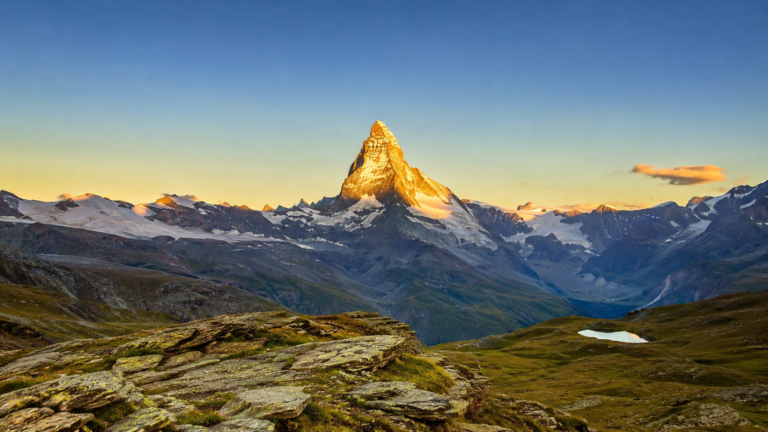
Skiers will return to parts of Switzerland’s Theodul Glacier on October 14, after a prolonged summer shutdown caused by extreme heat and rapidly deteriorating snow conditions. Zermatt Bergbahnen, the company operating the resort’s lifts, announced that recent snowfall and falling temperatures had improved conditions enough to resume public skiing, although the full glacier area will not immediately reopen.
The reopening marks a significant change for one of Switzerland’s best-known high-altitude ski destinations, where glacier skiing normally allows snow sports to continue through much of the summer. This year, persistent warmth and glacier melt forced the resort to suspend public skiing from late July, disrupting an operation that usually provides access to snow outside the conventional winter season.
The initial reopening will be limited to selected lifts and available terrain. Resort officials say the amount of skiing offered will depend on snow cover, weather and operating conditions, making the return to the slopes a gradual process rather than an immediate restoration of the entire glacier area.
Which parts of the ski area will reopen?
From Wednesday, October 14, visitors will be able to use the Plateau Rosa 1 and Plateau Rosa 2 ski lifts. The Matterhorn Glacier Ride II, which connects Klein Matterhorn with Testa Grigia, is also scheduled to resume service. These facilities will provide access to the sections of the glacier prepared for public skiing.
The Plateau Rosa 3 lift will remain outside the initial reopening. Work is continuing to prepare that section, which could add a beginner area and a limited selection of snowpark features if conditions allow.
The phased approach reflects the practical limits of operating a ski area on a glacier after a period of intense melting. Fresh snowfall can improve surface coverage, but operators must still assess whether the snow is sufficient and whether the terrain and lift infrastructure can be used safely.
Zermatt Bergbahnen has emphasized that safety remains its priority. The company says the available snow-sports offer will depend on current snow conditions, the weather and operational requirements. Visitors should therefore check the resort’s official lift and piste updates before traveling, rather than assume that every previously available run will be open.
Why the summer season was interrupted
The closure followed a summer marked by high temperatures, limited snow protection and rapid melting on the glacier. Blick and Keystone-SDA reported that the combination of heat, mild nights and intense thunderstorms damaged the snow and ice conditions enough to make normal public skiing impossible. The public operation was suspended from late July.
Glacier ski areas depend on more than altitude alone. Although colder conditions generally prevail at higher elevations, the snow surface can still deteriorate during sustained warm weather. Snow that melts exposes darker underlying ice, which can absorb more solar energy and accelerate further melting. Rain and thunderstorms can also affect the condition of slopes and complicate preparation.
The latest snowfall and lower temperatures have improved the situation at Theodul Glacier, according to the operator. However, a period of cooler weather does not reverse the longer-term loss of glacier ice, and it does not guarantee that conditions will remain suitable throughout the autumn.
The distinction is important: the reopening demonstrates that the slopes have become usable again under current conditions, not that the glacier has recovered from the summer’s heat.
A challenge for year-round glacier skiing
Zermatt’s high-altitude ski area is an important part of the resort’s appeal because it can offer snow sports outside the main winter season. Its glacier terrain reaches elevations approaching 4,000 meters, allowing the resort to operate in conditions that differ substantially from those at lower Alpine ski areas.
Even at these elevations, however, the summer shutdown illustrates the vulnerability of glacier skiing to changing weather. Resorts must continually assess snow coverage, maintain pistes and adapt their operations when temperatures or precipitation make particular sections unsuitable.
The effect is not limited to Zermatt. In Saas-Fee, some lifts on the Allalin Glacier have also reopened after being closed since mid-August. Simon Bumann, director of Saastal Bergbahnen, told Swiss public broadcaster SRF that keeping the operation running requires substantial work. The slopes are being prepared with snow stored from the previous winter.
The developments at both resorts show how glacier operators are responding to changing conditions through careful preparation and adjustments to the areas they can safely open. They do not establish that every Swiss glacier resort has experienced the same disruption, since local weather, altitude, snow accumulation and operating arrangements vary.
The wider context of Swiss glacier loss
The immediate reopening comes amid continuing concerns about the condition of Switzerland’s glaciers. A Swissinfo report published on October 1, 2026, said that a fifth of Swiss Alpine ice had disappeared over five years, with the summer’s heat and low winter snowfall contributing to glacier losses.
Glaciers are shaped by the balance between snowfall and melting. When winter accumulation fails to replace ice lost during warmer months, the glacier shrinks over time. A fresh snowfall can temporarily improve the surface for skiing, but it does not necessarily compensate for the loss of ice accumulated over many years.
For ski operators, the implications include greater uncertainty about seasonal opening dates, increased preparation demands and the need to monitor conditions continuously. The exact effect on future seasons at Zermatt cannot be determined from this reopening announcement alone, but the summer closure demonstrates that high elevation does not eliminate weather-related operating risks.
The resort’s ability to reopen in October is therefore a short-term improvement in skiing conditions, while the broader question of long-term glacier stability remains separate.
What visitors should expect next
For skiers planning a visit, October 14 is the key date for the return of public skiing on the specified sections of Theodul Glacier. The Plateau Rosa 1 and 2 lifts and the Matterhorn Glacier Ride II are scheduled to resume service, while preparations continue for Plateau Rosa 3.
The precise range of open runs may change with snowfall, temperature and operational assessments. Checking official resort updates before setting out will help visitors avoid relying on outdated information, particularly during a period when conditions can change quickly.
The reopening is welcome news for Zermatt’s autumn ski season, but it also illustrates the limits of relying on glacier altitude alone to secure year-round skiing. Cooler weather and fresh snow have restored access for now. Maintaining that access will depend on the conditions that follow.