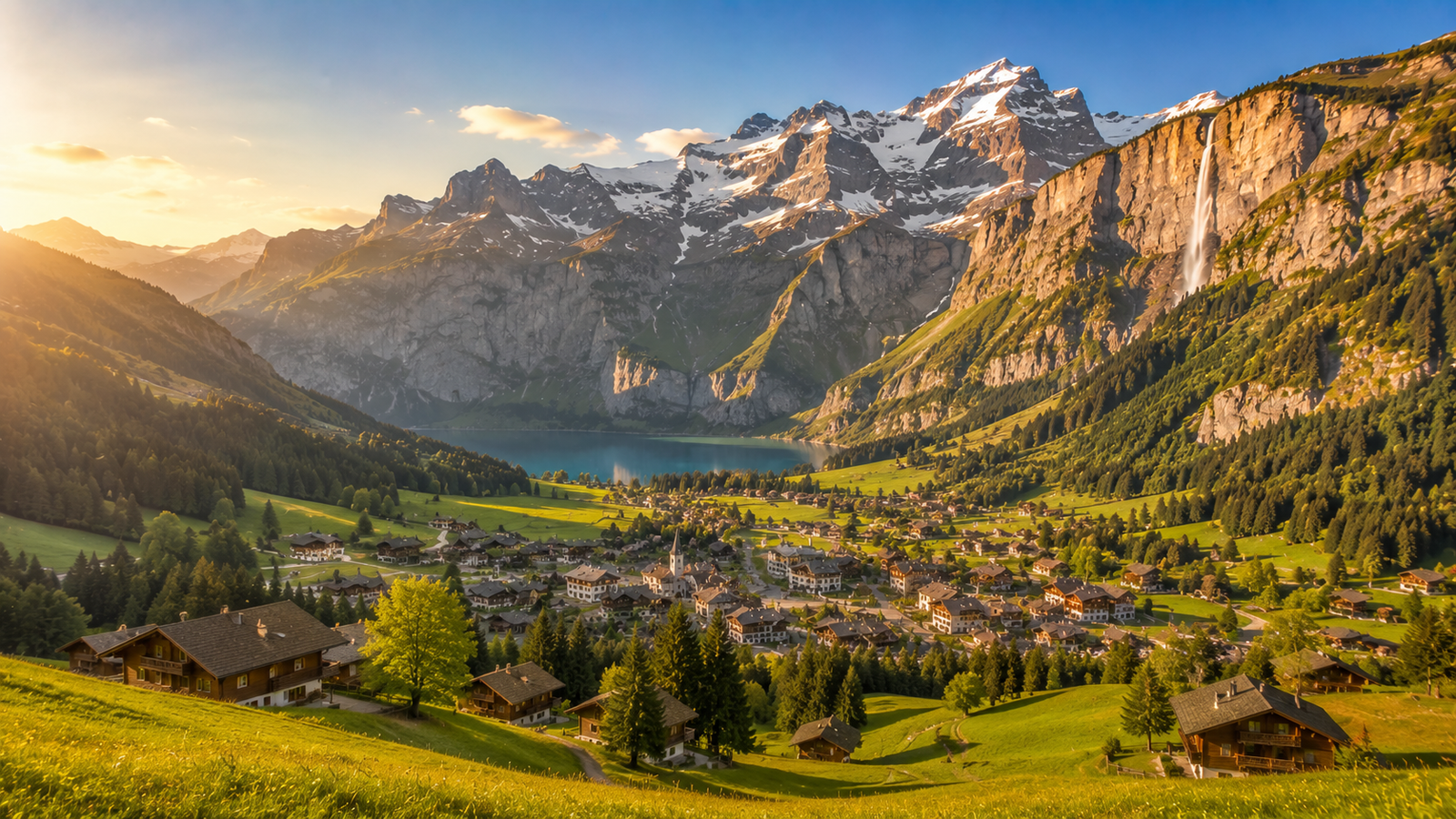
Kandersteg, Bernese Oberland
Kandersteg: Switzerland’s Alpine Gateway to Lakes, Peaks, and Timeless Mountain Landscapes
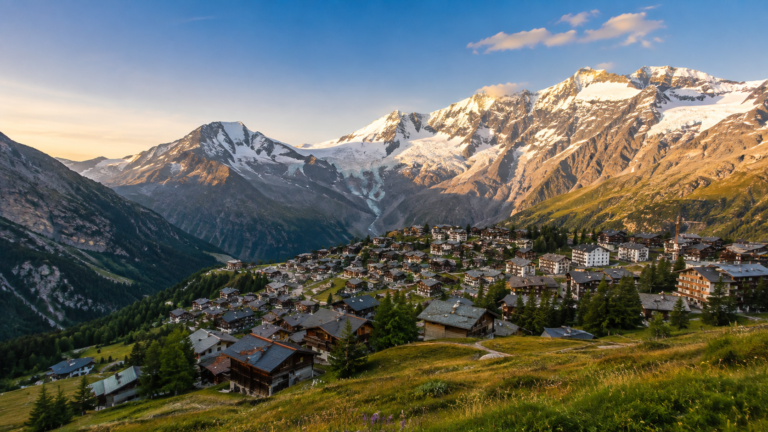
Among the mountain villages of the Bernese Oberland, Kandersteg occupies a special place. Surrounded by towering limestone peaks, deep valleys, waterfalls, and pristine Alpine lakes, it serves as one of Switzerland’s most impressive gateways to the high Alps. While many travelers first recognize the village because of the world-famous Oeschinen Lake, Kandersteg offers far more than a single attraction.
The village combines dramatic landscapes with a relaxed atmosphere, making it equally appealing to hikers, nature lovers, photographers, and travelers seeking a quieter side of Switzerland. Unlike heavily urbanized resort destinations, Kandersteg has preserved much of its traditional Alpine character, allowing visitors to experience mountain life within an environment shaped by nature and history.
Its location, natural beauty, and strong connection to outdoor recreation have made it one of the Bernese Oberland’s most enduring destinations.
Where the Kandertal Meets the High Alps
Kandersteg lies at the upper end of the Kandertal Valley in the canton of Bern. The village is surrounded by mountains that rise sharply above the valley floor, creating a landscape that feels both dramatic and secluded.
The region forms part of a larger Alpine environment characterized by glacially carved valleys, limestone cliffs, mountain forests, and high-altitude meadows. Rivers and streams descending from surrounding peaks contribute to the lush scenery that defines the area.
Because Kandersteg sits near important Alpine routes, it has historically served as a connection point between different regions of Switzerland. Today, this position allows visitors to access some of the country’s most remarkable natural attractions while enjoying the convenience of a well-developed transportation network.
The setting alone is enough to leave a lasting impression, particularly when viewed from the surrounding mountains or hiking trails.
A Village Shaped by Mountain History
Long before tourism became important, Kandersteg was a small Alpine settlement sustained by agriculture, livestock farming, and trade through the mountain valleys.
Life in this environment required adaptation to challenging terrain and seasonal changes. Generations of residents developed strong connections to the landscape, relying on mountain pastures and local resources to support their communities.
The village’s significance increased with the development of transportation routes through the Alps. One of the most important milestones was the construction of the Lötschberg railway connection, which helped strengthen links between the Bernese Oberland and other regions of Switzerland.
As access improved, visitors began arriving to experience the region’s spectacular scenery. Tourism gradually developed alongside traditional livelihoods, helping shape the Kandersteg known today.
Despite modernization, the village continues to reflect its Alpine heritage through its architecture, culture, and close relationship with nature.
Oeschinen Lake: The Jewel of Kandersteg
Few natural landmarks in Switzerland are as instantly recognizable as Oeschinen Lake.
Situated above Kandersteg in a mountain basin surrounded by steep cliffs and rugged peaks, the lake is renowned for its extraordinary beauty. Its turquoise waters reflect the surrounding landscape, creating one of the most photographed scenes in the Swiss Alps.
The lake forms part of the Jungfrau-Aletsch region, an area recognized by UNESCO for its outstanding natural value. Visitors reach the lake via mountain transportation and hiking routes, with panoramic views unfolding throughout the journey.
Once there, travelers can walk along the shoreline, explore nearby trails, or simply admire the scenery. The combination of crystal-clear water, dramatic mountains, and Alpine meadows creates an environment that feels almost untouched.
Although Oeschinen Lake is Kandersteg’s most famous attraction, it also serves as a gateway to a broader network of outdoor experiences throughout the region.
Exploring a Landscape of Trails and Viewpoints
Kandersteg has earned a reputation as one of Switzerland’s premier hiking destinations.
The surrounding mountains offer routes for nearly every level of experience. Gentle valley walks lead through forests and meadows, while more demanding trails climb toward high mountain passes and panoramic viewpoints.
Many routes reveal remarkable views of glaciers, waterfalls, Alpine lakes, and distant peaks. Seasonal wildflowers add color to the landscape during the warmer months, enhancing the visual appeal of the region.
One of the pleasures of hiking in Kandersteg is the diversity of environments encountered within a relatively compact area. Visitors can move from forested valleys to high-Alpine terrain within a single day.
This variety helps explain why the village attracts outdoor enthusiasts from around the world.
A Destination for Every Season
While Kandersteg is often associated with summer hiking, its appeal extends throughout the year.
Spring brings fresh greenery and increased water flow to the region’s rivers and waterfalls. Trails gradually reopen as snow retreats from lower elevations.
Summer offers ideal conditions for hiking, sightseeing, and exploring the surrounding mountain landscapes. The long daylight hours provide ample opportunities for outdoor adventures.
Autumn introduces golden colors across forests and mountain slopes, creating a quieter yet equally rewarding travel season.
Winter transforms the valley into a snow-covered destination suited to skiing, cross-country skiing, snowshoeing, winter hiking, and sledding. The peaceful atmosphere and spectacular scenery attract visitors seeking an authentic Alpine winter experience.
This year-round versatility contributes significantly to Kandersteg’s popularity.
Nature Beyond the Famous Lake
Although Oeschinen Lake receives much of the attention, Kandersteg’s natural attractions extend far beyond a single destination.
The valley contains numerous waterfalls, scenic forests, mountain streams, and elevated viewpoints. Wildlife can occasionally be observed in the surrounding landscapes, particularly in quieter areas away from major routes.
Photographers are especially drawn to the region because of its constantly changing conditions. Early morning mist, dramatic mountain light, and seasonal transformations create endless opportunities for capturing unique images.
The natural diversity of the area ensures that repeat visitors often discover new perspectives and experiences with each trip.
Rather than relying on a single landmark, Kandersteg offers an entire landscape worth exploring.
The Character of an Alpine Community
One of the most appealing aspects of Kandersteg is its ability to maintain a strong local identity despite its international reputation.
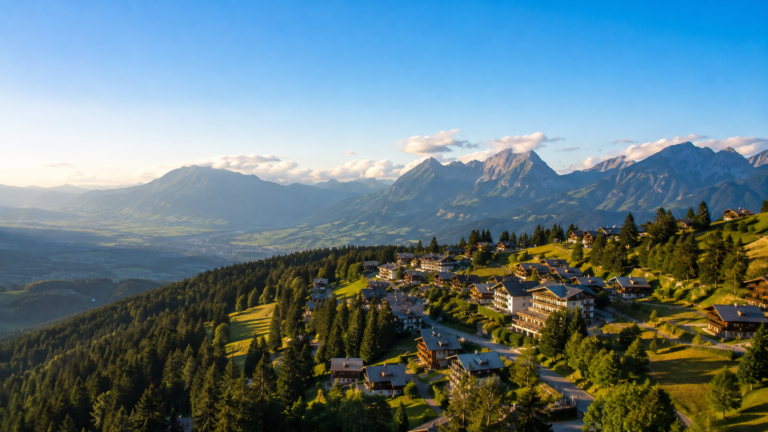
Traditional wooden chalets, family-run businesses, and regional customs remain visible throughout the village. Visitors often encounter a community that balances hospitality with authenticity.
Local culture remains closely tied to the mountains. Seasonal agricultural practices, traditional events, and regional cuisine continue to play meaningful roles in everyday life.
This cultural continuity helps distinguish Kandersteg from destinations that have become heavily commercialized. Travelers often appreciate the sense that the village remains connected to its roots rather than existing solely for tourism.
The result is a welcoming atmosphere that complements the surrounding natural beauty.
Arriving in Kandersteg
Kandersteg is easily accessible via Switzerland’s efficient rail network. Direct train services connect the village with major transportation hubs throughout the country, making it a convenient destination for both short visits and longer stays.
The village also serves as an important railway point because of the Lötschberg route through the Alps.
Once in Kandersteg, many attractions can be reached using a combination of walking routes, mountain transportation systems, and public transport services. This accessibility allows visitors to explore extensively without relying heavily on private vehicles.
Travelers planning mountain excursions should prepare for changing weather conditions and bring suitable clothing, even during summer months.
For those seeking Switzerland’s classic Alpine landscapes, few destinations offer a more complete experience than Kandersteg. Between its world-famous lake, extensive hiking opportunities, traditional village atmosphere, and dramatic mountain scenery, the destination captures many of the qualities that have made the Swiss Alps legendary. Whether arriving for a day trip or a longer stay, visitors often leave with a deeper appreciation for the natural beauty and cultural heritage of the Bernese Oberland.