Greta Thunberg to Join Zurich Film Festival Discussion on Western Sahara Documentary
The Zurich Film Festival has added an unexpected guest to its 2026 program, announcing that climate activist Greta Thunberg will participate in a public discussion focused on Western Sahara following the world premiere of a new documentary examining the region’s long-running political and humanitarian challenges. The appearance introduces an international activist voice to one of the festival’s most politically significant documentary events this year.
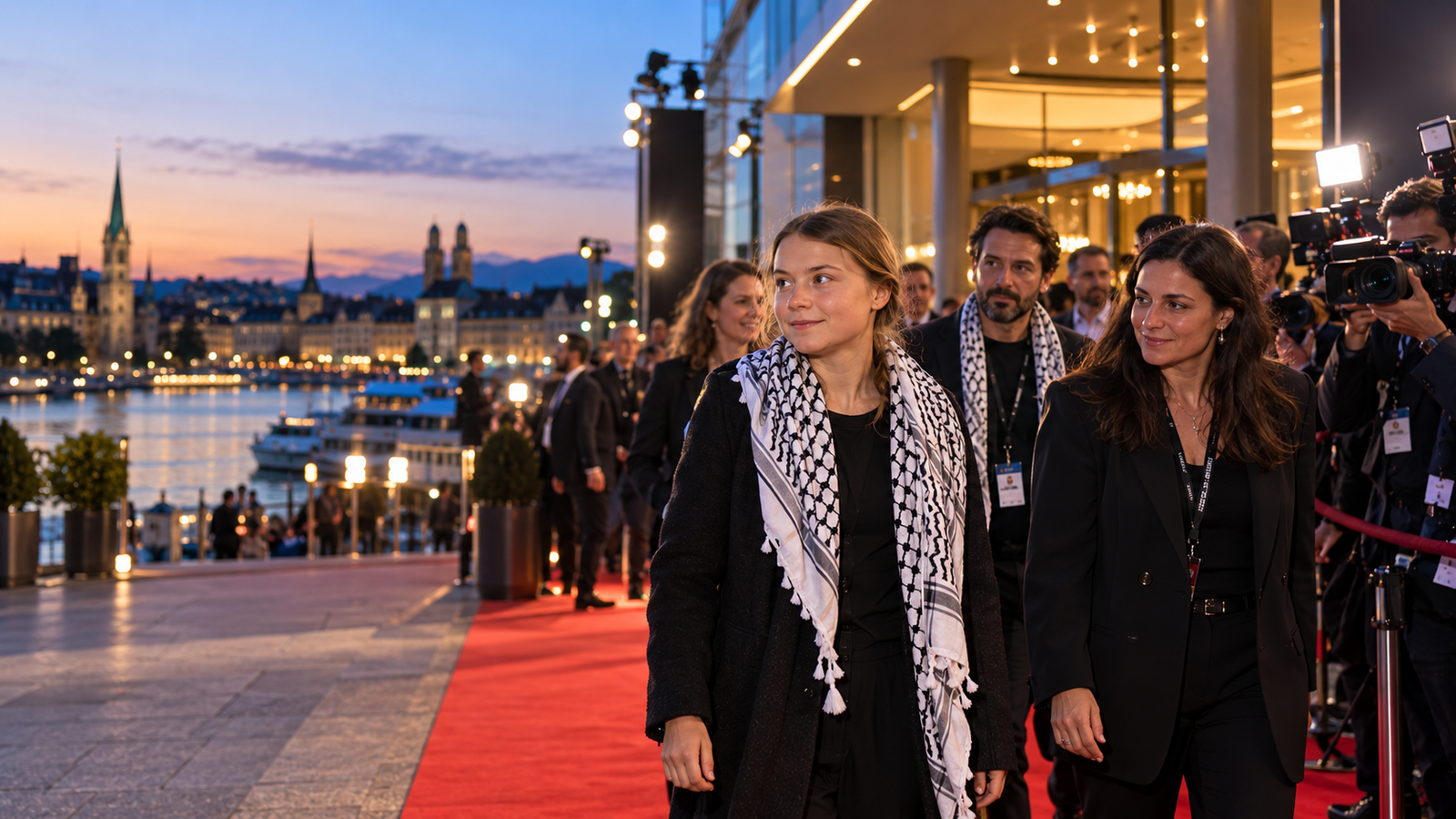
Festival organizers confirmed that Thunberg will take part in a question-and-answer session after the premiere screening of My Home of Wind and Sand, a documentary directed by filmmaker Patrick Wally. The event was added through a late program adjustment revealed shortly before the scheduled screening, drawing immediate attention from festival attendees and international media observers.
The documentary centers on Sahrawi activist Najla Mohamed Lamin and follows her life over a decade. According to festival information, the film traces her journey from refugee camp origins to becoming an advocate for her people while balancing family responsibilities and responding to renewed tensions linked to the Western Sahara conflict. The project aims to provide a long-term perspective on a region that often receives limited international attention despite decades of political uncertainty.
Western Sahara remains one of the world’s most disputed territories. The conflict has shaped the lives of generations of Sahrawis, many of whom continue to live in refugee camps outside the territory. Human rights organizations, international institutions and diplomatic observers have repeatedly highlighted the unresolved status of the region and the challenges faced by displaced populations.
Festival organizers said the screening will bring together several key figures connected to the film, including Lamin, director Patrick Wally and Thunberg. Following the premiere, journalist and moderator Sylvia Valentin will lead a discussion exploring the documentary’s themes and allow audience members to engage directly with participants. Thunberg is also expected to answer questions during the session.
Although globally recognized for her climate activism, Thunberg has increasingly linked environmental issues with broader discussions surrounding social justice, indigenous rights and humanitarian concerns. Her participation in the Zurich event reflects that wider advocacy approach rather than a traditional climate-focused appearance.
According to reports referenced by Swiss media, Thunberg visited a Sahrawi refugee camp in 2025. Since that visit, she has publicly highlighted connections between environmental pressures, social inequality and the experiences of displaced communities in Western Sahara. Organizers indicated that these experiences contributed to her involvement in the Zurich discussion.
The appearance comes at a time when documentary filmmakers and international festivals are increasingly using cinema as a platform to examine underreported global issues. Over the past decade, major film festivals have expanded programming dedicated to human rights, migration, environmental challenges and geopolitical conflicts, creating opportunities for activists, journalists and policymakers to engage with audiences beyond traditional political forums.
For the Zurich Film Festival, the event represents an opportunity to spotlight a film that addresses a complex international issue through a personal narrative. Rather than focusing exclusively on political negotiations or diplomatic developments, the documentary reportedly follows everyday experiences and long-term personal commitments, providing viewers with a human-centered perspective on the conflict.
Thunberg’s presence is also likely to increase international visibility for the screening. Since emerging as a leading voice in the global climate movement, she has remained one of the most recognizable activists of her generation. Her participation often attracts media coverage that extends beyond the immediate subject of an event, potentially drawing greater attention to issues that might otherwise receive limited public exposure.
The Zurich Film Festival has frequently hosted discussions involving filmmakers, activists, academics and public figures alongside premieres of socially relevant films. Such conversations have become an increasingly important component of contemporary film festivals, allowing audiences to engage directly with the real-world issues presented on screen.
While the documentary premiere is expected to be the focal point of the event, the post-screening discussion may offer broader insights into the relationship between activism, storytelling and public awareness. Participants are expected to explore how personal narratives can help explain complex international disputes and how cultural platforms can contribute to global conversations about human rights and displacement.
For audiences attending the festival, the event brings together documentary filmmaking and contemporary activism in a single forum. It also places renewed attention on Western Sahara, a subject that remains less prominent in international headlines than many other global conflicts despite its long history and continuing impact on affected communities.
As the festival prepares for the premiere, organizers are anticipating strong interest in both the film and the accompanying discussion. With Thunberg, Lamin and Wally appearing together, the event is set to become one of the most closely watched documentary presentations of this year’s Zurich Film Festival, highlighting the role of cinema in bringing overlooked international issues into public view.