
Brienzer Rothorn, Brienz, Switzerland
Brienzer Rothorn: Ride Switzerland’s Historic Steam Railway to One of the Alps’ Great Viewpoints
Few mountain excursions in Switzerland combine history, engineering, and Alpine scenery as dramatically as Brienzer Rothorn. Rising above the turquoise waters of Lake Brienz in the Bernese Oberland, this celebrated summit has been attracting travelers for generations with its sweeping panoramas and one of the country’s most remarkable railway journeys.
Unlike many modern mountain destinations reached by sleek cable cars, Brienzer Rothorn remains closely linked to the golden age of Alpine tourism. The mountain is famous for its historic steam-powered cogwheel railway, a nostalgic experience that transforms the journey into a major attraction in its own right.
For visitors seeking spectacular views, memorable photography opportunities, mountain hiking, or a classic Swiss travel experience, Brienzer Rothorn delivers a combination that remains difficult to match anywhere in the Alps.
A Mountain That Dominates the Landscape
Brienzer Rothorn stands on the boundary region between the cantons of Bern, Lucerne, and Obwalden. The summit rises to approximately 2,350 meters (7,710 feet) above sea level and occupies a commanding position above Lake Brienz.
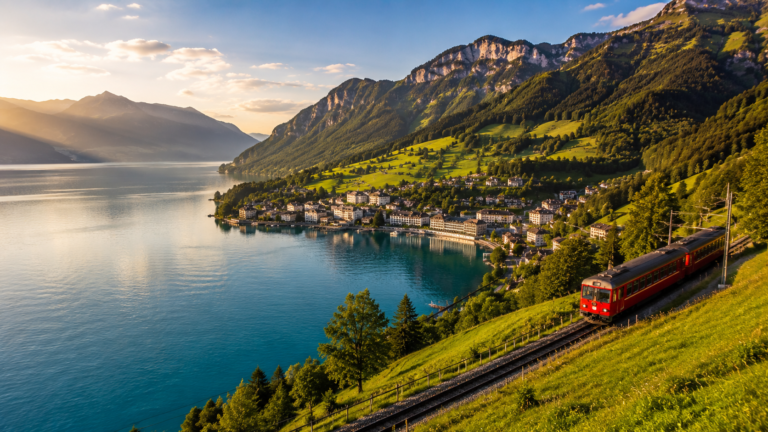
From below, the mountain forms a dramatic backdrop to the lakeside village of Brienz. From above, the summit reveals an extraordinary panorama extending across large sections of central Switzerland and the Bernese Alps.
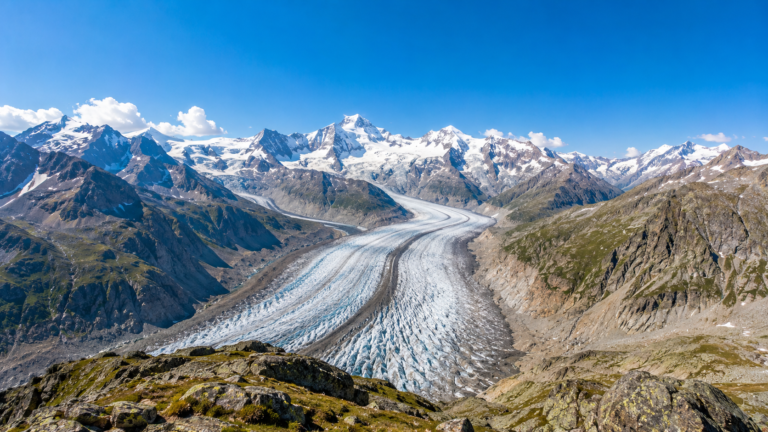
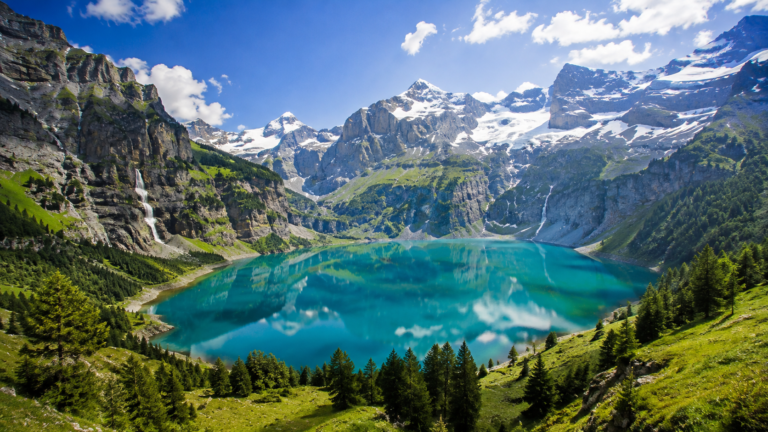
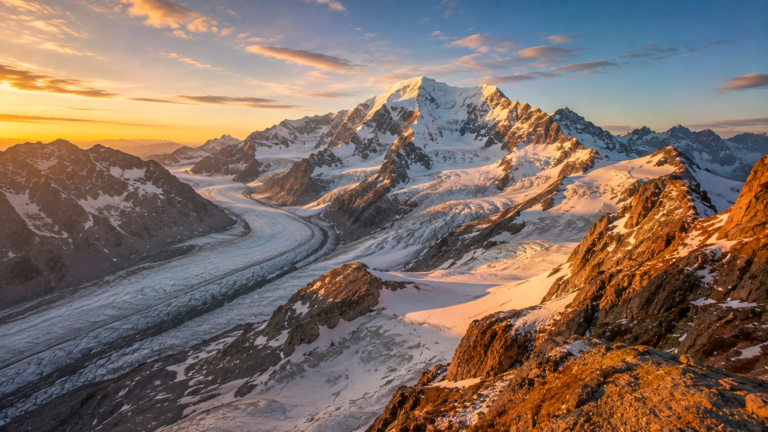
On clear days, visitors can admire iconic peaks including Eiger, Mönch, and Jungfrau, while countless additional mountain summits stretch across the horizon. The contrast between rugged Alpine terrain and the vivid blue-green waters of Lake Brienz creates one of the most photogenic landscapes in Switzerland.
The Story Behind the Mountain Railway
Long before modern tourism developed, Brienzer Rothorn was already recognized as an outstanding natural viewpoint. During the nineteenth century, interest in mountain travel increased rapidly throughout Switzerland, inspiring ambitious railway projects designed to bring visitors into the high Alps.
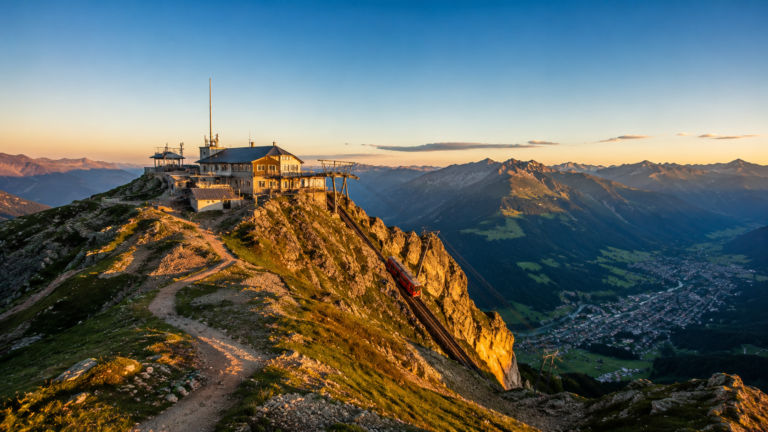
The Brienz Rothorn Railway opened in 1892 and remains one of Switzerland’s most celebrated historic railways. The line was built during an era when mountain railways represented remarkable engineering achievements and played a major role in the growth of Swiss tourism.
What makes the railway especially unique today is that it continues to operate with steam locomotives. The rhythmic sounds of steam engines, the scent of coal-fired machinery, and the sight of classic red carriages create an atmosphere that feels connected to another era of travel.
More than a century after its opening, the railway remains one of the defining symbols of Brienzer Rothorn.
The Journey Is Part of the Experience
Many visitors consider the ascent itself to be the highlight of a trip to Brienzer Rothorn.
The railway departs from Brienz and gradually climbs the mountainside through forests, Alpine meadows, rocky slopes, and increasingly open terrain. The route covers approximately 7.6 kilometers and takes around one hour to reach the upper station.
As the train gains elevation, the scenery continually changes. Dense woodland gives way to broad mountain views, while Lake Brienz appears farther below with every passing minute. Open-air carriages on many departures allow travelers to fully appreciate the sounds, scents, and atmosphere of the mountain environment.
One notable stop along the route is Planalp, where locomotives traditionally replenish water supplies before continuing the climb. The stop also provides an opportunity to admire the surrounding landscape and observe the workings of the historic railway.
By the time passengers arrive near the summit, the experience feels less like transportation and more like a journey through Swiss Alpine history.
Panoramas That Stretch Across Switzerland
The greatest reward awaits at the top.
A short walk from the mountain station leads visitors toward the summit area, where panoramic views unfold in nearly every direction. Vast Alpine ridges, deep valleys, distant lakes, and snow-covered peaks combine to create an unforgettable setting.
The Bernese Alps dominate much of the skyline, while Lake Brienz glows below with its distinctive turquoise color. In favorable weather conditions, visibility extends far across multiple regions of Switzerland.
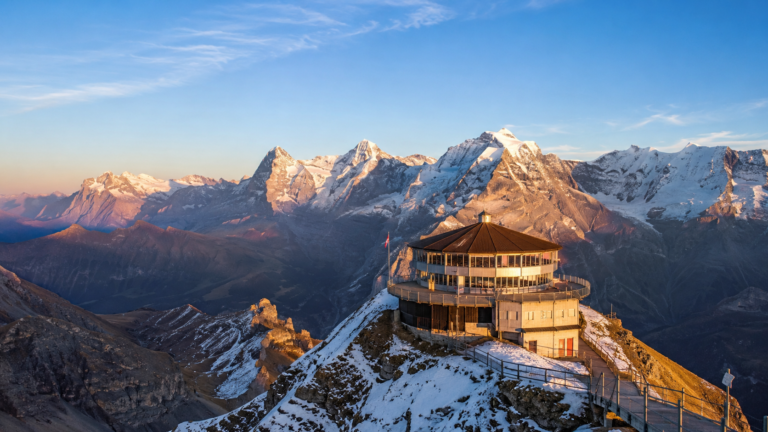
Photographers often arrive early or stay late to capture changing light conditions across the landscape. Sunrise and sunset can transform the mountain scenery into a remarkable display of colors, shadows, and reflections.
The summit’s elevated position provides a sense of scale that is difficult to appreciate from lower elevations, making it one of the most rewarding viewpoints in the region.
Hiking Opportunities Around the Summit
Brienzer Rothorn is not only a railway destination but also an important hiking area.
Numerous trails connect the mountain with neighboring ridges, Alpine pastures, and surrounding valleys. Some routes are suitable for casual walkers seeking scenic viewpoints, while others attract experienced hikers looking for longer mountain adventures.
The summit serves as a gateway to high-altitude landscapes where visitors can explore traditional Alpine environments characterized by wildflowers, rocky terrain, and expansive mountain scenery.
Because conditions can change rapidly in the Alps, proper footwear, weather-appropriate clothing, and route planning remain essential for anyone venturing beyond the main visitor areas.
Wildlife and Natural Beauty
The mountain environment surrounding Brienzer Rothorn supports a variety of Alpine wildlife and plant species.
One of the most sought-after sightings is the Alpine ibex, an iconic symbol of Switzerland known for its impressive curved horns and ability to navigate steep terrain. Visitors occasionally spot these animals on rocky slopes near the summit.
The area also offers opportunities to observe Alpine birds, seasonal wildflowers, and changing mountain ecosystems that vary according to elevation.
These natural elements add another dimension to the experience, complementing the historic railway and dramatic scenery.
When to Visit
The most popular season for visiting Brienzer Rothorn is summer and early autumn.
During these months, the mountain railway operates to the summit, hiking trails are generally accessible, and visibility is often at its best. Summer brings lush green landscapes, while autumn can introduce vibrant seasonal colors and crisp mountain air.
Weather conditions can change quickly in Alpine environments, making advance planning important. Clear days provide the most rewarding panoramas, while cloudy conditions may limit visibility despite creating dramatic atmospheric scenes.
Visitors hoping to enjoy extensive views should consider checking mountain forecasts before traveling.
Getting There
Brienzer Rothorn is easily accessible from the village of Brienz in the Bernese Oberland.
Brienz can be reached by rail from major Swiss destinations, including Interlaken and Lucerne. From the railway station, travelers can connect directly to the Brienz Rothorn Railway for the ascent.
An alternative route to the mountain is available from the Sörenberg side via cableway, offering another way to reach the summit region.
This accessibility makes Brienzer Rothorn a practical day-trip destination while still delivering a true high-Alpine experience.
Why Brienzer Rothorn Remains a Swiss Classic
Switzerland is filled with famous mountain excursions, yet Brienzer Rothorn occupies a special place among them.
Its appeal goes beyond scenery alone. Visitors experience a rare combination of living railway heritage, dramatic mountain landscapes, panoramic viewpoints, outdoor recreation, and authentic Alpine character.
The historic steam locomotives create a sense of nostalgia that modern transportation cannot replicate, while the summit delivers views worthy of Switzerland’s reputation as one of the world’s great mountain destinations.
For travelers exploring the Bernese Oberland, Brienzer Rothorn offers far more than a mountain visit—it provides a journey through the history, beauty, and enduring spirit of the Swiss Alps.