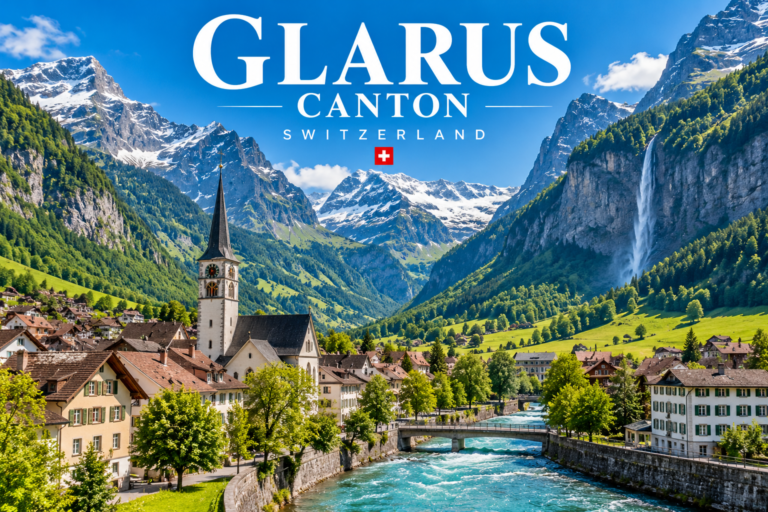

Appenzell Innerrhoden Canton
Introduction
Tucked into northeastern Switzerland, Appenzell Innerrhoden offers a distinctive combination of Alpine scenery, traditional architecture, rural life, and living cultural heritage. Although it is one of Switzerland’s smallest cantons, it offers an extraordinary range of experiences, from colourful village streets and historic religious buildings to rugged mountain trails, peaceful alpine lakes, and traditional cheese-making.
Unlike Switzerland’s larger urban centres, Appenzell Innerrhoden invites visitors to slow down and appreciate a more traditional side of Swiss life. The main village of Appenzell is famous for its decorated house façades, independent shops, regional specialities, and strong community identity. Beyond the village, the Alpstein mountain region reveals steep limestone peaks, green pastures, mountain inns, and spectacular viewpoints.
For travellers searching for things to do in Appenzell Innerrhoden, the canton offers much more than attractive scenery. Its customs, distinctive political traditions, local food, and close relationship with the surrounding landscape make it a rewarding destination for cultural travellers, hikers, photographers, and anyone seeking a different perspective on Switzerland.
Quick Facts About Appenzell Innerrhoden
| Fact | Information |
|---|---|
| Official Name | Kanton Appenzell Innerrhoden |
| Capital | Appenzell |
| Largest Settlement | Appenzell |
| Area | Approximately 173 km² |
| Population | 16,960 at 31 December 2025 |
| Official Language | German |
| Highest Point | Säntis, 2,502 metres, on the cantonal border |
| Lowest Point | Approximately 550 metres; exact reference point depends on the geographic definition |
| Joined Swiss Confederation | 1513 |
| Vehicle Registration Code | AI |
| Administrative Districts | 5 |
Population: official cantonal figures for 31 December 2025. Area and geographic figures are rounded; boundary-based elevations can vary by reference source.
Where Is Appenzell Innerrhoden Located?
Appenzell Innerrhoden lies in northeastern Switzerland, in the wider Appenzellerland region between the Alpstein massif and the Lake Constance area. It is surrounded by the neighbouring canton of Appenzell Ausserrhoden and the canton of St. Gallen. It has no international border.
Its location makes the canton a convenient destination for travellers exploring eastern Switzerland. Visitors can combine a stay in Appenzell with excursions to St. Gallen, the Lake Constance region, and other nearby destinations.
The canton’s small size is an advantage for visitors who want to experience village culture and mountain scenery during the same trip. A morning spent exploring Appenzell’s historic centre can be followed by an afternoon excursion towards Wasserauen or a longer hike into the Alpstein.
Geography and Landscape

The landscape of Appenzell Innerrhoden changes noticeably over short distances. Gently rolling meadows, traditional farmhouses, wooded slopes, and small settlements characterise the lower countryside. Further south, the terrain rises into the dramatic limestone peaks of the Alpstein, creating one of the most recognisable mountain landscapes in eastern Switzerland.
The Alpstein includes prominent peaks, deep valleys, and natural viewpoints that attract hikers throughout the warmer months. The Säntis is the region’s best-known summit, while the Ebenalp and Hoher Kasten are popular destinations for panoramic views.
Mountain lakes add another dimension to the scenery. Seealpsee, surrounded by steep slopes and alpine pastures, is among the canton’s most celebrated natural attractions. Streams and the Sitter river system also contribute to the region’s landscape and agricultural life.
These geographical contrasts have influenced local livelihoods for generations. Farming, dairy production, seasonal movement of cattle to alpine pastures, and mountain hospitality remain important parts of the region’s identity.
History of Appenzell Innerrhoden
The history of Appenzell Innerrhoden is closely connected to rural settlement, religious institutions, and the development of local self-government.
Early Settlement and the Medieval Period
During the Middle Ages, the area developed through farming communities and ecclesiastical influence. The name Appenzell is associated with the historical relationship between the settlement and the Abbey of St. Gall, whose influence extended across parts of the surrounding region.
Over time, local communities sought greater independence from external authorities. Conflicts over rights, taxation, and political control helped shape the development of the Appenzell territory.
The Appenzell Conflicts and Swiss Confederation
In the late Middle Ages, disputes with the Abbey of St. Gall contributed to the Appenzell Wars of the early fifteenth century. These conflicts were important in the region’s gradual movement towards greater political autonomy.
Appenzell joined the Swiss Confederation in 1513, becoming its thirteenth member at the time.
The Division of 1597
One of the most significant events in the canton’s history was the division of Appenzell in 1597 into two separate territories: Catholic Appenzell Innerrhoden and predominantly Protestant Appenzell Ausserrhoden. The division followed religious differences associated with the Reformation.
The distinction between the two half-cantons remains an important part of the region’s identity. Today, Appenzell Innerrhoden preserves its own institutions, traditions, and administrative structures within the Swiss federal system.
Modern Development
Modern Appenzell Innerrhoden combines rural traditions with contemporary public services, education, businesses, and tourism. Its historic village, agricultural landscapes, and traditional political culture remain central to its public image, while transport links make the region accessible to visitors from across Switzerland.
Culture and Traditions

Appenzell Innerrhoden is one of Switzerland’s most distinctive cultural regions. Its identity is shaped by Catholic traditions, rural life, folk music, regional dress, craftsmanship, and a strong sense of community.
Landsgemeinde: A Living Political Tradition
One of the canton’s most remarkable traditions is the Landsgemeinde, a public assembly in which eligible citizens gather to vote on cantonal matters by a show of hands. This form of direct democracy reflects a longstanding tradition of public participation in political decision-making.
The Landsgemeinde is not simply a tourist performance; it is part of the canton’s political heritage. Visitors interested in Swiss democracy can learn how local traditions have shaped the country’s broader political culture.
Folk Music and Traditional Dress
Traditional music, including yodelling and regional instrumental performances, remains associated with Appenzell. Local festivals and cultural gatherings offer opportunities to encounter these traditions in their community setting.
Traditional clothing is also visible at selected celebrations and ceremonial events. Rather than being merely decorative, it reflects the region’s historical relationship with agriculture, family life, and community identity.
Decorated Houses and Craftsmanship
Appenzell village is particularly recognisable for its painted façades, wooden details, and carefully maintained historic buildings. Independent shops and local crafts add to the character of the centre.
Seasonal cattle processions, when farmers bring decorated animals between alpine pastures and valley farms, are another highlight of the region’s cultural calendar. Dates vary, so visitors should check local event information before travelling.
Major Towns and Settlements
Appenzell Innerrhoden does not have large cities. Its settlements are organised through districts, making the canton different from places where municipal towns form the main administrative units.
1. Appenzell
Appenzell is the cantonal capital and the principal destination for most visitors. Its compact centre features colourful buildings, traditional shops, restaurants, cafés, and historic religious architecture.
The village is an excellent starting point for learning about regional customs, tasting local food, and arranging excursions into the Alpstein. Visitors can explore on foot, making it easy to combine sightseeing with shopping and a relaxed meal.
2. Wasserauen
Wasserauen is a key gateway to the Alpstein mountains. It is especially important for visitors heading to Ebenalp, Seealpsee, and the surrounding hiking trails.
The Appenzell railway connects the area with the wider regional transport network. From Wasserauen, travellers can take the cable car to Ebenalp or begin a mountain walk, depending on weather, fitness, and trail conditions.
3. Gonten
Gonten is a rural settlement associated with the rolling countryside and agricultural traditions of Appenzell Innerrhoden. Its surroundings provide a gentler contrast to the steep terrain of the Alpstein.
Visitors interested in countryside walks, traditional farm landscapes, and quieter experiences may enjoy exploring the area.
4. Oberegg
Oberegg is a geographically separate part of Appenzell Innerrhoden, surrounded by territory belonging to Appenzell Ausserrhoden and St. Gallen. Its position illustrates the canton’s unusual territorial history.
It offers a different perspective on the wider Appenzellerland, with rural landscapes and connections to nearby eastern Swiss communities.
5. Schlatt-Haslen and Schwende-Rüte
These districts encompass settlements and landscapes that help define the rural character of the canton. Schwende-Rüte provides access to much of the dramatic Alpstein region, while Schlatt-Haslen represents the quieter countryside beyond the main tourist centre.
Together, the districts demonstrate how much variety a small canton can offer.
Top Attractions in Appenzell Innerrhoden
1. Ebenalp
Ebenalp is one of the canton’s leading mountain destinations. The cable car from Wasserauen climbs from approximately 867 metres to 1,590 metres in around six minutes, providing a convenient route into the Alpine landscape.
At the top, visitors can enjoy mountain views, walking trails, and access to the Wildkirchli caves and the famous Äscher mountain inn. The area is particularly attractive to photographers and hikers.
2. Seealpsee
Seealpsee is a beautiful mountain lake nestled beneath the rugged peaks of the Alpstein. Its clear water, steep surrounding slopes, and peaceful atmosphere make it one of the most photographed places in the region.
Visitors can reach the lake on foot via mountain trails. There are places to eat nearby, and seasonal opportunities for swimming or rowing may be available. The route involves mountain terrain, so appropriate footwear and realistic planning are essential.
3. Äscher Mountain Inn
The Äscher mountain inn is famous for its dramatic position beneath a towering rock face. Its setting combines traditional Alpine hospitality with striking natural scenery.
The inn is accessible on foot from the Ebenalp area, near the Wildkirchli caves. It is a memorable stop for visitors interested in mountain architecture, photography, and hiking. Seasonal opening arrangements apply, and winter access should not be assumed.
4. Wildkirchli Caves
The Wildkirchli caves form a distinctive cultural and archaeological attraction in the Ebenalp area. Archaeological discoveries have included traces associated with Neanderthals and cave bears.
The caves add historical depth to a mountain excursion, connecting the region’s dramatic scenery with evidence of prehistoric human activity. A small museum presents finds from the area.
5. Appenzell Historic Centre
The historic centre of Appenzell is an attraction in its own right. Its painted façades, traditional architecture, local shops, and small streets provide an accessible introduction to regional culture.
Allow time to browse shops selling local products, enjoy a meal, and visit cultural institutions. The village is especially appealing to travellers who want to experience Swiss heritage without committing to a demanding mountain hike.
6. Museum Appenzell
Museum Appenzell explores the canton’s everyday life, traditions, and cultural history. It is a useful stop for understanding the background behind the region’s traditional dress, folk customs, and rural society.
Combining a museum visit with a walk through the village helps visitors see how local heritage is reflected in both objects and the living community.
7. Hoher Kasten
Hoher Kasten is a well-known panoramic mountain destination in the Appenzellerland region. Its summit offers expansive views across the surrounding Alps and, in clear conditions, towards several countries.
It is a strong choice for visitors who want spectacular scenery without planning an entire day of strenuous hiking. Check the operating status of mountain transport before departure.
8. Appenzeller Schaukäserei
The Appenzeller Schaukäserei, or Appenzeller show dairy, introduces visitors to the region’s famous cheese-making tradition. It provides an opportunity to learn about a product closely associated with the identity and economy of the wider Appenzellerland.
It is especially suitable for families and food-focused travellers who want an indoor cultural experience alongside outdoor sightseeing.
Nature and Outdoor Activities
The Alpstein is the main attraction for outdoor enthusiasts visiting Appenzell Innerrhoden. Its network of mountain paths connects viewpoints, alpine lakes, mountain inns, and high-altitude terrain.
Hiking: Choose from relatively gentle valley walks to demanding mountain routes. The Ebenalp–Wildkirchli–Äscher area is a popular introduction, while longer routes require greater fitness and preparation.
Cycling: Rural roads and selected routes offer opportunities to explore the rolling countryside. Mountain biking and road cycling require attention to gradients, traffic, and changing weather.
Winter activities: Snow can transform the higher terrain, but conditions vary considerably. Visitors should check local reports before planning winter walks or other snow-based activities.
Photography and wildlife observation: The combination of meadows, limestone peaks, traditional farms, and mountain lakes provides excellent photographic opportunities. Observe wildlife from a distance and follow local guidance on protected habitats.
Mountain weather can change rapidly. Carry suitable clothing, water, a charged phone, and appropriate footwear, and do not assume that a cable car or mountain restaurant operates every day.
Food and Local Specialties
Food is an important part of the Appenzellerland experience. Dairy farming, mountain pastures, and traditional food production have helped shape the region’s culinary identity.

Appenzeller Cheese
Appenzeller cheese is the region’s best-known speciality. This distinctive Swiss cheese is produced using traditional methods and is recognised for its full flavour. It is enjoyed on cheese boards, with bread, and in cooked dishes.
A visit to the Appenzeller show dairy is a useful way to learn about the production tradition and the importance of dairy farming to the region.
Appenzeller Biberli
Appenzeller Biberli is a traditional regional pastry made with honey-based dough and a sweet filling, often featuring almonds. It is popular as a snack, souvenir, or accompaniment to coffee.
Regional Dairy and Farm Products
Butter, milk, cream, and other dairy products reflect the importance of cattle farming. Seasonal and locally produced foods can also be found in village shops, restaurants, and markets.
For the most authentic culinary experience, try regional specialities at local restaurants and ask about seasonal dishes. Product availability and recipes vary between producers.
Economy and Industry
Appenzell Innerrhoden has a small, diverse economy in which agriculture, small and medium-sized businesses, manufacturing, services, and tourism all play roles.
Agriculture remains especially visible in the landscape. Dairy farming and alpine pasture management support regional food traditions and maintain the open meadows that visitors associate with the Appenzellerland.
Local businesses contribute through skilled craftsmanship, food production, retail, and specialised manufacturing. Tourism generates additional activity for accommodation providers, restaurants, cable cars, mountain inns, and cultural attractions.
The canton’s economy benefits from its distinctive regional identity, although its relatively small population and limited land area mean it differs substantially from Switzerland’s major urban and financial centres.
Transportation and Getting Around
Appenzell Innerrhoden can be explored using a combination of trains, buses, walking routes, and mountain cable cars.
Getting There by Train
The Appenzell railway connects the village of Appenzell with the regional network. Travellers can plan journeys from larger Swiss transport hubs, including St. Gallen and other eastern Swiss destinations, using connecting services.
Wasserauen is a particularly useful railway stop for travellers heading into the Alpstein mountains.
Buses and Mountain Transport
Regional buses serve parts of the canton, while cable cars provide access to selected mountain destinations. Services and operating hours vary by season, and mountain transport can be affected by weather or maintenance.
Travelling by Car
Driving provides flexibility for exploring rural settlements, but mountain roads can be narrow and parking may be limited at popular trailheads. Check local parking arrangements before visiting busy destinations.
Nearest Major Airport
Zurich Airport is a practical international gateway for many travellers visiting eastern Switzerland. The onward journey can be completed using rail connections, with the precise route depending on the destination and departure time.
Best Time to Visit Appenzell Innerrhoden
Each season offers a different perspective on the canton. The best time depends on whether you prioritise mountain hiking, cultural events, autumn landscapes, or winter scenery.
Spring
Spring brings greener meadows, flowing streams, and the return of warmer weather. Lower-elevation walks and village sightseeing can be pleasant, although snow may remain on higher trails.
Mountain routes can be muddy, icy, or unsuitable early in the season. Check trail conditions rather than relying on calendar dates alone.
Summer
Summer is an excellent season for hiking, mountain excursions, photography, and exploring the Alpstein. Many visitors head to Ebenalp and Seealpsee, while village cafés and outdoor dining provide opportunities to relax after a walk.
Popular routes can become busy during fine weather, so an early start is often worthwhile.
Autumn
Autumn brings changing foliage, clear-day mountain views, and the possibility of witnessing traditional cattle movements between alpine pastures and valley farms.
Seasonal events are not held on fixed dates every year, so check local calendars before travelling specifically to see them.
Winter
Winter offers snowy mountain scenery and a quieter atmosphere in the village. However, higher trails may be inaccessible or dangerous, and mountain attractions may close for the season.
Winter visitors should plan around current weather, transport operations, and the availability of accommodation and restaurants.
Travel Tips for Visitors
- Currency: Switzerland uses the Swiss franc (CHF). Cards are widely accepted, but carrying some cash can be useful in smaller establishments.
- Language: German is the official language. The local Swiss German dialect is distinctive; English may be understood in tourism settings, but it is not guaranteed everywhere.
- Transport: Check train, bus, and cable-car schedules before leaving, particularly for mountain excursions.
- Footwear: Wear sturdy walking shoes for uneven village streets and proper hiking boots for mountain trails.
- Mountain safety: Check weather forecasts and route conditions. Do not underestimate steep descents or exposed paths.
- Local customs: Be considerate around farms, private property, livestock, and traditional events. Follow posted instructions and keep a respectful distance from animals.
- Opening times: Small shops, museums, mountain inns, and cable cars may have seasonal schedules.
- Accommodation: Staying overnight can make it easier to explore the village and mountains without rushing. Check whether accommodation providers offer regional visitor benefits, including any current Appenzell Holiday Card arrangements.
Interesting Facts About Appenzell Innerrhoden
- It joined the Swiss Confederation in 1513. Appenzell became the Confederation’s thirteenth member at that time.
- It is one of Switzerland’s smallest cantons. Its area is approximately 173 square kilometres.
- The canton is divided into five districts. These are Appenzell, Schwende-Rüte, Schlatt-Haslen, Gonten, and Oberegg.
- It split from Appenzell Ausserrhoden in 1597. Religious differences following the Reformation were central to the division.
- The Landsgemeinde preserves a distinctive democratic tradition. Eligible citizens meet in a public assembly to vote on cantonal matters.
- Appenzell is the cantonal capital. Its colourful historic centre is one of the region’s most recognisable sights.
- The Alpstein is a major outdoor destination. It offers mountain trails, limestone peaks, and lakes such as Seealpsee.
- The Äscher inn has a dramatic location. It is built against a steep rock face beneath the Ebenalp area.
- Regional cheese is internationally recognised. Appenzeller cheese is one of the best-known products associated with the wider Appenzellerland.
- The canton’s traditions remain part of everyday identity. Folk music, agriculture, regional dress, and seasonal cattle processions continue to connect communities with their heritage.
Why Visit Appenzell Innerrhoden?
Appenzell Innerrhoden is an excellent destination for travellers who want to experience a more intimate side of Switzerland. Its appeal lies in the combination of an attractive historic village, a distinctive cultural identity, local food traditions, and a mountain landscape that feels remarkably close to everyday rural life.
For hikers, the Alpstein offers rewarding routes and spectacular scenery. For culture enthusiasts, Appenzell provides a window into regional architecture, folk traditions, and Swiss direct democracy. Food lovers can discover local cheese and pastries, while photographers can capture colourful façades, alpine lakes, and traditional farmhouses.
The canton is also suitable for travellers who prefer smaller destinations to busy cities. A short visit can introduce its main highlights, while an overnight stay allows more time for mountain excursions and local experiences.
Frequently Asked Questions
1. What is Appenzell Innerrhoden famous for?
Appenzell Innerrhoden is famous for its traditional village architecture, Appenzeller cheese, folk music, the Landsgemeinde political assembly, and the spectacular Alpstein mountains, including Seealpsee and Ebenalp.
2. What is the capital of Appenzell Innerrhoden?
Appenzell is the capital and principal settlement of the canton. Its historic centre is known for colourful painted façades, local shops, and traditional architecture.
3. How many days should I spend in Appenzell Innerrhoden?
One day is sufficient for a short visit to Appenzell village and a nearby attraction. Two or three days provide more time for mountain excursions, museums, regional food, and longer hikes, depending on weather and transport schedules.
4. What is the best time to visit Appenzell Innerrhoden?
Summer is generally best for mountain hiking and exploring alpine lakes. Spring and autumn are appealing for village sightseeing and countryside scenery, while winter offers snowy landscapes but can limit mountain access.
5. How do I get to Seealpsee?
Seealpsee is reached on foot via mountain paths in the Alpstein region, commonly from Wasserauen. The hike involves uneven and sometimes steep terrain, so visitors should check current conditions, allow sufficient time, and wear suitable footwear.