Appenzell Ausserrhoden Canton
Introduction
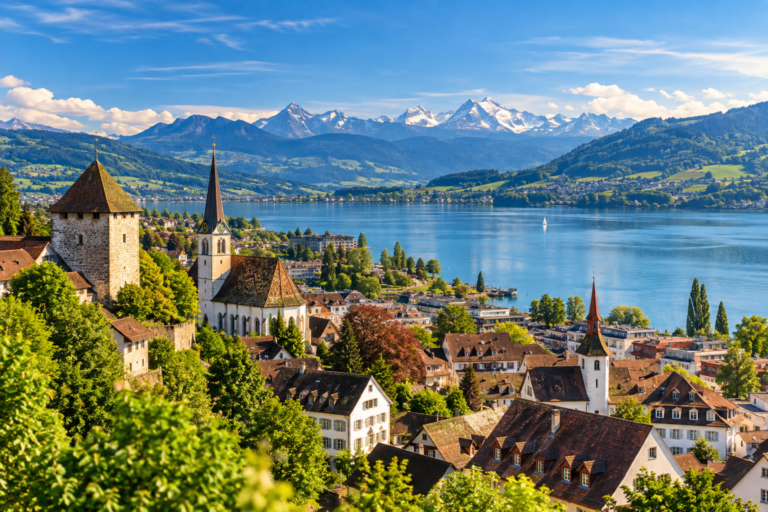
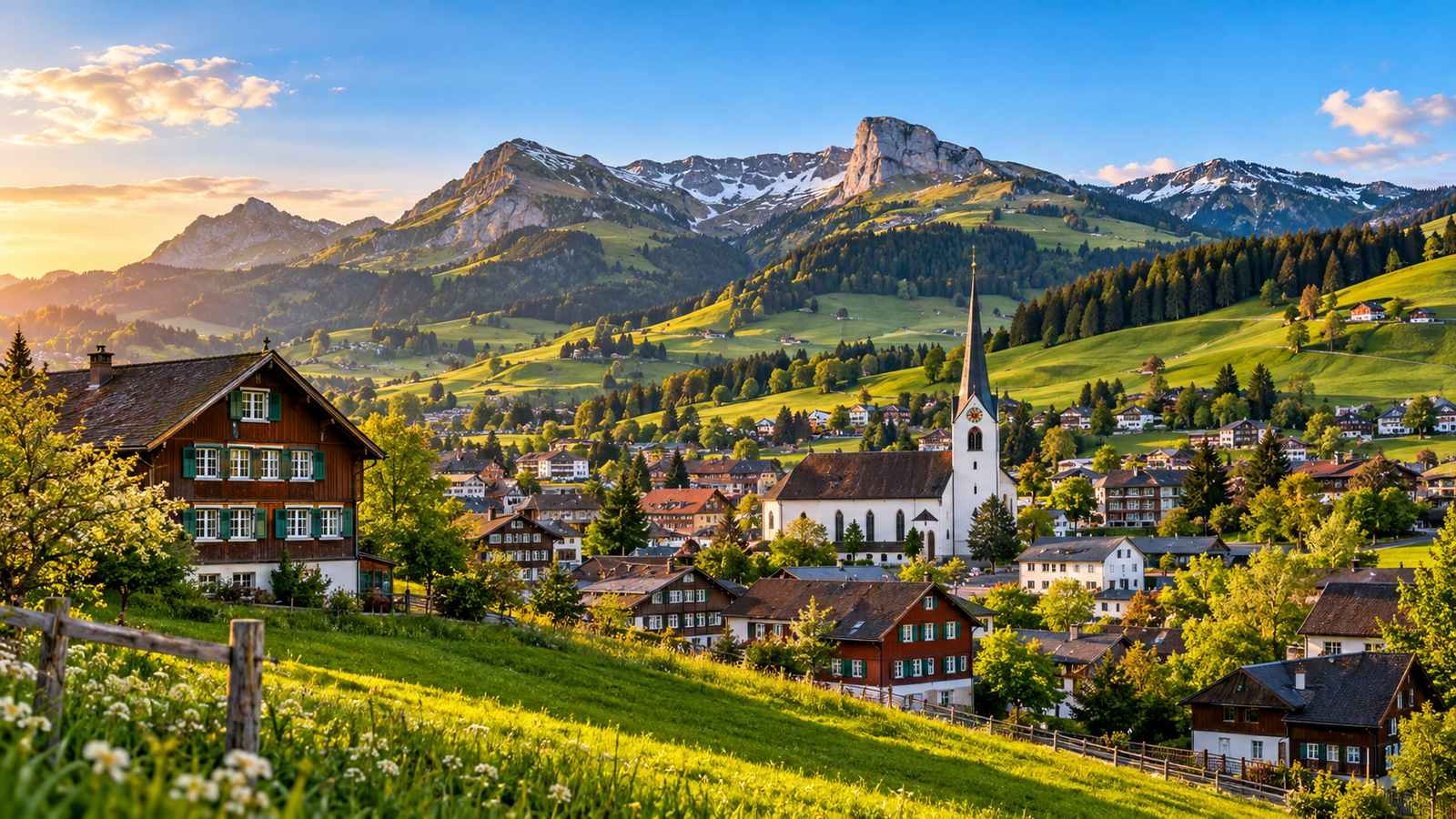
In northeastern Switzerland, where green hills roll towards the distant Alps and traditional farmhouses stand among meadows and forests, Appenzell Ausserrhoden offers a quieter, more intimate side of Swiss life. This small canton combines rural landscapes, distinctive regional traditions, historic village centres and modern communities. It is an appealing destination for travellers who want to discover Switzerland beyond its best-known cities and mountain resorts.
Appenzell Ausserrhoden forms part of the wider Appenzellerland, a cultural region shared with neighbouring Appenzell Innerrhoden. Although the two cantons have separate governments and distinct histories, both are known for their strong local identities, traditional customs and close relationship with the surrounding countryside. The regional landscape extends from the area around Lake Constance towards the hills and mountains of eastern Switzerland.
For visitors, an Appenzell Ausserrhoden travel guide is as much about experiences as individual attractions. You can wander through historic villages, explore local museums, follow walking trails across pastoral landscapes, sample regional cheese and enjoy viewpoints overlooking the eastern Swiss countryside. The canton is particularly suited to travellers who appreciate authentic culture, gentle outdoor adventures and places where local traditions remain part of everyday life.
Quick Facts About Appenzell Ausserrhoden
| Fact | Information |
|---|---|
| Official Name | Kanton Appenzell Ausserrhoden |
| Capital | Herisau |
| Largest Town | Herisau |
| Area | 243 km² |
| Population | 56,854 residents, as of 1 January 2025 |
| Official Language | German |
| Highest Point | Säntis, 2,502 m above sea level, on the cantonal reference profile |
| Lowest Point | Lutzenberg area, approximately 450 m above sea level |
| Joined Swiss Confederation | 1513, as part of the united Appenzell territory |
| Vehicle Registration Code | AR |
| Number of Municipalities | 20 |
Source: Canton of Appenzell Ausserrhoden, official 2025–2026 facts and figures. The historical accession date refers to the united Appenzell territory before its division in 1597.
Where Is Appenzell Ausserrhoden Located?
Appenzell Ausserrhoden lies in northeastern Switzerland, close to the city of St. Gallen and within easy reach of Lake Constance. Its location makes it a convenient destination for visitors exploring eastern Switzerland, particularly those travelling between St. Gallen, the Appenzellerland and the Lake Constance region.
The canton is surrounded by the canton of St. Gallen and borders Appenzell Innerrhoden in parts of the wider regional landscape. It has no international border of its own. However, Austria and Germany are accessible from the surrounding Lake Constance region, making cross-border excursions possible.
St. Gallen is an important nearby urban centre for shopping, transport connections, education and cultural visits. Herisau, the cantonal capital, provides a practical base for exploring the region’s villages and countryside. The canton is also connected to the broader Swiss railway and road networks, allowing travellers to combine rural excursions with visits to larger cities.
Geography and Landscape

The defining landscape of Appenzell Ausserrhoden is its sequence of green hills, cultivated fields, wooded slopes and scattered farmsteads. Unlike Switzerland’s high Alpine cantons, where dramatic peaks often dominate every view, much of Ausserrhoden has a softer, more pastoral character. Roads and walking paths wind between villages, revealing changing perspectives over the countryside.
The southern horizon is influenced by the Alpstein mountain region and the prominent Säntis massif. While much of the canton consists of inhabited hills and valleys, the wider Appenzellerland provides access to more rugged mountain scenery. To the north, the landscape opens towards Lake Constance and the Rhine Valley.
Small streams, forested ravines, meadows and agricultural land shape the natural environment. These features also influence how people live and work. Farming, livestock keeping and the production of regional foods remain important elements of the area’s identity, while the attractive scenery supports hiking, cycling and rural tourism.
The canton covers approximately 243 square kilometres, so visitors can explore several contrasting landscapes without travelling long distances. Its compact size makes it particularly suitable for day trips and short breaks based in Herisau or one of the smaller villages.
History of Appenzell Ausserrhoden
Early settlement and the medieval period
The history of Appenzell Ausserrhoden is closely connected with the development of the wider Appenzell territory. During the Middle Ages, local communities developed within a landscape shaped by agriculture, religious institutions and relationships with neighbouring settlements. The people of the region gradually established stronger political and economic ties with surrounding communities.
The nearby city of St. Gallen played an important role in regional development, particularly through its commercial connections and textile trade. These links later became significant for the growth of manufacturing and commerce in Ausserrhoden.
Joining the Swiss Confederation
In 1513, Appenzell became the thirteenth member of the Old Swiss Confederacy. At that time, Appenzell was still a united territory rather than the two separate cantons recognised today. Its admission marked an important stage in the political history of the region.
The division of 1597
One of the most consequential events in Appenzell history was the division of the territory in 1597. Religious differences intensified following the Protestant Reformation, and the region was ultimately separated into two political communities: predominantly Protestant Appenzell Ausserrhoden and predominantly Catholic Appenzell Innerrhoden.
This division shaped the institutions, religious history and regional identities of both cantons. Their shared cultural heritage nevertheless remains visible throughout the Appenzellerland, particularly in traditional architecture, music, food and rural customs.
Textile manufacturing and modern development
During subsequent centuries, textile production, embroidery and related industries became important sources of employment and commercial activity in Appenzell Ausserrhoden. The region’s economic relationships with St. Gallen helped connect local producers to wider markets.
Today, the canton combines a varied modern economy with agriculture, healthcare, manufacturing and services. Historic villages and cultural traditions continue to contribute to its appeal, while improved transport connections make it accessible to residents, businesses and visitors.
Culture and Traditions

Culture is one of the strongest reasons to visit Appenzell Ausserrhoden. The region’s traditions reflect centuries of rural life, local craftsmanship, religious history and community celebrations. Rather than existing only for visitors, many customs remain connected to agriculture, village gatherings and the rhythm of the seasons.
Music and folk traditions
Traditional Appenzell music is an important part of the region’s cultural identity. Folk singing, string instruments and distinctive local musical styles feature at cultural events and community celebrations. Visitors may encounter traditional performances at village festivals, museums and regional events.
The neighbouring Appenzell Innerrhoden shares much of this musical heritage, although individual customs and practices vary across the region.
Architecture and historic villages
Traditional farmhouses, timber buildings, painted façades and carefully maintained village centres give many Appenzell settlements their distinctive appearance. The architecture reflects both agricultural life and the prosperity that developed through regional commerce and textile production.
Trogen is particularly notable for its historic buildings and village square. Throughout the canton, traditional structures coexist with contemporary homes and public buildings, creating a landscape in which history remains visible without making the region feel like an open-air museum.
Seasonal celebrations
Agricultural events, cattle shows and local festivals are opportunities to experience the canton beyond its scenery. These occasions can include music, regional food and community traditions associated with livestock keeping and rural life.
Dates and programmes vary from year to year, so visitors should check the official Appenzellerland tourism calendar before planning a trip around a specific event.
Major Cities and Towns in Appenzell Ausserrhoden
Appenzell Ausserrhoden has 20 municipalities rather than a large network of major cities. Its visitor appeal lies in the combination of a principal urban centre and smaller communities with distinctive landscapes, historic buildings and local attractions.
1. Herisau
Herisau is the capital and largest town of Appenzell Ausserrhoden. It is an important administrative and commercial centre, with railway connections, shops, restaurants and services that make it a convenient starting point for exploring the canton.
The town offers an interesting introduction to the region’s history and everyday life. Visitors can explore its older streets, discover local architecture and use Herisau as a base for walking excursions into the surrounding countryside. It is also a practical stop for travellers moving between St. Gallen and the rural Appenzellerland.
2. Trogen
Trogen is one of the most architecturally distinctive villages in the canton. Its historic centre contains impressive buildings associated with the region’s commercial and civic history. The village is a rewarding destination for travellers interested in Swiss architecture, local heritage and picturesque village settings.
Trogen also lies along the Appenzellerland Culture Trail, a themed route that connects cultural landmarks, historic settlements and other points of interest across the region.
3. Heiden
Heiden sits in the eastern part of the canton, where the surrounding hills offer attractive views towards Lake Constance and the broader eastern Swiss landscape. It is a good choice for visitors seeking scenic walks, a relaxed village atmosphere and access to the region’s network of hiking routes.
The wider area is particularly suitable for excursions that combine countryside views with visits to nearby communities. The Witzweg, a themed walking route, is one of the region’s distinctive recreational options.
4. Urnäsch
Urnäsch is closely associated with Appenzell’s living traditions and rural heritage. It is a worthwhile destination for travellers interested in traditional village life, folk culture and the agricultural landscape.
The Museum of Appenzell Traditions offers an opportunity to learn about local customs and cultural practices. Urnäsch also features on the Säntispanorama cycling route, linking it with other communities and scenic areas of the canton.
5. Gais
Gais is a charming village surrounded by open countryside and rolling hills. Its rural setting makes it suitable for relaxed walks, photography and travellers who want to explore the quieter side of eastern Switzerland.
The village is also well placed for discovering the region’s network of paths and smaller settlements. Rather than focusing on a single major landmark, a visit to Gais is best enjoyed through its scenery, traditional buildings and peaceful atmosphere.
6. Teufen
Teufen combines a settled village environment with attractive views over the surrounding countryside. Its location makes it useful for visitors exploring the central part of Appenzell Ausserrhoden and travelling between communities by public transport.
Teufen also lies along the Appenzellerland Culture Trail, making it a natural stop for travellers interested in linking outdoor activity with local history.
Other municipalities worth exploring include Speicher, Schwellbrunn, Hundwil, Stein, Waldstatt, Walzenhausen, Wolfhalden, Rehetobel, Bühler, Schönengrund, Lutzenberg, Grub, Reute and Wald. Each offers its own combination of countryside, village architecture and access to local walking routes.
Top Attractions in Appenzell Ausserrhoden
1. Säntis and the surrounding mountain scenery

The Säntis is one of eastern Switzerland’s most recognisable mountain landmarks. Its summit reaches approximately 2,502 metres above sea level and provides a dramatic contrast to the green foothills of the Appenzellerland.
The mountain is closely associated with the wider region, although the summit is not located entirely within Appenzell Ausserrhoden. Visitors can plan mountain excursions through the Schwägalp area, check the operating conditions of the Säntis cable car and enjoy the scenery when weather permits.
Because mountain conditions can change rapidly, check current transport operations, visibility and hiking advice before travelling.
2. Trogen’s historic village centre
Trogen’s historic centre is a highlight for visitors who appreciate architecture and cultural history. Its prominent buildings and carefully preserved setting reflect the region’s civic and commercial development.
Allow time to walk through the village rather than simply stopping for photographs. The architectural details and surrounding countryside help explain why historic settlements are such an important part of Appenzell Ausserrhoden’s appeal.
3. Museum of Appenzell Traditions, Urnäsch
The Museum of Appenzell Traditions provides insight into the customs, everyday life and cultural heritage of the region. It is particularly useful for visitors who want to understand the meaning behind local traditions rather than simply observe them at a festival.
Check opening hours and exhibition details before visiting, especially outside the main holiday season.
4. Appenzellerland Culture Trail
The Appenzellerland Culture Trail combines hiking with heritage discovery. Its route passes through villages and landscapes associated with regional history, architecture, transport, literature and local personalities.
The trail is designed as a series of sections, allowing visitors to select a manageable walk rather than complete the entire route in one trip. Route details and distances should be checked against the current official itinerary.
5. Heiden and the Witzweg
The Witzweg, or joke trail, is a themed walking route in the area around Heiden, Wolfhalden and Walzenhausen. It offers a light-hearted way to experience the countryside, making it attractive to families and visitors looking for something different from a conventional mountain hike.
The surrounding region is also known for its viewpoints towards Lake Constance. Combining a walk with time in a village café makes for a relaxed day out.
6. Wenigerweiher and Vögelinsegg
The Wenigerweiher area near Speicher offers a nature-focused excursion through woodland and countryside. Nearby Vögelinsegg is associated with a historic battle, adding a layer of historical interest to the walk.
The route is suitable for visitors who prefer a landscape experience that combines nature, local history and accessible paths rather than a demanding Alpine ascent. Check the official route information for conditions and any temporary closures.
7. Historic Herisau
Herisau is worth exploring for its role as the cantonal capital and for its combination of historic streets, public buildings and modern local life. It is not simply a transport stop: visitors can use it to gain a sense of how the canton functions today.
Allow time for a relaxed walk, a meal and a visit to local cultural sites where opening times permit.
8. Traditional villages and farm landscapes
Some of the best places in Appenzell Ausserrhoden are not single-ticket attractions. Schwellbrunn, Gais, Hundwil and other smaller settlements reward visitors who enjoy walking through rural landscapes and observing traditional architecture.
These villages are particularly appealing in clear weather, when the rolling hills, farms and distant mountains create some of the region’s most characteristic views.
Nature and Outdoor Activities

Outdoor activity is central to the appeal of Appenzell Ausserrhoden. The canton and the wider Appenzellerland offer walking routes for different fitness levels, from gentle countryside strolls to longer excursions across hills and into more mountainous terrain.
Hiking
Hiking is one of the best ways to explore the canton. Official regional tourism information lists hundreds of kilometres of walking routes across the Appenzellerland, connecting villages, forests, meadows and viewpoints. Some routes focus on cultural landmarks, while others emphasise scenery and nature.
For an easier outing, choose a village-to-village route with manageable elevation changes. More experienced walkers can select longer sections of the Culture Trail or plan excursions towards the surrounding mountain region.
Cycling and e-biking
The Säntispanorama-Route is a notable option for cyclists and e-bike users. The published route runs through places including Herisau, Schwellbrunn, Urnäsch, Hundwil and Stein, offering a combination of countryside views and cultural stops.
The listed route is approximately 47 kilometres long, so visitors should consider their fitness, elevation changes and available daylight before attempting the complete circuit.
Winter activities
When snow conditions are suitable, the region offers opportunities for snowshoeing and sledging. The character of winter recreation varies with altitude and weather; not every lowland path will be snowy throughout the season.
Check local reports before setting out, carry suitable footwear and avoid exposed mountain routes when conditions are poor. The official tourism website provides seasonal activity information.
Nature and wildlife
Woodlands, streams, meadows and agricultural landscapes support a range of local wildlife. Visitors can enjoy nature through quiet walking routes and observation of the changing countryside. Stay on marked paths, respect grazing animals and follow any instructions in protected areas.
Food and Local Specialties

Food is an important part of the Appenzellerland experience. Regional products reflect the area’s agricultural heritage, while traditional recipes connect local ingredients with everyday Swiss cooking.
Appenzeller cheese
Appenzeller cheese is one of the best-known products associated with the region. It is a firm Swiss cheese traditionally made from cow’s milk and known for its distinctive flavour. Cheese dairies and regional food experiences can provide insight into its production, although individual producers and tours have their own arrangements.
Appenzeller Biber
Appenzeller Biber is a traditional sweet associated with the wider Appenzell region. It is a spiced honey cake, commonly filled with an almond preparation. It makes a good edible souvenir for travellers interested in regional specialities.
Traditional Swiss meals
Local restaurants and inns often serve familiar Swiss dishes such as rösti, seasonal soups, cheese-based meals and meat dishes. Menus vary by establishment and season, so visitors should explore local restaurants rather than expect every dish to be available everywhere.
Farm products and seasonal food
The rural landscape supports dairy farming and other agricultural activities. Depending on the season and producer, visitors may find local dairy products, baked goods and other regional specialities at shops, markets and farms.
For the most authentic experience, combine a countryside excursion with lunch at a traditional inn or a visit to a regional producer.
Economy and Industry
Appenzell Ausserrhoden has an economy shaped by its rural heritage, manufacturing traditions and modern service industries. Although the canton is relatively small, it has a diverse economic base and benefits from its proximity to St. Gallen and the wider eastern Swiss economy.
Manufacturing and textiles: Textile production, embroidery and related trades played a significant role in the canton’s historical development. Manufacturing remains part of its economic landscape, alongside other specialised businesses.
Agriculture and food production: Dairy farming, livestock keeping and regional food production maintain strong links between the local economy and the countryside. Appenzeller cheese is an internationally recognised example of the region’s food heritage.
Healthcare and services: Healthcare, education, administration, retail and other service industries provide employment throughout the canton. The official cantonal profile also highlights infrastructure, education and healthcare as important foundations for regional development.
Tourism: Tourism supports accommodation providers, restaurants, local transport and cultural attractions. Compared with Switzerland’s major resort destinations, Appenzell Ausserrhoden is particularly suited to walking holidays, cultural visits and short countryside breaks.
Transportation and Getting Around
Getting around Appenzell Ausserrhoden is relatively straightforward thanks to its public transport network and connections with St. Gallen.
By train
Herisau is a useful railway gateway to the canton. Train services connect the area with St. Gallen and other destinations in eastern Switzerland. Travellers can plan journeys using the official Swiss Federal Railways timetable.
By bus and regional transport
Regional buses and local railway services connect many of the smaller communities. However, connections and departure frequencies differ by route, particularly in rural areas and during evenings or weekends.
Plan your return journey before setting off on a village-to-village hike.
By car
The canton is accessible by road from St. Gallen and the wider Swiss motorway network. A car can be useful for reaching remote trailheads or visiting several villages in a single day, although parking availability varies by destination.
By air
St. Gallen–Altenrhein Airport is a regional airport near Lake Constance. Zürich Airport is another option, with onward connections by train. The best airport depends on your origin, flight availability and preferred ground transport.
Best Time to Visit Appenzell Ausserrhoden

Spring
March–May
Spring brings fresh greenery, flowering meadows and longer days. It is a pleasant season for village visits and lower-altitude walks, although higher trails can remain muddy or snowy.

Summer
June–August
Summer is generally the best season for hiking, cycling and exploring the countryside. Mountain weather can change quickly, so check forecasts and trail conditions.

Autumn
September–November
Autumn offers colourful forests, atmospheric village scenery and seasonal agricultural events. Shorter daylight hours and rain can affect longer hikes.

Winter
December–February
Winter brings a quieter atmosphere and the possibility of snow-covered hills. Snowshoeing and sledging depend on local snow and weather conditions.
My recommendation: Visit between June and September if your main interests are hiking, cycling and outdoor photography. Choose spring or autumn for quieter village exploration, and winter if you enjoy seasonal scenery and outdoor activities suited to the conditions.
These are general seasonal recommendations, not guarantees of particular weather or snow conditions.
Travel Tips for Visitors
- Currency: Switzerland uses the Swiss franc (CHF). Cards are widely accepted, but carrying a little cash can be useful in smaller establishments.
- Language: German is the official language. Swiss German dialects are common in everyday conversation.
- Public transport: Check connections in advance, especially when visiting small villages or starting a hike outside a major settlement.
- Walking equipment: Wear sturdy shoes and bring waterproof clothing. Even summer weather can change quickly.
- Mountain safety: Check official trail updates and weather forecasts before heading into exposed or higher-altitude areas.
- Local etiquette: Be considerate around homes, farms and grazing livestock. Follow marked paths and respect private property.
- Food experiences: Try Appenzeller cheese and Appenzeller Biber to discover the region’s culinary traditions.
- Photography: Respect residents’ privacy, particularly around private homes and working farms.
- Event planning: Check official tourism calendars before travelling for cattle shows, traditional performances or seasonal festivals.
- Accommodation: Consider staying in Herisau for transport convenience or in a smaller village for a more rural experience.
Interesting Facts About Appenzell Ausserrhoden
- It has 20 municipalities. The canton consists of small towns and villages rather than a large metropolitan area.
- Herisau is the cantonal capital. It is the largest town and an important administrative and commercial centre.
- It joined the Swiss Confederation in 1513. At the time, Appenzell was still a united territory.
- The canton was formed through a historic religious division. In 1597, the territory split into Protestant Appenzell Ausserrhoden and Catholic Appenzell Innerrhoden.
- Its area is approximately 243 square kilometres. This compact size makes it practical for short trips and village-to-village excursions.
- The region has a strong textile heritage. Historical connections with St. Gallen helped support embroidery and textile commerce.
- The Culture Trail links scenery with heritage. It allows hikers to explore historical buildings, local landmarks and cultural points of interest.
- The region is a major hiking destination. Official tourism information describes an extensive network of walking routes through meadows, forests, villages and mountain scenery.
- Appenzeller cheese is closely associated with the region. Its production reflects the importance of dairy farming and local food traditions.
- The wider Appenzellerland spans two cantons. Appenzell Ausserrhoden and Appenzell Innerrhoden share a cultural region despite their separate political identities.
Why Visit Appenzell Ausserrhoden?
Appenzell Ausserrhoden is an excellent choice for travellers who want to experience a quieter, more traditional side of Switzerland. Its appeal lies in the combination of rolling green hills, historic villages, regional food and living cultural traditions. Rather than concentrating on a handful of internationally famous landmarks, the canton rewards visitors who take their time exploring the countryside and discovering the character of individual communities.
It is particularly well suited to hikers, photographers, cultural travellers, couples and families looking for relaxed outdoor experiences. Visitors can spend a morning walking through a historic village, enjoy a regional lunch, and then follow a scenic route through fields and wooded hills. The proximity to St. Gallen also makes it convenient for travellers who want to combine rural exploration with a larger city’s cultural attractions.
For anyone planning a trip to eastern Switzerland, Appenzell Ausserrhoden deserves more than a brief stop on the way to the mountains. Its distinctive history, local craftsmanship and peaceful landscapes provide a rewarding introduction to the diversity of Swiss life.
Conclusion
Appenzell Ausserrhoden brings together the qualities that make Switzerland attractive to many travellers: beautiful countryside, carefully preserved architecture, strong regional identity and excellent opportunities to explore the outdoors. From Herisau’s role as the cantonal capital to Trogen’s historic streets, Urnäsch’s cultural heritage and the panoramic hiking routes across the surrounding hills, the canton offers plenty to discover at a relaxed pace.
Its history adds depth to the experience. The division of Appenzell in 1597, the development of textile manufacturing and the continuation of rural traditions all help explain what makes the region distinctive today. Local food, traditional music and community events offer further ways to connect with its heritage.
Whether you are planning a weekend escape, a hiking holiday or a wider tour of eastern Switzerland, Appenzell Ausserrhoden is a destination worth exploring slowly. Follow its village paths, savour its regional specialities and enjoy the changing views across one of Switzerland’s most characterful rural landscapes.
Frequently Asked Questions
1. What is Appenzell Ausserrhoden famous for?
Appenzell Ausserrhoden is known for its rolling hills, traditional villages, folk culture, historic architecture, regional food and extensive hiking opportunities. It is part of the wider Appenzellerland cultural region.
2. What is the capital of Appenzell Ausserrhoden?
Herisau is the capital and largest town of Appenzell Ausserrhoden. It is a useful base for exploring the canton and travelling to surrounding villages.
3. How many days do you need in Appenzell Ausserrhoden?
One day is enough for a brief visit to Herisau or a nearby village. Two or three days allow more time for hiking, visiting museums, exploring several communities and enjoying regional food. Longer stays suit travellers planning more extensive walking or cycling excursions.
4. When is the best time to visit Appenzell Ausserrhoden?
June to September is generally best for hiking and cycling, while spring and autumn are attractive for village visits and countryside photography. Winter is suitable for seasonal activities when snow and weather conditions allow.
5. How do you get to Appenzell Ausserrhoden?
Travellers can reach the canton by train and regional bus, usually through connections involving St. Gallen and Herisau. Driving is another option, particularly for visiting rural trailheads. Check the official SBB timetable for current connections.