Swiss Military Reaches Midpoint in Drive to Combat Discrimination and Sexual Misconduct
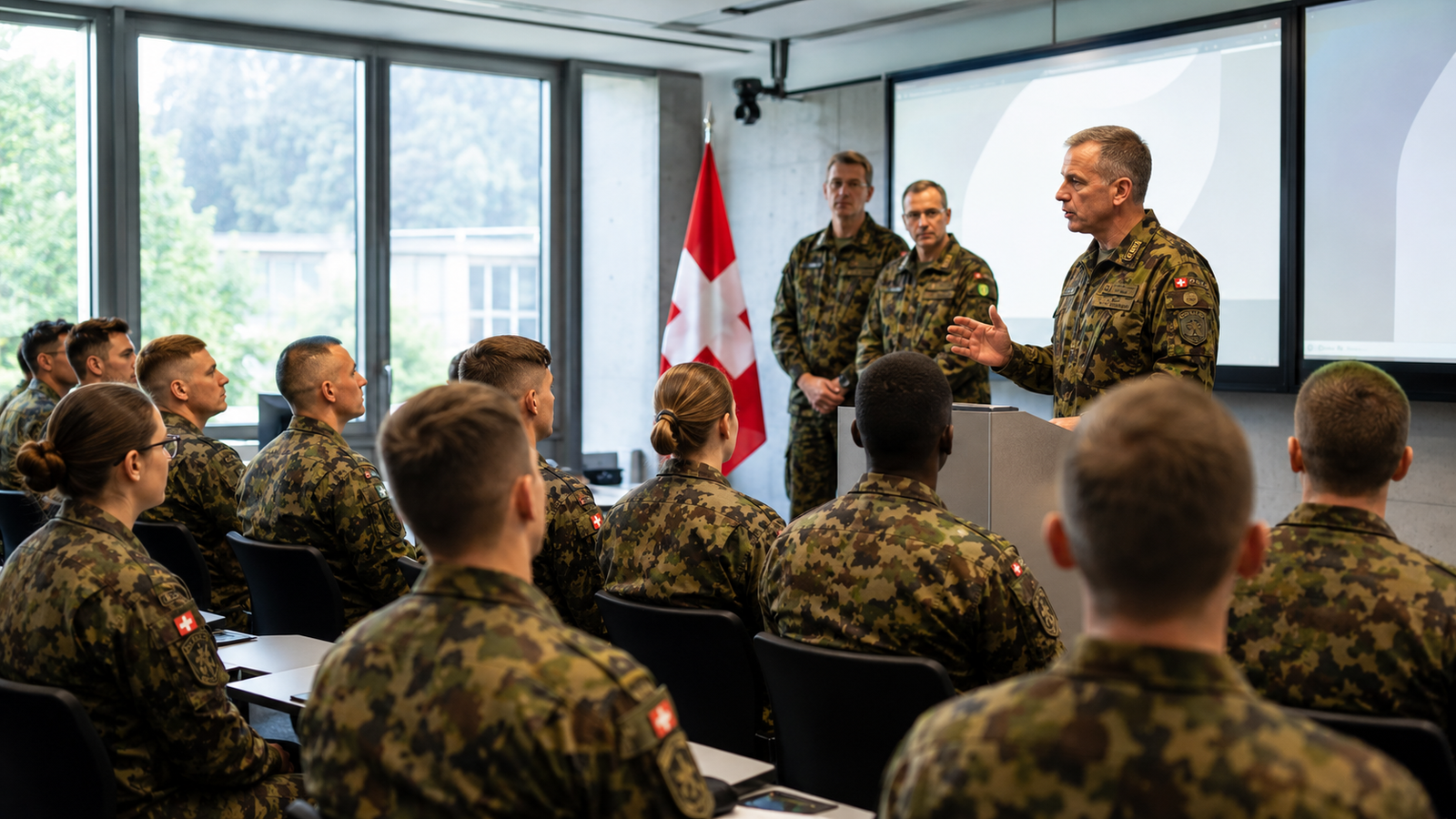
The Swiss Armed Forces have reached a key milestone in a broad effort to address discrimination and sexual misconduct within the military, with officials confirming that half of a 16-point reform program has now been implemented. The initiative, launched in 2025, was designed to improve protection for service members, strengthen reporting procedures, and promote a more respectful culture throughout the armed forces.
According to military authorities, eight of the sixteen planned measures are already operational, while most of the remaining initiatives are progressing through implementation. Only one measure has fallen behind its original schedule, signaling that the reform program remains largely on track despite the scale of the undertaking.
Among the reforms already introduced is a mandatory awareness-training program that all recruits must complete during their military preparation. The training is intended to improve understanding of discrimination, inappropriate behavior, and sexual misconduct while reinforcing expectations regarding professional conduct. Military leaders have also introduced an anonymous reporting system that allows personnel to raise concerns without immediately revealing their identity, a step aimed at reducing barriers to reporting incidents.
The reform effort follows growing scrutiny of conditions within the Swiss military after a major survey revealed troubling experiences among service members. Findings published in 2024 showed that nearly half of respondents reported encountering gender-based discrimination or forms of sexualized violence during their service. The results sparked public debate and prompted calls for stronger safeguards within one of Switzerland’s most important national institutions.
Swiss defense officials responded by developing a comprehensive action plan focused on prevention, awareness, victim support, and accountability. Rather than relying on a single policy change, the military adopted a multi-layered strategy intended to address cultural issues as well as procedural weaknesses that may have discouraged complaints in the past.
The armed forces occupy a unique position in Swiss society. Under the country’s long-standing militia system, military service plays an important role in civic life, with thousands of citizens entering training each year. Because service members come from a wide range of social, linguistic, and cultural backgrounds, maintaining an environment based on mutual respect has become an increasingly important objective for military leadership.
Supporters of the reform effort argue that strengthening protections against discrimination is essential not only for individual well-being but also for operational effectiveness. Military organizations rely heavily on trust, cohesion, and teamwork. Experts frequently note that environments where personnel feel unsafe or unsupported can undermine morale and reduce confidence in leadership structures.
The measures currently being implemented extend beyond awareness campaigns. Officials have indicated that the broader program includes improvements to complaint procedures, victim assistance mechanisms, internal guidance, and educational resources. The goal is to create a system in which concerns can be addressed more quickly and transparently while ensuring that affected personnel receive appropriate support.
One element of the reform package remains delayed. Authorities have linked the postponement to work on broader procedural guidance documents that are intended to explain how discrimination and misconduct cases should be handled. While the delay has pushed the timeline for one measure into a later phase of the project, military officials maintain that the overall reform agenda remains on schedule.
The initiative reflects a broader trend among military organizations in Europe and elsewhere, where armed forces have faced increasing pressure to address workplace culture issues and ensure equal treatment for all personnel. Many defense institutions have expanded training programs, updated reporting systems, and introduced new oversight mechanisms in response to evolving expectations regarding inclusion and accountability.
Switzerland has also taken steps over the years to expand protections for minority groups both inside and outside military service. National anti-discrimination measures have strengthened legal safeguards, while LGBTQ personnel and other groups have gained greater visibility and formal recognition within Swiss institutions. These developments have contributed to wider discussions about inclusion across public life, including within the armed forces.
The true test of the military’s reform program, however, will likely come in the years ahead. While implementation statistics provide one measure of progress, defense officials and outside observers will be watching to determine whether the new policies lead to measurable improvements in day-to-day experiences for service members. Future surveys and reporting data are expected to play an important role in assessing the effectiveness of the reforms.
For now, the Swiss Armed Forces view the completion of half of the planned measures as evidence that institutional change is moving forward. As the remaining initiatives are rolled out, military leaders say their objective remains clear: creating a safer, more respectful environment in which all personnel can serve free from discrimination, harassment, and sexual misconduct.