
Researchers Uncover How Psilocybin Reorganizes Brain Activity During Psychedelic Experiences
Scientists have gained fresh insight into one of neuroscience’s most intriguing questions: what exactly happens inside the brain during a psychedelic experience.
A new international study involving researchers from the University of Zurich has provided detailed evidence showing how psilocybin—the psychoactive compound found in so-called “magic mushrooms”—changes patterns of brain activity. The findings add to a growing body of research suggesting that psychedelics may temporarily increase the brain’s flexibility, potentially helping explain why these substances are being investigated as treatments for conditions such as depression, anxiety, addiction and post-traumatic stress disorder.
The research arrives at a time when interest in psychedelic medicine is expanding rapidly across Europe and North America. Scientists, regulators and healthcare providers are increasingly examining whether carefully supervised psychedelic-assisted therapies could offer new options for patients who do not respond to conventional treatments.
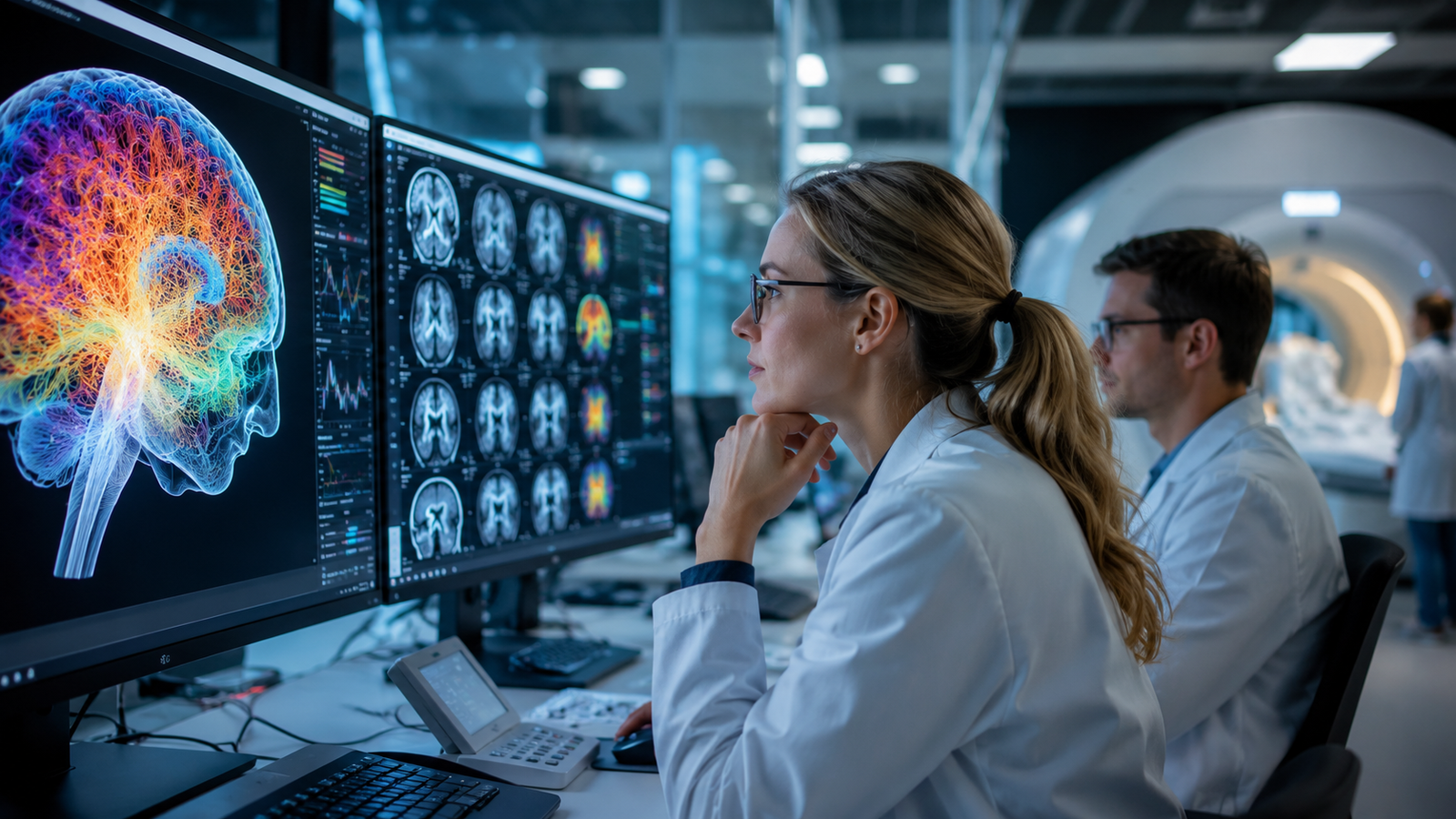
According to researchers involved in the latest work, psilocybin appears to alter the way brain networks communicate with one another. Rather than operating through their usual highly structured patterns, regions of the brain become more interconnected and less constrained by established communication pathways. This shift allows information to flow more freely across different neural systems.
For years, scientists have described this phenomenon using what is known as the “entropy hypothesis.” Under this theory, psychedelic substances temporarily loosen rigid patterns of brain activity, creating a more flexible neurological state. Researchers believe this increased flexibility may help people break out of repetitive thought patterns that are often associated with mental health disorders.
The new findings suggest that the process may be more organized than previously assumed. Rather than simply creating chaotic activity throughout the brain, psilocybin appears to redirect attention and awareness toward immediate experiences in the present moment. Scientists say the results challenge the idea that psychedelic states are merely random disruptions of normal brain function. Instead, they may represent an alternative mode of information processing.
The study adds to several major discoveries published over the past year. In one of the largest investigations of psychedelic brain activity ever conducted, researchers found that psilocybin reorganizes communication patterns across multiple brain networks while preserving recognizable functional structures. Those findings helped identify common neurological signatures shared by several psychedelic substances, including psilocybin, LSD and DMT.
Other recent research has suggested that the effects of psilocybin may extend beyond the duration of the psychedelic experience itself. Scientists have observed measurable changes in brain activity and structure lasting weeks or even a month after a single dose. Studies involving healthy volunteers found evidence of increased neural flexibility and signs of altered connectivity that persisted well beyond the immediate drug effects.
These longer-lasting changes have attracted particular attention because they may help explain why some patients report sustained improvements in mood and wellbeing after psychedelic-assisted therapy sessions. Researchers emphasize that the precise mechanisms remain under investigation, but growing evidence suggests that neuroplasticity—the brain’s ability to reorganize and form new connections—plays a central role.
Interest in psilocybin research has accelerated as mental health systems worldwide search for new treatment approaches. Depression, anxiety disorders and substance-use disorders continue to affect hundreds of millions of people globally, while many patients experience limited benefits from existing medications. Psychedelic-assisted therapy has emerged as a promising field because some clinical trials have shown meaningful improvements after only one or a few supervised treatment sessions.
Despite the optimism, scientists caution that important questions remain unanswered. Most psychedelic therapies are still experimental, and researchers continue to study appropriate dosing, long-term safety, patient selection and clinical supervision requirements. Experts also stress that psychedelic substances can produce intense psychological effects and should not be viewed as risk-free treatments.
Switzerland has played a notable role in the modern resurgence of psychedelic research. The country has supported controlled scientific investigations into psychedelic-assisted therapies and remains one of the few places in Europe where certain treatments can be administered under tightly regulated medical frameworks. Swiss researchers have contributed significantly to studies examining both the therapeutic potential and neurological effects of psychedelic compounds.
The latest findings further strengthen the scientific foundation for understanding how psychedelics interact with the human brain. Rather than viewing psychedelic experiences solely through subjective reports, researchers are increasingly able to observe measurable biological changes using advanced imaging technologies and computational analysis.
As larger clinical trials continue around the world, scientists hope these discoveries will help determine whether psychedelic-assisted treatments can safely become part of mainstream medicine. While significant regulatory and scientific hurdles remain, the emerging picture suggests that substances such as psilocybin may offer valuable clues about both mental health treatment and the fundamental workings of human consciousness.