Swiss Missile Defense Expansion Delayed as Parliament Slows Procurement Process
Switzerland’s effort to strengthen its protection against long-range aerial threats has encountered another setback after lawmakers declined to fast-track a key procurement decision, delaying the planned acquisition of a second missile defense system and extending uncertainty over the country’s evolving air-defense strategy.
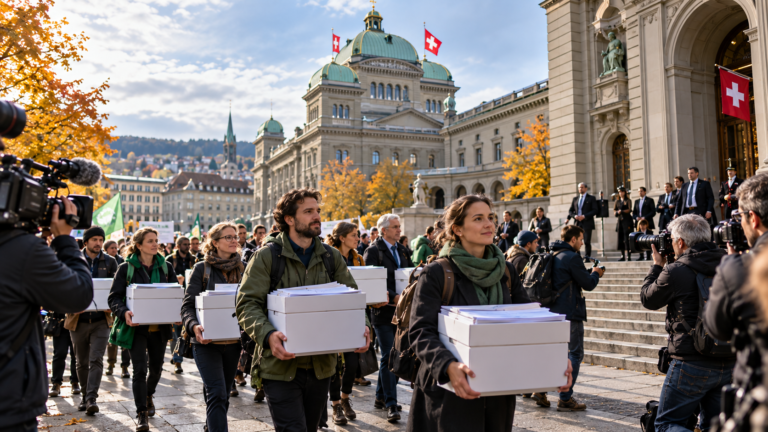
The delay affects a major defense project that Swiss authorities have been pursuing as part of a broader effort to modernize ground-based air defenses. Officials had hoped to complete the procurement process before the end of the year, but that timetable is no longer achievable after the lower house of parliament declined to treat the matter as an urgent legislative priority during the upcoming winter session.
The Federal Department of Defence, Civil Protection and Sport has confirmed that the original schedule can no longer be met. The Swiss government is now expected to reassess the situation and determine how the procurement process will proceed in the coming months.
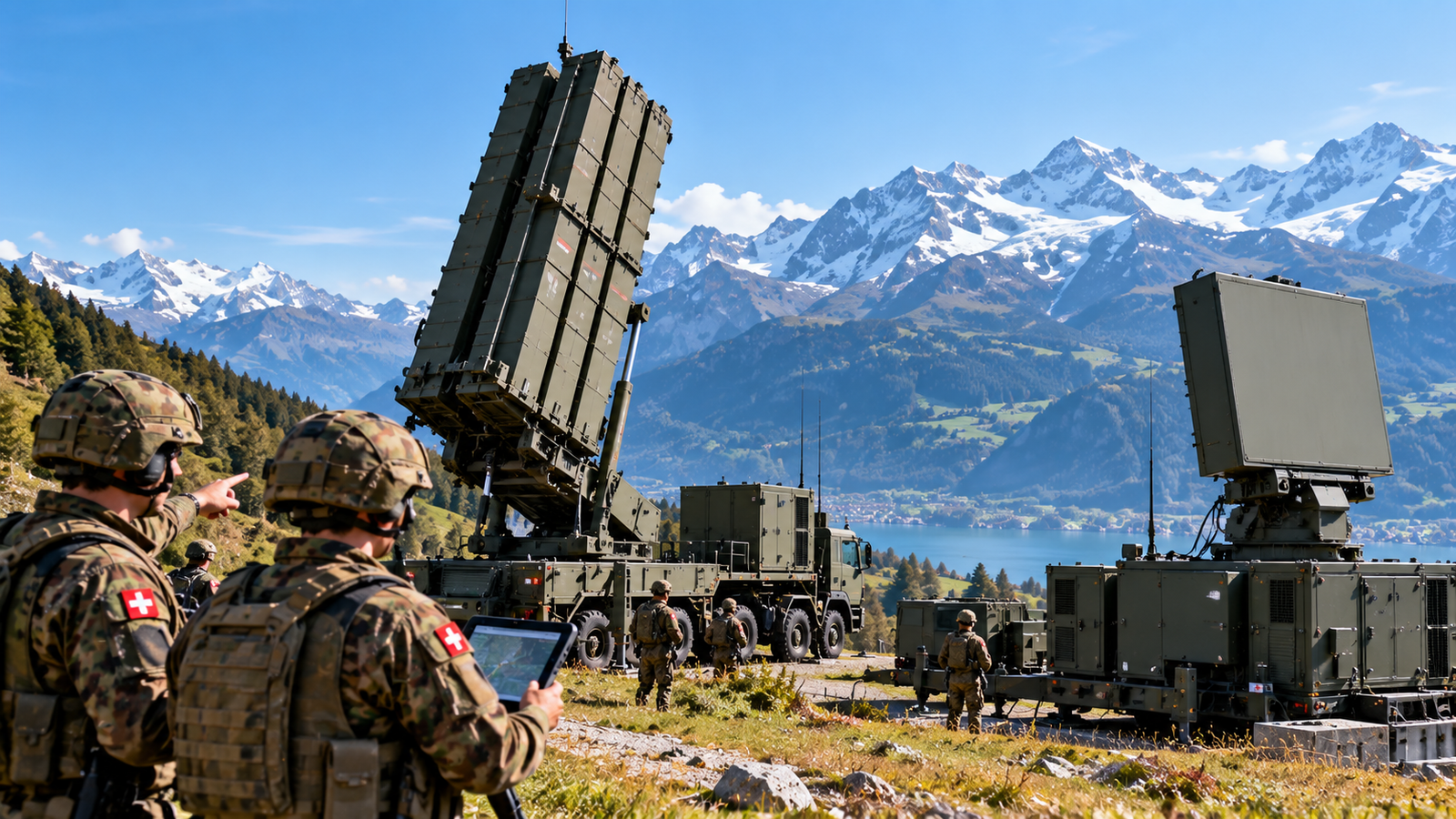
The planned acquisition, known internally as Bodluv GR2, is intended to complement Switzerland’s existing air-defense modernization efforts. The Federal Office for Armaments, Armasuisse, recently completed its evaluation of candidate systems and submitted its findings to the Federal Council, which will ultimately decide which platform should be selected.
The project has gained urgency because Switzerland has experienced significant difficulties with the delivery of the U.S.-made Patriot missile defense system ordered in 2022. Originally expected to strengthen Swiss air defenses later this decade, the Patriot program has been repeatedly delayed due to changing geopolitical priorities and growing demand for missile defense systems in other regions.
Swiss officials have increasingly expressed concern about the country’s vulnerability during the period before those systems become operational. As a result, the government began examining alternative or supplementary missile-defense solutions earlier this year. The goal is not only to improve protection against long-range threats but also to reduce dependence on a single supplier and strengthen resilience within Switzerland’s defense planning.
Several international manufacturers have participated in the competition for the second system. According to Swiss authorities, proposals were submitted by suppliers from France, Israel and South Korea after Armasuisse requested information and formal bids. Media reports have frequently identified the Franco-Italian SAMP/T system, produced by Eurosam, as a leading contender, although no official selection has been announced.
Government officials have indicated that multiple factors will influence the final decision. These include operational performance, availability, procurement costs, supply-chain risks, industrial participation opportunities in Switzerland and Europe, and broader foreign-policy and security considerations. The Federal Council has also stated that excluding non-European suppliers solely on geographic grounds would not currently be justified.
The financial dimensions of the project are substantial. Swiss defense authorities have earmarked approximately CHF6 billion to support procurement of the second long-range air-defense system and help address rising costs associated with the Patriot program. Funding is expected to come from a larger military spending package approved as part of Switzerland’s effort to strengthen national defense capabilities over the coming years.
The missile-defense debate is unfolding against a backdrop of heightened security concerns across Europe. Russia’s war in Ukraine, instability in the Middle East and the growing use of long-range missiles and drones in modern conflicts have prompted governments throughout Europe to reassess air-defense requirements. Swiss authorities have repeatedly cited these developments when explaining the need to modernize national defense systems.
Recent procurement challenges have also exposed the difficulties many countries face when attempting to purchase advanced military equipment during periods of elevated global demand. Competition for missile-defense systems has intensified, manufacturing capacity remains limited, and delivery timelines have lengthened as governments prioritize urgent security needs. Switzerland’s experience with the Patriot system has become a prominent example of these broader pressures on international defense supply chains.
Defense analysts note that the second missile-defense system is intended not merely as a backup but as part of a layered approach to air defense. Modern military planners increasingly favor multiple complementary systems capable of addressing different types of threats, including ballistic missiles, cruise missiles, aircraft and drones. Such an approach can provide greater flexibility and reduce dependence on any single technology platform.
For Switzerland, a country that has traditionally emphasized neutrality while maintaining a capable military, the procurement decision carries strategic significance. It will influence defense spending priorities, industrial partnerships and security cooperation for years to come. The choice may also shape how Switzerland balances domestic defense requirements with growing efforts to cooperate more closely with European partners on security-related issues.
Although the evaluation process has been completed, the parliamentary delay means the final decision will take longer than originally expected. Government officials have not yet provided a revised timetable for approval or procurement.
As the Federal Council reviews its next steps, Switzerland faces the challenge of advancing a major defense modernization effort while navigating budget constraints, procurement delays and a rapidly changing security environment. The eventual selection of a second missile-defense system will be closely watched both within Switzerland and among European defense partners seeking to strengthen protection against emerging aerial threats.