Swiss Government Endorses 2038 Winter Olympics Bid, Moving Project Closer to Reality
Switzerland has taken a significant step toward hosting the Winter Olympic and Paralympic Games in 2038 after the Federal Council formally approved support for the national bid, giving new momentum to a project that aims to bring the world’s largest winter sporting event back to the Alpine nation for the first time since 1948.
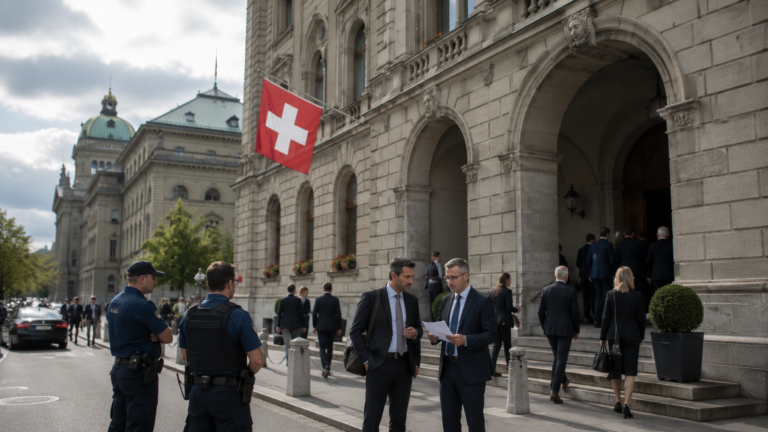
The government’s decision follows months of consultations involving federal authorities, sports organizations, cantons, municipalities, and other stakeholders. Officials concluded that public and political feedback toward the proposal was broadly favorable, clearing the way for the project to move forward through Switzerland’s political approval process.
Switzerland is currently engaged in what the International Olympic Committee (IOC) describes as a “privileged dialogue,” a special stage in the host selection process that gives the country exclusive discussions regarding the 2038 Winter Games. Under the arrangement, Switzerland can continue developing its proposal without facing competition from rival bids while preparations continue through at least the end of 2027.
If the remaining political and financial approvals are secured, Switzerland could become the next European host of the Winter Olympics after the French Alps stage the 2030 Games and Salt Lake City hosts the 2034 edition.
A Nationwide Olympic Concept
Unlike traditional Olympic bids centered on a single city, Switzerland’s proposal is designed as a decentralized national project.
The concept relies heavily on existing sports venues spread across multiple cantons rather than constructing large numbers of new facilities. Organizers argue that this approach would reduce costs, limit environmental impacts, and align with the IOC’s growing emphasis on sustainability.
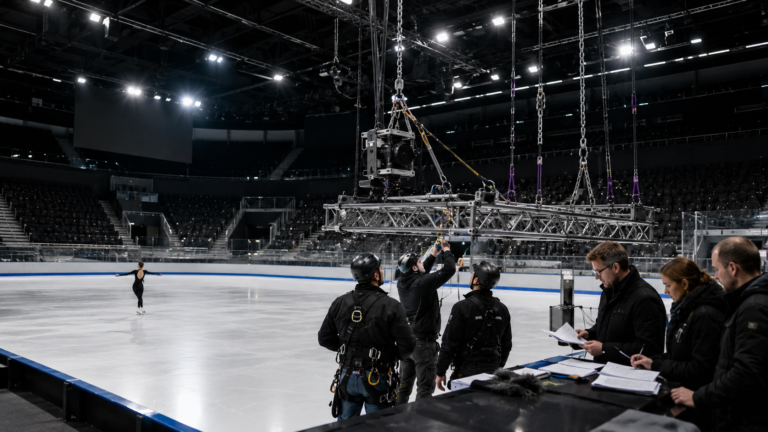
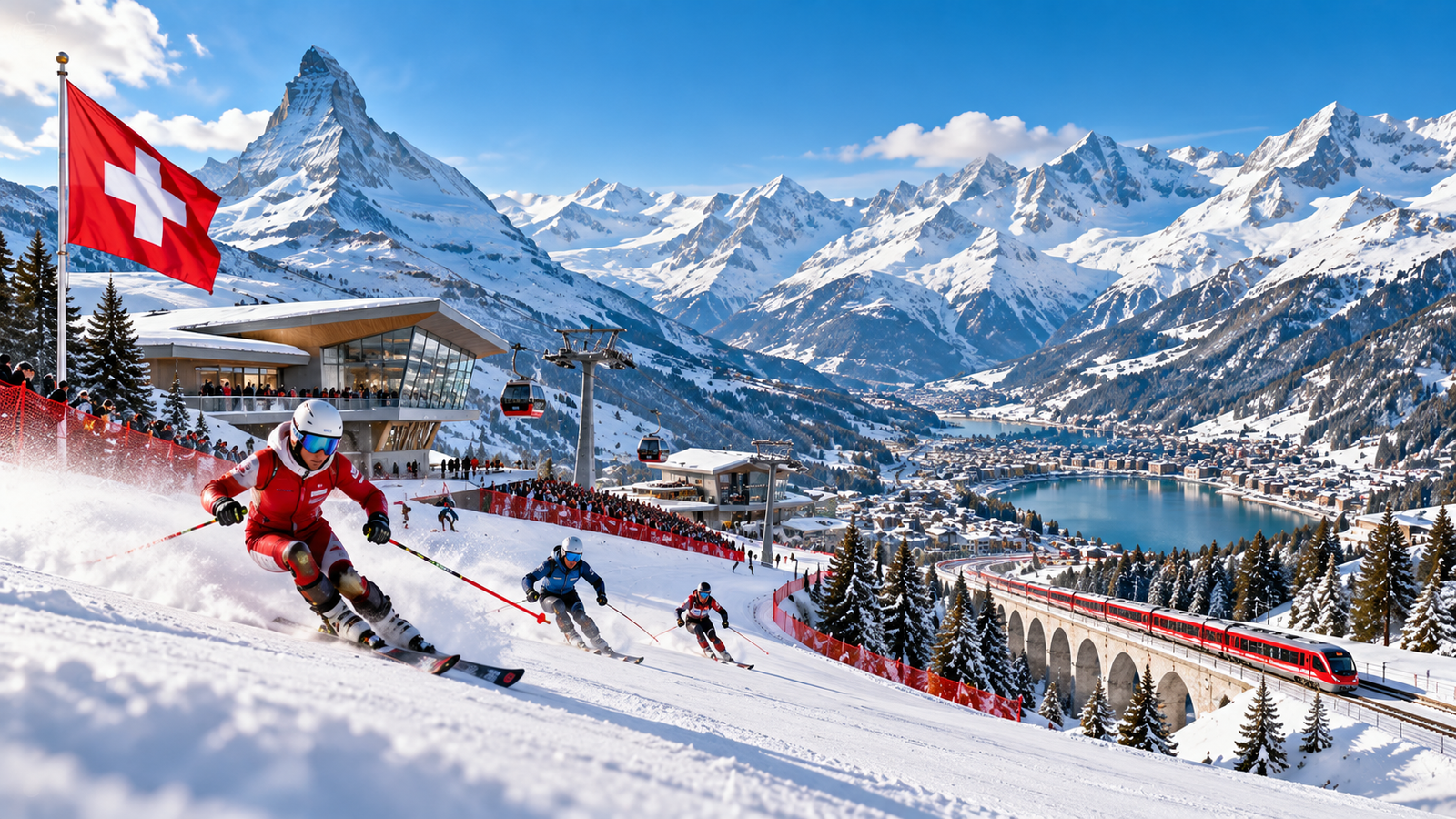
Preliminary plans envision competitions being held across several established winter sports destinations. Crans-Montana is expected to host alpine skiing events, while St. Moritz and neighboring venues would accommodate sliding sports. Other locations across the country would stage disciplines such as biathlon, ski jumping, cross-country skiing, figure skating, speed skating, curling, and ice hockey. Opening and closing ceremonies would also be distributed between major Swiss cities.
Supporters say the model reflects Switzerland’s federal structure and allows multiple regions to benefit from the economic and tourism opportunities associated with the Games.
Financial Support Proposed
The Federal Council has indicated its willingness to provide federal funding of up to CHF 200 million for the project, subject to parliamentary approval. The financial commitment is viewed as a key component of Switzerland’s efforts to demonstrate political backing and long-term viability to Olympic officials.
Parliament is expected to play a crucial role in determining whether the proposal advances to the next phase. Swiss lawmakers will review funding arrangements and other aspects of the project before any final commitments are made.
The parliamentary process is particularly important because Switzerland has a long history of Olympic proposals that ultimately failed to secure public or political support. Several previous projects, including bids involving Sion, Graubünden, and St. Moritz-Davos, were rejected through referendums or abandoned following opposition.
Those experiences have influenced the current strategy, with organizers emphasizing existing infrastructure, regional cooperation, and fiscal restraint.
Strong Winter Sports Tradition
For many supporters, the bid represents an opportunity to reconnect Switzerland with a central part of its sporting identity.
Despite being one of the world’s most recognizable winter sports nations and home to numerous international federations, Switzerland has not hosted the Winter Olympics since St. Moritz staged the Games in 1948. The country is also home to the IOC headquarters in Lausanne and regularly organizes world championships and World Cup competitions across a variety of winter disciplines.
Advocates argue that the nation’s extensive network of ski resorts, transportation infrastructure, and competition venues makes it uniquely positioned to host a modern Winter Olympics without requiring extensive new construction.
The proposed 2038 edition would therefore serve not only as a major sporting event but also as a showcase of Switzerland’s existing capabilities as a winter sports destination.
Environmental Questions Remain
Although the project has gained political support, environmental concerns continue to feature prominently in the discussion.
Critics have warned that even a decentralized model could place additional pressure on fragile Alpine ecosystems. Increased visitor numbers, transportation demands, and event-related activities have raised questions about long-term environmental impacts in mountain regions.
Organizers have responded by highlighting the use of existing venues and infrastructure as a way to minimize ecological disruption. Sustainability has become a central theme of the proposal as Switzerland seeks to distinguish its project from earlier Olympic bids that faced criticism over costs and environmental consequences.
Whether those assurances will be enough to secure broad public support remains one of the key questions facing the project in the years ahead.
Next Steps Toward 2038
The bid still faces several important milestones before Switzerland can officially be awarded the Games.
Political consultations, parliamentary decisions, and funding approvals must be completed before the IOC can advance the project to a final host selection stage. According to Olympic officials, a host election could potentially take place in 2027 if the required Swiss approvals are secured on schedule.
For now, the Federal Council’s endorsement represents one of the strongest signals yet that Switzerland intends to pursue the 2038 Winter Olympics seriously. The decision moves the project from the planning stage toward a more formal campaign and places the country closer than it has been in decades to welcoming the Winter Games back to the Alps.