Swiss Government Begins Campaign to Back Looser Arms Export Rules Ahead of National Vote
Switzerland’s federal government has formally launched its campaign in support of proposed changes to the country’s arms export legislation, setting the stage for a nationwide referendum that could reshape how Bern manages military exports in an increasingly uncertain security environment.
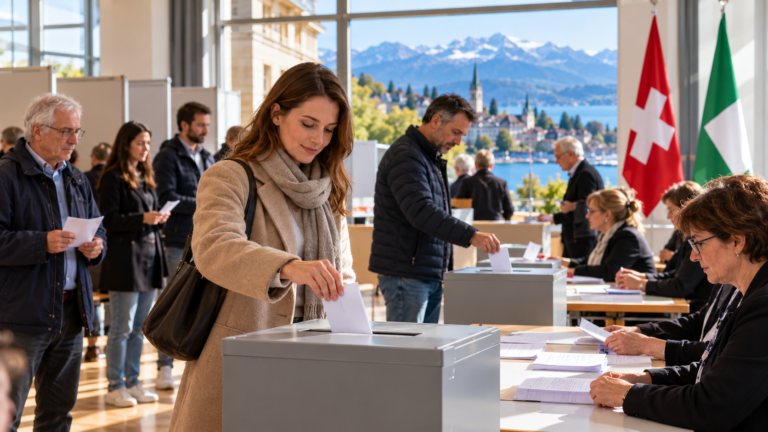
The vote, scheduled for November 29, will ask Swiss voters whether to approve amendments to the War Materiel Act, a law that governs the export and re-export of weapons, military systems, and defense-related components. The referendum follows a successful challenge by opponents of the legislation, requiring the final decision to be made directly by the electorate under Switzerland’s system of direct democracy.
Government officials argue that the proposed changes are necessary to address geopolitical realities that have emerged in recent years, particularly following Russia’s invasion of Ukraine and the resulting shifts in European security policy. According to the Federal Council, existing export restrictions have placed Swiss defense manufacturers at a disadvantage and risk weakening the country’s long-term defense capabilities.
Current Swiss law generally prohibits arms exports to countries involved in armed conflicts or those accused of serious and systematic human rights violations. Exports are also restricted when there is a risk that military equipment could be used against civilian populations or transferred without authorization.
The proposed reform would not remove those safeguards entirely. Instead, it would give the Federal Council greater flexibility in specific circumstances, allowing it to respond more effectively to foreign policy and security challenges. Under the revised framework, military equipment could, under certain conditions, be supplied to designated partner countries even if those countries become involved in armed conflicts, provided such actions remain consistent with Swiss neutrality and broader national interests.
Another significant element of the proposal concerns re-export rules. At present, countries that purchase Swiss military equipment are often required to obtain Swiss approval before transferring those items to another state. The reform would ease some of those requirements while still allowing Switzerland to impose restrictions when neutrality, security, or foreign-policy concerns justify them. Existing commitments attached to previously exported equipment would remain in force.
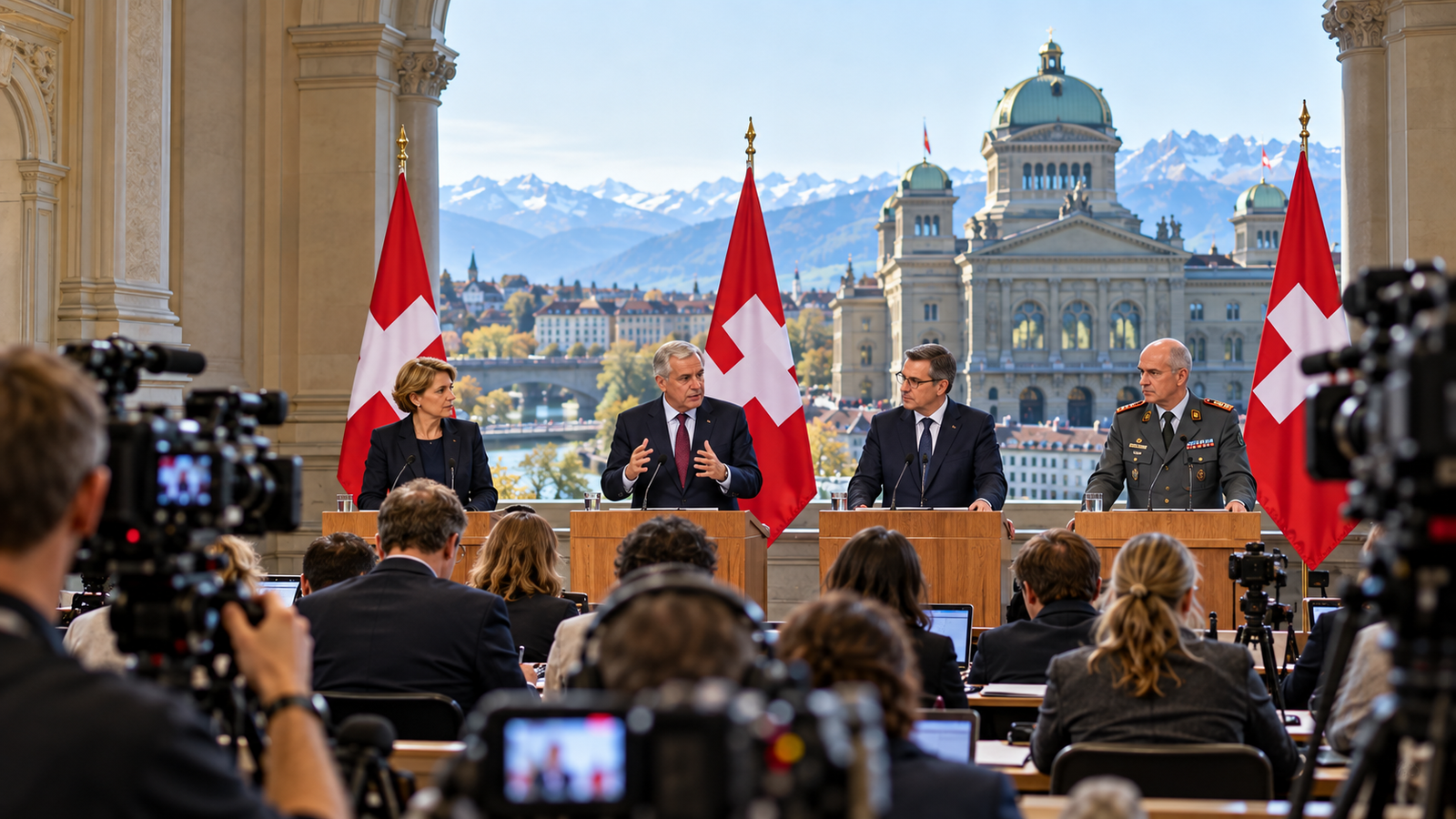
President and Economics Minister Guy Parmelin, speaking on behalf of the government, has emphasized that any new powers would continue to operate within the boundaries of international law and Switzerland’s long-standing policy of neutrality. Officials have repeatedly stated that the reform is designed to provide flexibility rather than abandon existing principles.
The debate arrives at a sensitive moment in Swiss politics. Just days before the government launched its campaign for the arms export reform, Swiss voters overwhelmingly rejected a separate proposal that sought to impose a much stricter interpretation of Swiss neutrality. Roughly 70% of voters opposed that initiative, signaling broad support for maintaining the country’s traditional but adaptable approach to neutrality.
Supporters of the War Materiel Act amendment argue that the referendum reflects a similar question: how Switzerland can preserve neutrality while adapting to evolving security challenges. They contend that maintaining a competitive defense sector is essential not only for economic reasons but also for ensuring that Switzerland retains access to critical military technologies and international defense partnerships.
Government officials have also pointed to changes already introduced earlier this year that expanded export-control exemptions to all European Union and European Free Trade Association member states. Those measures were intended to align Switzerland more closely with trusted partners that operate comparable export-control systems.
Critics, however, remain unconvinced. Opponents of the reform argue that loosening export restrictions could weaken Switzerland’s reputation as a neutral state and increase the risk that Swiss-made military equipment ultimately reaches conflict zones. Some campaign groups have warned that reduced re-export controls may limit Switzerland’s ability to track the final destination of weapons and military components once they leave the country.
The referendum campaign is expected to focus heavily on these competing interpretations of neutrality, responsibility, and national security. While supporters emphasize the need for flexibility in a rapidly changing geopolitical landscape, opponents frame the issue as a test of Switzerland’s commitment to strict oversight of military exports.
The outcome could have implications beyond the defense sector. A favorable vote would grant the Federal Council broader authority to react to future crises and could influence how Switzerland balances neutrality with cooperation among Western partners. A rejection would leave current restrictions largely intact and signal continued public caution regarding arms exports.
As campaigning intensifies in the weeks ahead, Swiss voters will once again be asked to weigh the country’s traditional principles against the demands of an increasingly complex international security environment. The November referendum will determine whether lawmakers’ proposed reforms become part of Switzerland’s legal framework or remain a contested chapter in the nation’s ongoing debate over neutrality, defense, and global engagement.