
Swiss Lawmakers Endorse Limits on Executive Pay at Health Insurance Firms
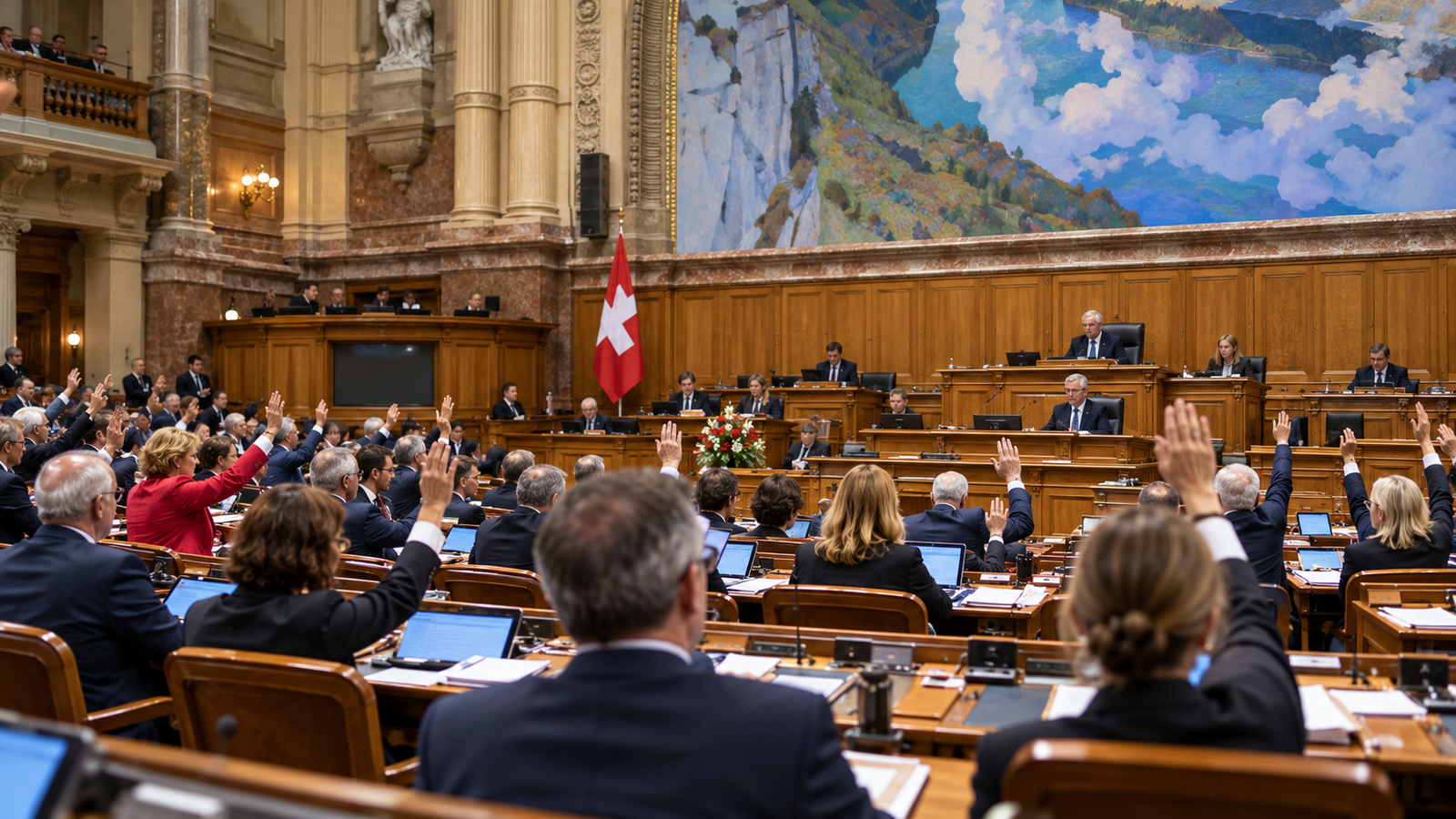
Switzerland’s lower house of parliament has moved to tighten oversight of the country’s health insurance sector by supporting a proposal that would restrict compensation for senior executives at companies providing mandatory health coverage. The vote reflects growing political pressure to address public concerns over rising healthcare costs and the role of insurance providers within the Swiss healthcare system.
The National Council approved the measure during parliamentary deliberations on healthcare policy, opening the door to further legislative discussions on how compensation should be structured for executives overseeing compulsory health insurance operations. The proposal remains subject to additional parliamentary procedures before it can become law.
The debate comes at a time when healthcare spending and insurance premiums remain among the most closely watched issues in Swiss domestic politics. Switzerland operates a system of mandatory health insurance in which residents are required to obtain basic coverage from approved insurers. These insurers must offer the legally defined package of benefits to all residents regardless of age or medical condition.
Supporters of the pay-cap proposal argue that organizations administering mandatory health insurance perform a public-interest function and therefore should not provide compensation packages that appear disconnected from the financial pressures faced by policyholders. Advocates say the measure could strengthen public confidence in the healthcare system and demonstrate greater accountability at a time when many households are experiencing higher insurance costs.
Backers of the initiative also contend that executive compensation has become a symbolic issue within a broader discussion about healthcare affordability. While limiting salaries alone is unlikely to substantially reduce overall healthcare spending, proponents argue that the move sends a message about responsible management and the use of funds within the insurance sector.
Opponents of compensation limits have warned that government intervention in executive pay could create unintended consequences. Critics argue that health insurers compete for qualified management talent in a complex regulatory environment and that excessive restrictions may make recruitment and retention more difficult. They also question whether pay caps would generate meaningful savings for consumers.
The parliamentary decision highlights a wider political effort to examine cost drivers throughout Switzerland’s healthcare system. Lawmakers from across the political spectrum have increasingly focused on insurance premiums, reimbursement models and administrative expenses as pressure grows to slow healthcare cost increases.
Healthcare financing has remained a recurring topic of reform in Switzerland. Recent years have seen debates over how services are funded, how insurers interact with healthcare providers and how the system can maintain broad access while controlling expenditure. Voters have also been asked to decide on healthcare-related reforms through national referendums, reflecting the issue’s significance in Swiss public life.
The latest parliamentary action follows broader scrutiny of corporate governance practices in sectors that play critical roles in the Swiss economy. While the health insurance proposal is distinct from banking and financial-sector reforms, it reflects a similar political trend toward examining executive accountability and compensation structures in institutions considered important to the public interest. Recent parliamentary debates on financial regulation have likewise focused on governance, oversight and management responsibility.
Consumer groups have long argued that administrative costs deserve greater public attention when premium increases are announced. Although medical treatment expenses remain the primary driver of overall healthcare spending, critics of the current system frequently point to executive compensation as an issue that affects public perceptions of fairness and transparency.
Health insurers, for their part, have generally emphasized that healthcare costs are driven largely by medical services, pharmaceuticals, demographic changes and increased demand for treatment. Industry representatives have often argued that administrative expenses account for only a relatively small share of overall spending compared with the costs of healthcare delivery itself.
The National Council’s decision does not immediately alter executive compensation practices. Switzerland’s bicameral legislative process requires agreement between both chambers of parliament before a proposal can advance toward implementation. As a result, the measure will continue through additional legislative review and could be modified during future stages of the process.
The vote nevertheless signals that concerns about healthcare affordability remain high on the political agenda. For many Swiss households, mandatory health insurance premiums represent a significant annual expense, making any proposal connected to healthcare costs particularly sensitive.
Whether the pay-cap initiative ultimately becomes law will depend on future parliamentary negotiations. Yet the debate itself underscores a broader question confronting policymakers: how to balance effective management of health insurance organizations with growing public demands for affordability, transparency and accountability.
As Switzerland continues to evaluate reforms aimed at controlling healthcare costs, executive compensation has emerged as another element of a larger conversation about the future direction of the country’s health insurance system. The National Council’s vote ensures that discussion will continue in the months ahead as lawmakers consider how best to address both public expectations and the operational realities of managing compulsory health coverage.