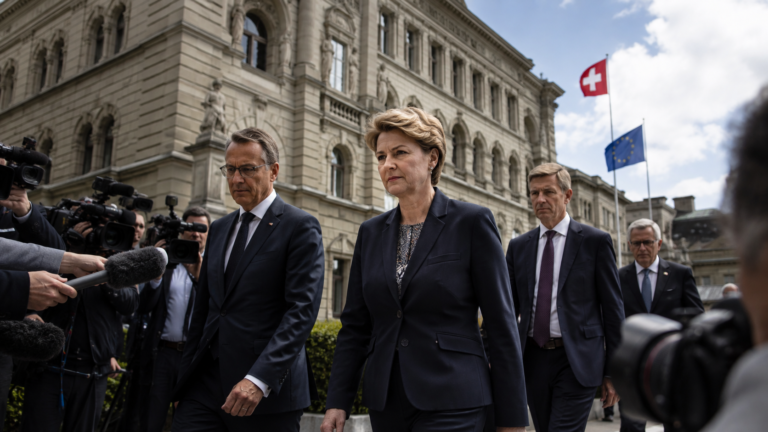

Swiss Government Moves to Strengthen Protections Against Excessive Rent Increases
Switzerland’s federal government has unveiled plans to strengthen oversight of the rental market, responding to mounting concerns over housing affordability and rising living costs in many parts of the country.
The Federal Council announced a package of measures designed to make it easier to identify and challenge excessive rents, marking one of the latest efforts by authorities to address growing pressure in Switzerland’s housing sector. The proposals come as demand for housing continues to outpace supply in several urban regions, contributing to higher rents and increased scrutiny of landlord practices.
Housing affordability has become an increasingly prominent issue in Switzerland over recent years. While the country maintains one of Europe’s highest standards of living, many households have faced rising housing costs, particularly in major economic centers where vacancy rates remain low.
Under the government’s proposed changes, authorities aim to improve transparency in rental agreements and strengthen mechanisms that allow tenants to contest rents considered excessive. The initiative reflects broader concerns about ensuring that rental prices remain aligned with legal standards and market conditions rather than being driven solely by housing shortages.
Switzerland is unusual among developed economies in that a majority of residents live in rented accommodation rather than owner-occupied homes. This has made rental policy a significant economic and social issue, affecting a large share of the population. Tenant advocacy organizations have long argued that stronger safeguards are needed to prevent unjustified rent increases and to improve access to affordable housing.
The Federal Council’s move arrives against a backdrop of continued population growth, urbanization, and limited housing availability in many regions. Competition for apartments has intensified in several cities, creating challenges for both new renters and existing tenants seeking to relocate.
Government officials have indicated that the objective is not to impose broad rent controls but rather to ensure compliance with existing legal principles governing fair rental pricing. The proposed reforms seek to improve enforcement and reduce situations where tenants may face difficulties challenging rental costs they believe exceed permissible levels.
Housing experts note that Switzerland’s rental market operates under a complex legal framework that balances property rights with tenant protections. Existing regulations already allow certain rent increases while restricting others, particularly when they cannot be justified by factors such as renovation costs, inflation-linked adjustments, or changes in financing conditions.
Supporters of stronger oversight argue that the current system does not always provide sufficient transparency, leaving some tenants unaware of their rights or unable to effectively challenge questionable rental increases. They contend that additional disclosure requirements and clearer procedures could help improve confidence in the housing market.
Landlord organizations and property industry representatives, meanwhile, have previously warned that excessive regulatory intervention could discourage investment in new housing development. They argue that increasing housing supply remains the most effective long-term solution to affordability challenges.
The debate highlights a broader issue facing many European countries, where population growth, limited land availability, construction costs, and urban demand have placed pressure on housing markets. Switzerland has largely avoided some of the severe housing shortages seen elsewhere, but affordability concerns have become increasingly visible in public policy discussions.
The Federal Council’s proposals are expected to enter the legislative process, where lawmakers will review the measures and consider potential amendments. As with many significant policy changes in Switzerland, parliamentary debate could play a crucial role in determining the final shape of the reforms. The country’s political system frequently involves extensive consultation among stakeholders before major housing legislation is enacted.
Housing policy has also become closely linked to wider economic concerns. Rising rental costs can affect household spending, labor mobility, and overall cost-of-living pressures. Businesses in some regions have reported difficulties attracting workers when housing availability is limited or rental prices are perceived as unaffordable.
Economists often point to housing affordability as a key factor influencing economic competitiveness, particularly in cities that serve as major employment centers. Ensuring access to reasonably priced housing can help support workforce mobility while maintaining social stability.
The government’s latest initiative therefore extends beyond the housing sector alone. It reflects a broader effort to address cost pressures affecting households while maintaining confidence in the functioning of the property market.
Although the precise impact of the proposed measures will depend on the final legislation adopted, the announcement signals that housing affordability remains a priority issue for Swiss policymakers. With rental housing playing a central role in everyday life for millions of residents, future decisions on tenant protections and market oversight are likely to remain closely watched by both renters and property owners.
As lawmakers begin evaluating the proposals, the discussion is expected to focus on how best to balance tenant protection, housing investment, and long-term market stability. The outcome could influence the direction of Swiss housing policy for years to come and shape how one of Europe’s most prominent rental markets addresses affordability challenges in the future.