Switzerland Raises Alarm Over Growing Pressure on Russian Dissidents Beyond Its Borders
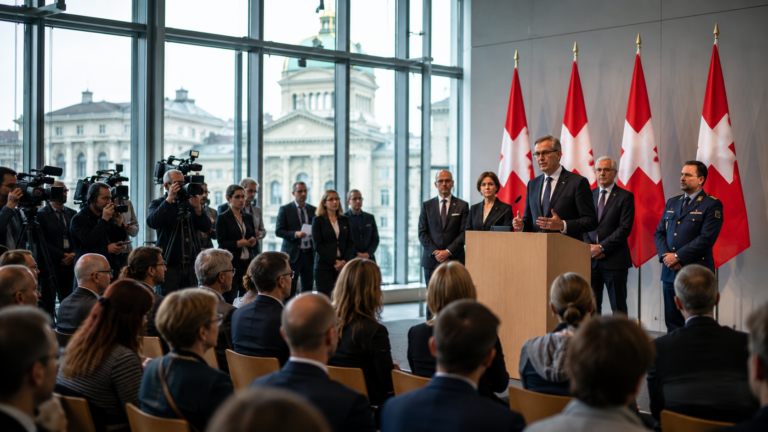
Switzerland has expressed concern about what it describes as Russia’s expanding efforts to intimidate, pressure, and target critics beyond its national borders, adding its voice to a growing international debate over transnational repression and the safety of political dissidents living abroad.
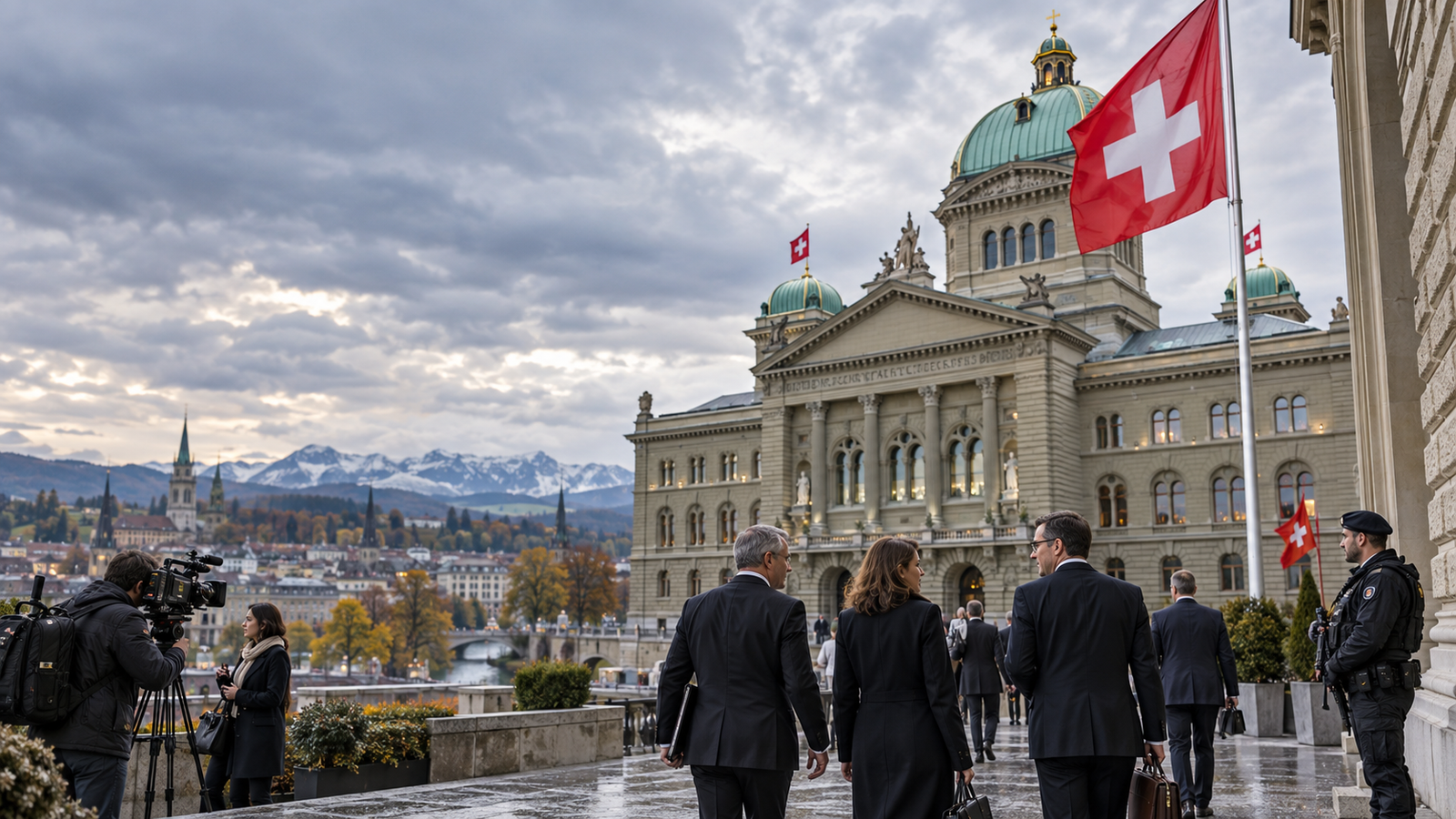
The issue was raised by Swiss authorities as concerns continue to mount across Europe and other regions over alleged actions aimed at journalists, activists, opposition figures, and other Kremlin critics who have sought refuge outside Russia. Swiss officials indicated that developments involving Russian state-linked activities abroad are being closely monitored because of their implications for international law, national sovereignty, and the protection of fundamental rights.
The warning comes at a time when relations between Switzerland and Russia remain strained following Moscow’s invasion of Ukraine in 2022 and the subsequent sanctions adopted by Bern in line with measures introduced by the European Union. Switzerland’s decision to implement sanctions marked a significant shift in its response to the conflict and contributed to a deterioration in relations between the two countries. Russia later classified Switzerland among states it considers “unfriendly.”
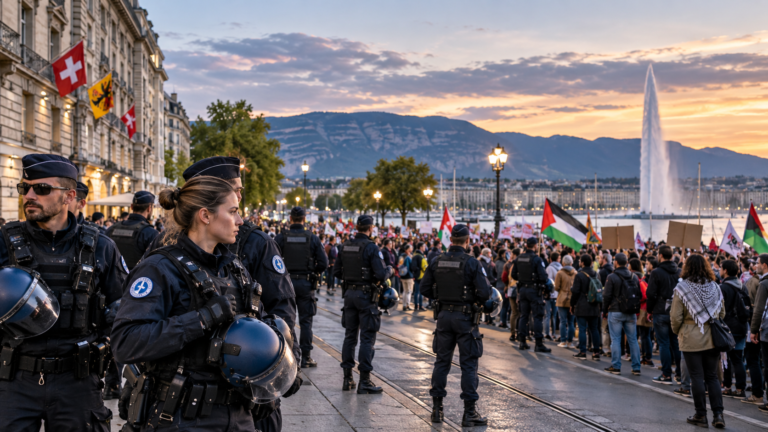
Security concerns linked to Russian activities have been discussed in Switzerland for several years. Swiss authorities have previously reported concerns about espionage operations and intelligence activity connected to Russia. Due to Geneva’s role as a global diplomatic hub and Switzerland’s position as host to numerous international organizations, the country has long been viewed as a strategic location for intelligence gathering and diplomatic engagement.
The latest concerns extend beyond traditional espionage and focus on what experts often describe as transnational repression — efforts by governments to monitor, threaten, harass, or silence individuals residing outside their home country. Human rights organizations and researchers have increasingly documented such practices globally, identifying Russia as one of the states frequently accused of pursuing critics beyond its borders.
International attention on the issue has intensified following a series of investigations and allegations involving Russian opposition figures and dissidents living abroad. Recent reporting in several countries has renewed scrutiny of alleged plots, surveillance operations, and intimidation campaigns directed at Kremlin critics outside Russia. While individual cases differ, they have collectively fueled concerns among Western governments regarding the safety of exiled activists and political opponents.
The broader geopolitical backdrop has also contributed to growing unease. European governments have repeatedly accused Moscow of engaging in hybrid activities that extend beyond conventional diplomacy, including cyber operations, influence campaigns, intelligence activities, and efforts to shape political narratives in foreign countries. Russian officials have consistently rejected many such accusations, arguing that Western governments frequently politicize security matters involving Russia.
For Switzerland, the issue carries particular significance because of its long-standing role as a neutral state and a venue for international negotiations. Swiss diplomacy has traditionally emphasized dialogue, mediation, and the protection of humanitarian principles. At the same time, Swiss authorities have increasingly found themselves navigating complex security challenges linked to geopolitical tensions involving Russia and the war in Ukraine.
The debate over Russian influence and activity in Switzerland has periodically resurfaced in recent years. Reports from Swiss and international media have highlighted concerns about intelligence operations, sanctions enforcement, financial networks, and the presence of Russian-linked interests within the country. Although Switzerland has maintained channels of communication with Moscow, relations have become more difficult since the outbreak of the war in Ukraine.
Observers note that concerns about transnational repression are not limited to Russia alone. Governments around the world have faced scrutiny over allegations that they seek to influence or pressure citizens living abroad. However, Russia’s role has attracted particular attention because of several high-profile incidents involving opposition figures, journalists, and political activists over the past two decades. These cases have shaped international perceptions of the risks faced by individuals who openly challenge the Kremlin.
Swiss officials have not indicated any immediate policy changes in response to the latest concerns. Instead, the comments appear aimed at reaffirming Switzerland’s commitment to protecting democratic freedoms, supporting international legal norms, and ensuring that people living within its jurisdiction can exercise their rights without fear of foreign intimidation.
The issue is likely to remain part of broader discussions between European governments and international organizations as tensions between Russia and Western countries continue. With security concerns, sanctions, and diplomatic disputes still influencing relations across the continent, questions surrounding the protection of dissidents and political exiles are expected to remain a significant topic in international affairs.
As governments evaluate how best to respond to alleged transnational repression, Switzerland’s intervention highlights a growing determination among democratic states to scrutinize activities that may threaten political freedoms beyond national borders. The discussion underscores the challenge of balancing diplomacy, security, and human rights in an increasingly complex geopolitical environment.