Basel, Basel
Basel: Switzerland’s Cultural Capital Where History, Art, and the Rhine Meet
Standing on the banks of the Rhine in northwestern Switzerland, Basel offers a travel experience unlike anywhere else in the country. Positioned where Switzerland, Germany, and France meet, the city blends centuries of history with contemporary creativity, creating a destination that feels both deeply rooted and constantly evolving.
While many travelers focus on Switzerland’s alpine landscapes, Basel reveals another side of the nation—one defined by art, architecture, culture, and urban life. Medieval streets lead to cutting-edge buildings, historic churches stand beside modern museums, and everyday life unfolds along a river that has shaped the city for centuries.
For visitors seeking culture, history, and authentic city experiences, Basel ranks among Switzerland’s most rewarding destinations.
The Old Town: Basel’s Historic Heart
The best introduction to Basel begins in its remarkably preserved Old Town. Spread between Cathedral Hill, Market Square, and the Rhine, this historic district is a maze of narrow streets, hidden courtyards, colorful buildings, and public fountains.
Unlike many European city centers that have undergone extensive modernization, Basel’s Old Town retains much of its historic character. Walking through its winding lanes reveals architectural layers that reflect centuries of development, from medieval foundations to Renaissance facades. More than 200 fountains are scattered throughout the district, adding character to nearly every corner.
Among the most recognizable landmarks is the bright red Town Hall overlooking Market Square. Its distinctive appearance and richly decorated exterior make it one of the city’s most photographed buildings. Nearby markets bring local life into the historic setting, creating a lively atmosphere that contrasts with the surrounding centuries-old architecture.
Basel Cathedral and the View from the Pfalz
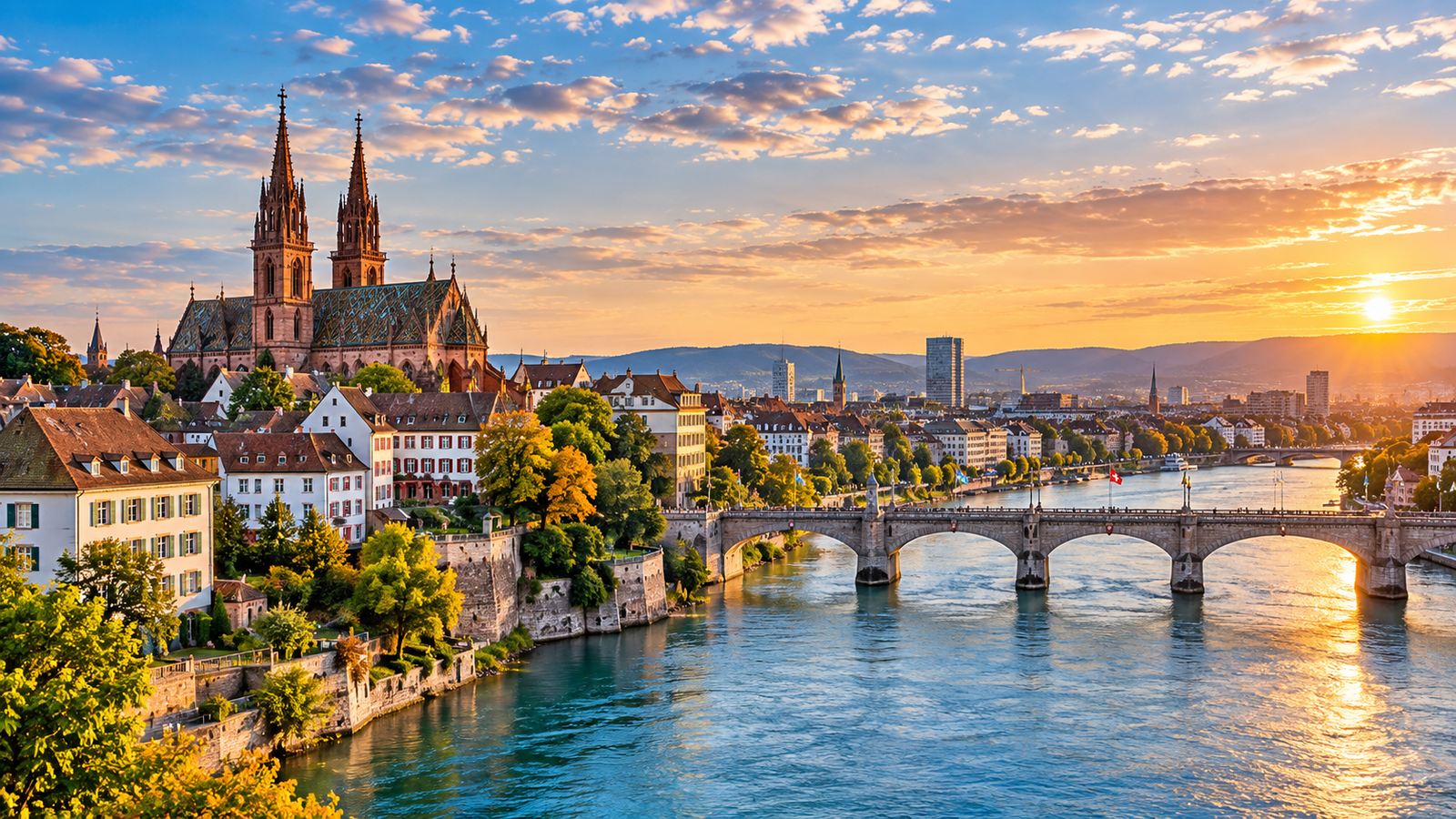
No symbol defines Basel more clearly than the Basel Cathedral, known locally as the Basler Münster. Rising above the Rhine with its red sandstone walls, colorful roof tiles, and twin towers, it dominates the city skyline.
Construction of the cathedral spanned several centuries, resulting in a blend of Romanesque and Gothic architectural styles. The building has survived major historical events, including the devastating Basel earthquake of 1356, and remains one of Switzerland’s most important religious and cultural landmarks. Inside, visitors can see the tomb of Renaissance scholar Erasmus of Rotterdam, whose influence helped shape European humanist thought.
Behind the cathedral lies the Pfalz terrace, one of Basel’s finest viewpoints. From here, visitors enjoy sweeping views across the Rhine toward Kleinbasel, with the Black Forest and Vosges Mountains visible in the distance on clear days. The terrace is a favorite gathering place for locals and visitors alike, especially during warmer months.
A City Shaped by the Rhine
The Rhine is far more than a scenic backdrop in Basel—it is part of the city’s identity.
For centuries, the river supported trade and connected Basel with the wider European continent. Today, it remains the focal point of urban life. Walking paths line both banks, offering scenic routes through the city, while historic bridges connect neighborhoods and provide excellent vantage points for photography.
The Mittlere Brücke, one of Basel’s most recognizable landmarks, has connected the two sides of the city since the Middle Ages. The current bridge dates from the early twentieth century, but a crossing existed here as early as the thirteenth century. From the bridge, visitors can admire the cathedral skyline and appreciate the city’s relationship with the river.
During the summer months, locals often gather along the riverbanks to relax, socialize, and enjoy the water. The Rhine contributes to Basel’s relaxed atmosphere and provides a refreshing contrast to the city’s urban character.
Switzerland’s Cultural Capital
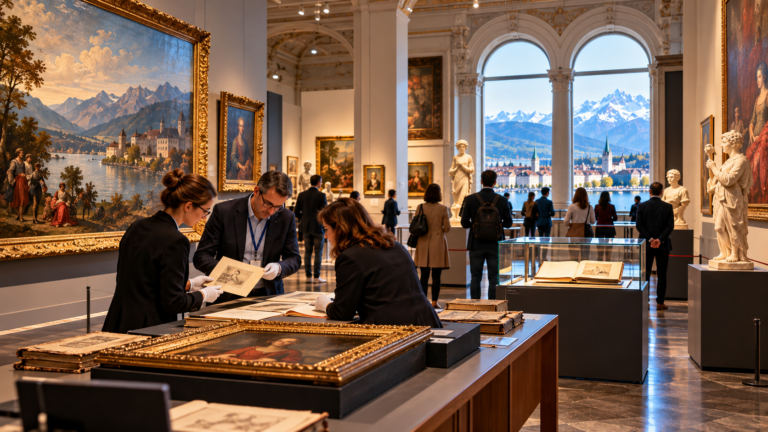
Basel is widely recognized as Switzerland’s cultural capital, a reputation built on an extraordinary concentration of museums, galleries, and artistic institutions.
Art lovers can spend days exploring the city’s museum landscape. The Kunstmuseum Basel is particularly significant, housing one of Europe’s oldest public art collections and presenting works spanning centuries of artistic development. The museum reflects Basel’s long-standing commitment to collecting and preserving art.
Beyond the city center, the Fondation Beyeler in nearby Riehen has earned international recognition for its collection of modern and contemporary art. Museum Tinguely celebrates the work of Swiss artist Jean Tinguely, whose kinetic sculptures continue to fascinate visitors.
Art is not confined to museum walls. Public sculptures, fountains, installations, and architectural landmarks can be found throughout the city, turning ordinary walks into cultural experiences. This seamless integration of art into daily life is one of Basel’s defining characteristics.
Where History and Modern Architecture Coexist
One of Basel’s most fascinating qualities is the way it balances preservation with innovation.
Historic districts remain carefully maintained, yet modern architecture has become equally important to the city’s identity. Internationally renowned architects have left their mark across Basel, creating a cityscape where centuries-old buildings stand beside contemporary masterpieces.
This contrast is especially visible when moving from the medieval streets of the Old Town to modern developments such as exhibition centers, corporate headquarters, and cultural institutions. Rather than competing with one another, these architectural styles create a distinctive urban landscape that reflects Basel’s role as both a historic city and a center of innovation.
Beyond the Main Landmarks
While first-time visitors often focus on the cathedral, museums, and riverfront, Basel rewards those willing to explore further.
The Spalentor, one of the city’s surviving medieval gates, offers a glimpse into Basel’s former defensive walls and trading history. Its towers and decorative details make it one of Switzerland’s most impressive historic gateways.
The St. Alban district, sometimes nicknamed “Little Venice,” presents a quieter side of the city. Narrow lanes, historic houses, canals, and riverside scenery create an atmosphere that feels removed from the busy center.
History enthusiasts can also explore museums dedicated to the region’s past, including collections that trace Basel’s development from prehistoric settlements and Roman influence through the Middle Ages and into modern times. Basel’s historical importance extends far beyond its visible landmarks, encompassing the foundations of Switzerland’s oldest university, humanist scholarship, international trade, and significant religious events.
Planning a Visit to Basel
Basel is accessible throughout the year and offers different experiences across the seasons. Spring and summer bring life to the riverbanks and outdoor spaces, while autumn highlights the city’s cultural calendar. Winter adds festive charm to the historic streets and squares.
The city’s compact layout makes it easy to explore on foot, particularly within the Old Town. An efficient public transportation network of trams and buses provides convenient access to neighborhoods, museums, and nearby attractions.
Whether you arrive for its museums, architecture, history, or riverside atmosphere, Basel delivers a side of Switzerland that many travelers overlook. It is a city where medieval towers overlook modern design, where world-class art shares space with everyday life, and where the Rhine continues to shape the rhythm of one of Europe’s most distinctive cultural destinations.