US Senators Intensify Pressure on UBS Over Investigation Into Nazi-Linked Bank Accounts
A renewed effort by U.S. lawmakers to obtain additional records from UBS has intensified scrutiny of one of the most sensitive investigations involving Switzerland’s banking sector in decades, as questions continue to emerge over previously undisclosed accounts linked to Nazi-era organizations and individuals.
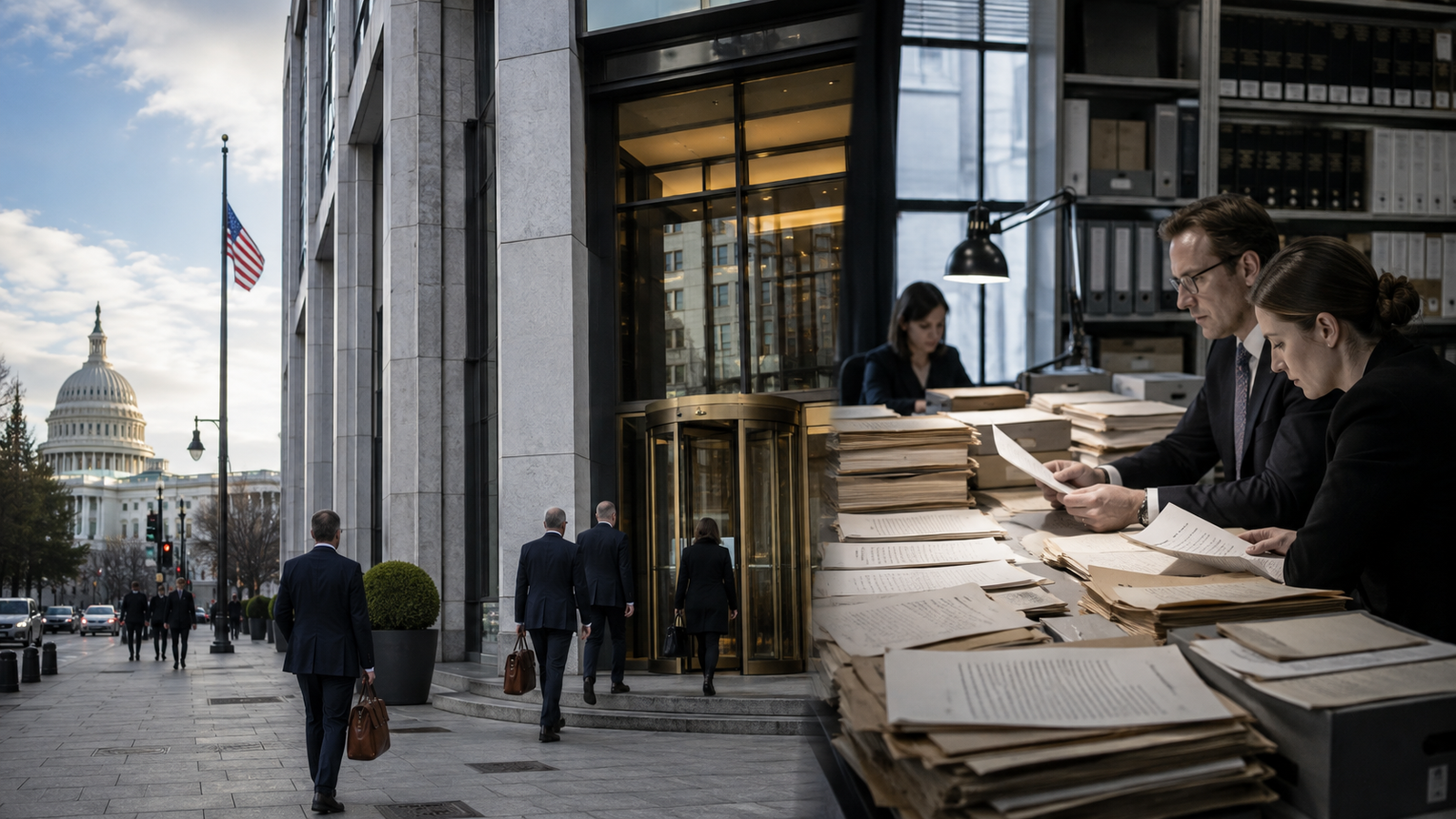
Members of the U.S. Senate are seeking further details from UBS regarding historical accounts connected to entities associated with Nazi Germany, expanding an inquiry that has drawn international attention since new findings surfaced earlier this year. The latest request underscores lawmakers’ determination to examine whether all relevant information concerning wartime banking relationships has been fully disclosed.
The investigation centers largely on records inherited by UBS through its 2023 acquisition of Credit Suisse, one of Switzerland’s most prominent financial institutions. Historical inquiries into Swiss banking activities during and after World War II have taken place for decades, but recent discoveries have reopened questions many believed had been resolved following major settlements and investigations in the late 1990s.
Earlier this year, Senate investigators revealed that a review led by independent investigator Neil Barofsky had identified approximately 890 previously undisclosed accounts with potential connections to Nazi-linked organizations and individuals. According to information presented during Senate proceedings, some accounts were associated with entities including parts of the Nazi government apparatus and organizations tied to the regime during the Second World War.
The findings marked one of the most significant developments in Holocaust-era banking investigations in recent years. Senate officials argued that the newly identified accounts raised questions about whether earlier reviews had captured the full scope of wartime financial relationships maintained by Swiss institutions.
At the center of the dispute is access to documentation. Lawmakers have repeatedly requested records and communications related to the investigation, while UBS has sought to manage legal exposure stemming from historical claims. Earlier court proceedings rejected efforts by the bank to limit potential liability connected to newly emerging evidence, a development that increased attention on the ongoing review.
Senate Judiciary Committee Chairman Chuck Grassley has been among the most vocal advocates for obtaining additional information. He has argued that investigators must be allowed to follow credible leads involving Nazi collaborators, looted assets, and financial networks that may have facilitated postwar movements of former Nazi officials. Senate investigators have maintained that historical accountability requires a thorough examination of all available records.
UBS, for its part, has stated previously that it supports efforts to understand the historical facts and has commissioned independent investigative work. The bank has also emphasized that many Holocaust-related claims involving Swiss banks were addressed through extensive reviews and settlements completed decades ago. Nevertheless, the discovery of additional accounts has complicated assumptions that all relevant historical records had already been examined.
The issue carries significant historical weight because Switzerland’s banking industry has faced recurring scrutiny over dormant accounts, wartime transactions, and assets linked to Holocaust victims. Investigations conducted during the 1990s culminated in major settlements and the establishment of independent review processes intended to identify accounts belonging to victims of Nazi persecution and their heirs. The Volcker Commission, one of the most prominent inquiries, examined millions of historical records across hundreds of Swiss banks.
Those efforts resulted in the identification of thousands of accounts potentially connected to Holocaust victims and contributed to a landmark settlement between Swiss banks and Holocaust survivors. For many observers, however, the newly discovered accounts suggest that questions surrounding wartime banking relationships remain incompletely resolved.
The latest Senate request reflects broader concerns about transparency in historical investigations. Lawmakers have indicated they want additional documentation, investigative findings, and correspondence related to the review process. They argue that access to records is necessary not only to establish historical facts but also to determine whether earlier investigations overlooked significant information.
The controversy arrives at a time when UBS is already navigating heightened political and regulatory attention following its takeover of Credit Suisse. The bank remains engaged in debates over capital requirements, risk management, and regulatory reforms introduced after the 2023 banking crisis. Although unrelated to those regulatory discussions, the renewed focus on Nazi-era accounts adds another layer of public scrutiny for Switzerland’s largest financial institution.
For Holocaust remembrance organizations and researchers, the investigation extends beyond financial records. Many argue that establishing a complete historical record is essential for understanding how wartime assets moved through international financial systems and whether victims or their descendants were denied access to funds that rightfully belonged to them. The Senate inquiry has therefore become part of a broader effort to examine unresolved aspects of World War II-era financial history.
No final conclusions have been announced regarding the newly identified accounts, and investigators continue to review records and supporting documentation. Senate officials have indicated that additional findings may emerge as the inquiry progresses, while UBS has stated it is continuing to cooperate with ongoing reviews.
As lawmakers push for greater access to information, the investigation is increasingly viewed as a test of how modern financial institutions address historical accountability. Decades after the end of World War II, questions surrounding Nazi-linked assets remain capable of generating legal, political and ethical debates on both sides of the Atlantic. The latest Senate action demonstrates that efforts to uncover and document that history are far from over.