Zurich Prepares for Global Spotlight as Ig Nobel Prizes Make Historic European Debut
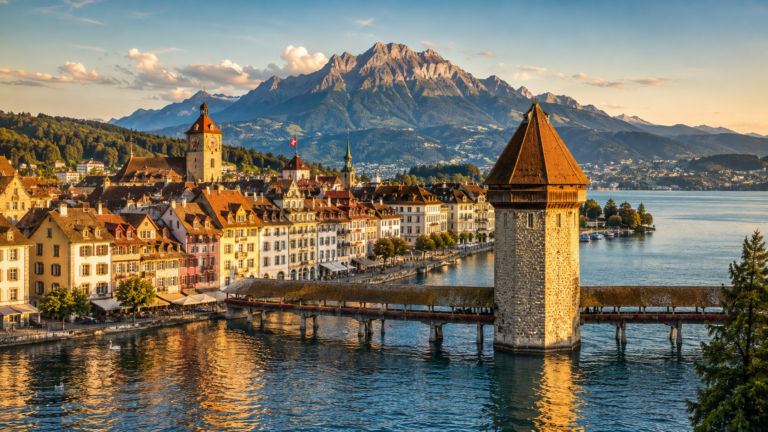
Zurich is preparing to host one of the scientific world’s most unusual and widely recognized events as the Ig Nobel Prize ceremony arrives in Switzerland for the first time, marking a significant departure from a tradition that has been rooted in the United States for more than three decades.
The annual awards, known for honoring research that first provokes laughter and then encourages deeper reflection, have become a celebrated fixture of global science culture. Since their founding in 1991, the prizes have highlighted unconventional studies, surprising discoveries and imaginative investigations that challenge assumptions while making scientific inquiry accessible to broader audiences.
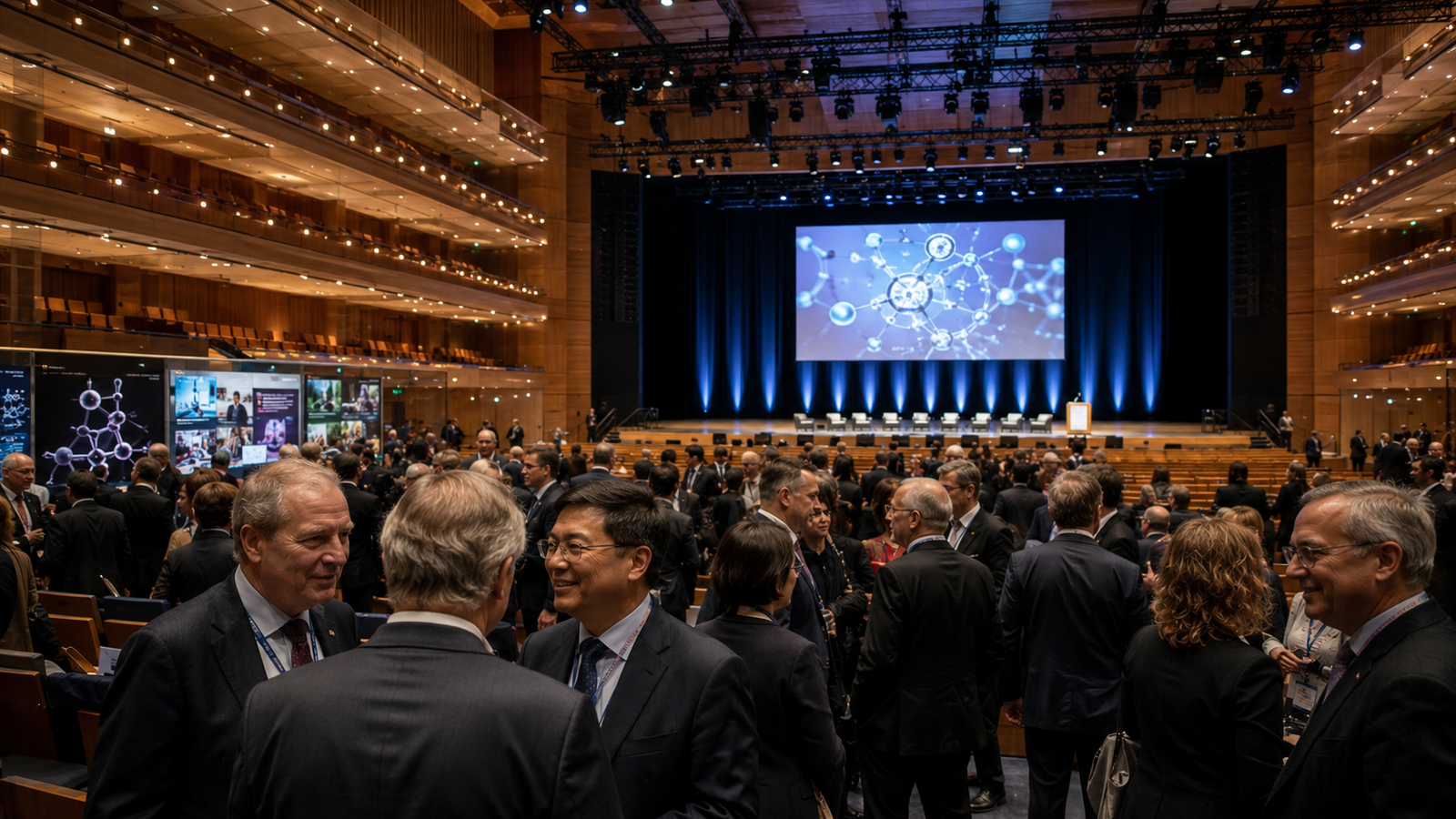
This year’s ceremony is scheduled to take place on September 3 at Zurich’s Kongresshaus, a venue that will welcome scientists, Nobel laureates, students and members of the public from around the world. Organizers expect the event to attract considerable international attention as Switzerland becomes the first country outside the United States to host the awards.
The move represents a historic turning point for the Ig Nobel organization. For 35 years, the ceremony was held in the Boston and Cambridge area, becoming closely associated with institutions such as Harvard University and the Massachusetts Institute of Technology. Earlier this year, organizers announced that Zurich would host the 2026 edition, citing concerns about international travel and visa issues affecting participants visiting the United States.
Created by science writer and editor Marc Abrahams through the publication Annals of Improbable Research, the Ig Nobel Prize was designed to celebrate curiosity-driven research that may initially appear humorous but often reveals meaningful scientific insights. Over time, the awards have become an influential platform for public engagement with science, attracting worldwide media coverage and enthusiastic audiences.
Unlike traditional scientific awards that typically focus on groundbreaking discoveries alone, the Ig Nobels embrace creativity and originality. Winning studies have explored subjects ranging from animal behavior and human psychology to physics experiments involving seemingly bizarre concepts. While the topics often generate amusement, many are based on rigorous peer-reviewed research and contribute genuine knowledge to their respective fields.
One of the ceremony’s enduring appeals is its ability to bridge the gap between science and the public. Researchers who may never receive widespread media attention often find themselves at the center of global conversations because their work presents scientific questions in memorable ways. The event has repeatedly demonstrated that curiosity, humor and serious scholarship can coexist.
The ceremony itself has become famous for its unconventional traditions. Nobel Prize winners participate in presenting the awards, while attendees engage in playful rituals that distinguish the event from formal academic gatherings. Despite its lighthearted reputation, the awards are widely respected within scientific communities for encouraging public interest in research and critical thinking.
Switzerland’s selection as host reflects the country’s strong international reputation in science, research and higher education. Home to world-renowned institutions including the University of Zurich and the federal institutes of technology, Switzerland consistently ranks among the leading nations for innovation and scientific output. The arrival of the Ig Nobel ceremony further strengthens Zurich’s profile as a global center for research and intellectual exchange.
Organizers have indicated that ten new award winners will be recognized during the event. As in previous years, the winning projects are expected to span a diverse range of disciplines, illustrating how scientific discovery can emerge from unexpected questions and unconventional approaches. The identities of the winners traditionally remain closely watched until the ceremony itself.
The relocation also highlights broader discussions about international scientific collaboration. Research increasingly depends on the movement of scholars, students and experts across borders. Organizers have emphasized the importance of ensuring that participants from different countries can attend and contribute to scientific events without unnecessary obstacles.
For Zurich, the event offers more than symbolic significance. It brings international visitors, media attention and an opportunity to showcase Switzerland’s research ecosystem to a global audience. Universities, academic organizations and science communicators are expected to use the occasion to promote public engagement with scientific topics beyond the ceremony itself.
The Ig Nobel legacy includes numerous researchers whose unusual studies later gained broader recognition. In one notable example, physicist Andre Geim received an Ig Nobel Prize in 2000 for an experiment involving magnetic levitation of a frog before later earning the Nobel Prize in Physics for groundbreaking work on graphene. His career remains a frequently cited example of how unconventional research can lead to major scientific advances.
As audiences gather in Zurich, the ceremony is expected to continue its longstanding mission of celebrating curiosity and imagination in research. While the event may generate laughter through unusual scientific questions, its deeper purpose remains unchanged: encouraging people to think critically about the world and appreciate the role of scientific inquiry in everyday life.
The arrival of the Ig Nobel Prizes in Switzerland marks the beginning of a new chapter for an institution that has spent decades challenging conventional perceptions of science. Whether through humor, surprise or genuine discovery, the awards continue to demonstrate that some of the most memorable scientific ideas are often those that initially seem the most unexpected.