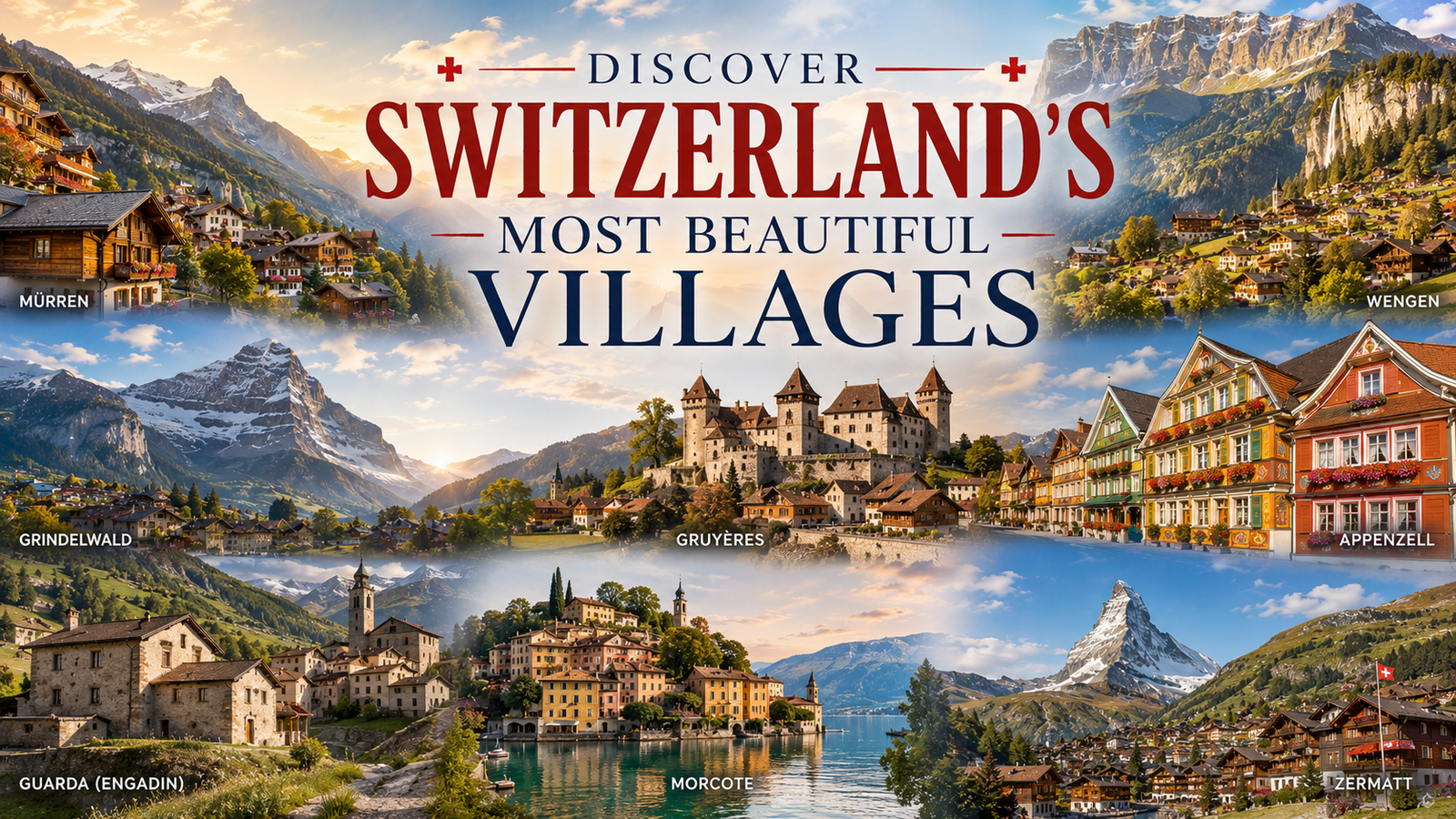
Most Beautiful Villages in Switzerland: Alpine Gems Worth Discovering
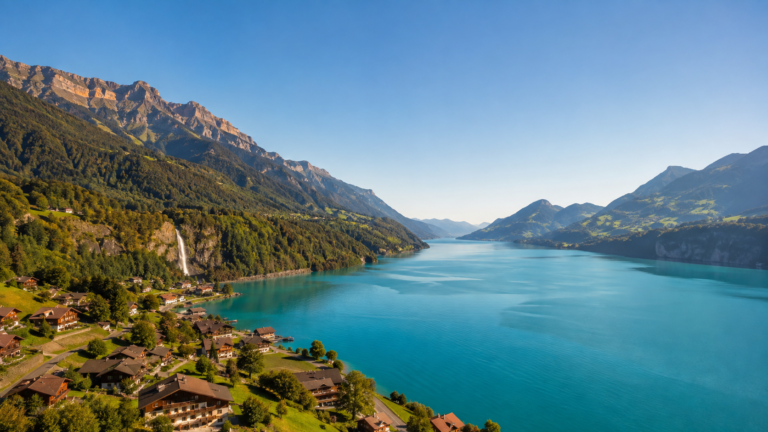
Some of Switzerland’s most memorable destinations are not its cities, famous peaks, or luxury resorts. They are the villages tucked beneath towering mountains, perched above lakes, or hidden within valleys where centuries-old traditions remain part of daily life.
These communities offer something increasingly rare in modern travel: a sense of place. Wooden chalets still line narrow streets, church bells echo across Alpine meadows, and dramatic landscapes shape everyday life much as they have for generations. While Switzerland’s larger destinations often attract international attention, its villages frequently provide the country’s most authentic experiences.
From the Bernese Alps to the shores of Lake Geneva and the remote valleys of Graubünden, these villages showcase the remarkable diversity of Switzerland’s landscapes and cultural heritage.
Mürren: A Mountain Village Above the Clouds
Perched on a natural terrace above the Lauterbrunnen Valley, Mürren is one of Switzerland’s most spectacular mountain villages. Accessible primarily by cable car and mountain railway, the village remains largely free of conventional road traffic, preserving its peaceful Alpine atmosphere.
The views are extraordinary. The Eiger, Mönch, and Jungfrau dominate the skyline, creating one of the most recognizable mountain panoramas in Europe. Traditional chalets, flower-filled balconies, and hiking trails contribute to the village’s enduring appeal.
Mürren is particularly beautiful during summer when meadows bloom with wildflowers, but its snowy winter landscape is equally captivating.
Wengen: Timeless Charm in the Bernese Oberland
Another car-free village in the Jungfrau Region, Wengen sits on a sunny plateau overlooking the Lauterbrunnen Valley. The village combines traditional Swiss architecture with a long history of mountain tourism.
Visitors are greeted by sweeping views of the surrounding peaks and easy access to some of Switzerland’s most famous hiking and skiing areas. Despite its international reputation, Wengen retains a distinctly village atmosphere, with wooden chalets, quiet lanes, and a close connection to Alpine traditions.
The arrival of the historic mountain railway remains one of the most memorable experiences for visitors entering the village.
Grindelwald: Beneath the North Face of the Eiger
Grindelwald is larger than many villages on this list, yet it retains much of its traditional Alpine character. Surrounded by dramatic mountain scenery, it sits beneath the legendary north face of the Eiger, one of the most famous mountains in the Alps.
The village serves as a gateway to hiking trails, mountain railways, and high-altitude viewpoints. Wooden farmhouses and traditional buildings remain part of the landscape, creating a blend of local culture and world-class tourism.
Throughout the year, Grindelwald offers changing scenery, from lush green pastures in summer to snow-covered landscapes in winter.
Gruyères: Medieval Beauty and Culinary Heritage
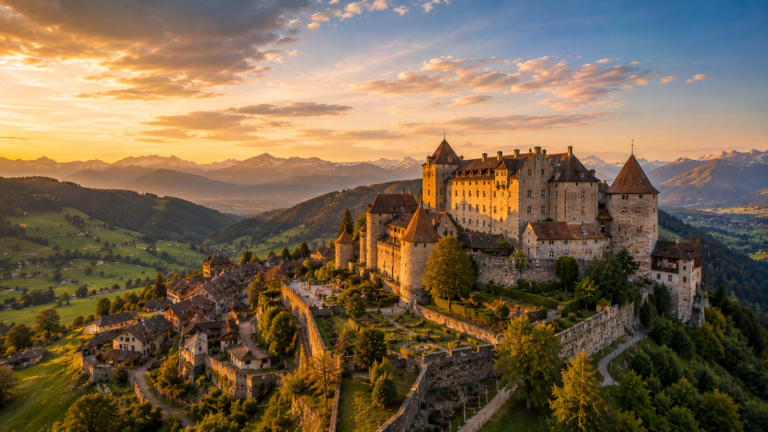
Few Swiss villages feel as timeless as Gruyères. Located in the canton of Fribourg, this medieval hilltop settlement is known worldwide for its association with Gruyère cheese.
The village center preserves historic architecture, cobbled streets, and panoramic views of the surrounding countryside. At its highest point stands Château de Gruyères, a castle that overlooks the region and adds to the village’s storybook appearance.
Gruyères combines history, gastronomy, and scenery in a way that appeals to travelers seeking a cultural experience rather than purely Alpine adventure.
Appenzell: Swiss Tradition Preserved
Nestled among rolling hills in northeastern Switzerland, Appenzell offers a very different vision of Swiss beauty. Instead of towering glaciers and dramatic peaks, visitors encounter colorful buildings, pastoral landscapes, and strong cultural traditions.
The village is famous for its painted façades, traditional customs, and connection to Swiss folk culture. The surrounding Appenzell region remains one of the country’s most distinctive areas, where local traditions continue to play an important role in community life.
For travelers interested in Swiss heritage, Appenzell provides a glimpse into a side of Switzerland often overlooked by international visitors.
Guarda: A Treasure of the Engadin
In the canton of Graubünden, the village of Guarda stands as one of Switzerland’s best-preserved historic communities. Traditional Engadin houses decorated with intricate sgraffito artwork line the village streets, creating an architectural character unique to the region.
Guarda gained additional recognition through its connection to the beloved Swiss children’s story Schellen-Ursli. Yet its appeal extends far beyond literature.
The village’s elevated setting offers impressive views of the Lower Engadin Valley while preserving an atmosphere that feels remarkably unchanged by time.
Morcote: A Lakeside Gem in Ticino
While many beautiful Swiss villages are associated with mountains, Morcote demonstrates the charm of the country’s Italian-speaking south.
Located on the shores of Lake Lugano, the village features arcaded streets, lakeside promenades, historic churches, and Mediterranean vegetation. Palm trees, stone buildings, and terraced gardens create a setting that feels distinct from the Alpine villages of central Switzerland.
Its relaxed atmosphere and scenic location have made Morcote one of Ticino’s most admired destinations.
Soglio: The Gateway to Bergell
The mountain village of Soglio occupies a dramatic position above the Bergell Valley near the Italian border. Surrounded by rugged peaks and chestnut forests, it has long attracted artists, writers, and travelers seeking inspiration.
Stone houses, narrow lanes, and historic buildings contribute to its distinctive character. The village’s location offers extraordinary views of the granite mountains that dominate the landscape.
Soglio remains one of Switzerland’s quieter treasures, rewarding visitors who venture beyond the country’s better-known tourist routes.
Andermatt’s Historic Core
Although Andermatt has developed into a modern mountain destination, its historic village center retains much of its original charm. Situated at an important crossroads in the Swiss Alps, the community has long played a role in Alpine travel and trade.
Traditional buildings, mountain scenery, and easy access to iconic passes such as the Gotthard help preserve its appeal. The village also serves as an excellent base for exploring central Switzerland’s high mountain landscapes.
Its blend of heritage and accessibility makes Andermatt increasingly attractive to modern travelers.
Zermatt: Alpine Beauty Beneath the Matterhorn
No discussion of Swiss villages would be complete without Zermatt. While internationally famous, the village continues to preserve much of its traditional mountain identity.
The absence of conventional vehicles, the presence of historic wooden structures, and the dramatic backdrop of the Matterhorn create one of Switzerland’s most iconic settings. Visitors can explore historic quarters, mountain trails, and scenic rail journeys while enjoying the atmosphere of a community deeply connected to its Alpine environment.
The sight of the Matterhorn rising above the village remains one of Switzerland’s defining travel experiences.
Where Switzerland’s Character Comes Alive
The beauty of Switzerland’s villages extends beyond scenery. These communities reveal how geography, culture, language, and history have shaped different regions of the country over centuries. German-speaking Alpine settlements, medieval hill towns, Italian-influenced lakeside communities, and Romansh villages all contribute to a remarkably diverse national identity.
For travelers planning a Swiss itinerary, spending time in these villages often provides the most memorable moments. The pace is slower, the connection to local culture is stronger, and the landscapes feel closer and more personal. Whether overlooking glaciers, nestled beside lakes, or preserving centuries-old traditions, Switzerland’s most beautiful villages continue to capture the essence of the country better than almost anywhere else.