Jungfrau-Aletsch UNESCO Region, Naters, Switzerland
Jungfrau-Aletsch UNESCO Region: Exploring Switzerland’s Extraordinary Alpine World Heritage Landscape
Some destinations impress visitors with a single landmark. The Jungfrau-Aletsch UNESCO Region captivates through an entire landscape shaped by ice, rock, elevation, and time. Stretching across parts of the cantons of Bern and Valais, this vast protected alpine area represents one of the most significant mountain environments in Europe and one of Switzerland’s most celebrated natural treasures.
Recognized as a UNESCO World Heritage Site in 2001 and later expanded, the Swiss Alps Jungfrau-Aletsch region encompasses some of the most dramatic scenery in the Alps. Towering peaks, extensive glaciers, deep valleys, and diverse ecosystems combine to create a destination that appeals equally to hikers, photographers, mountaineers, nature enthusiasts, and travelers seeking an authentic alpine experience.
A Landscape Defined by Ice and Mountains
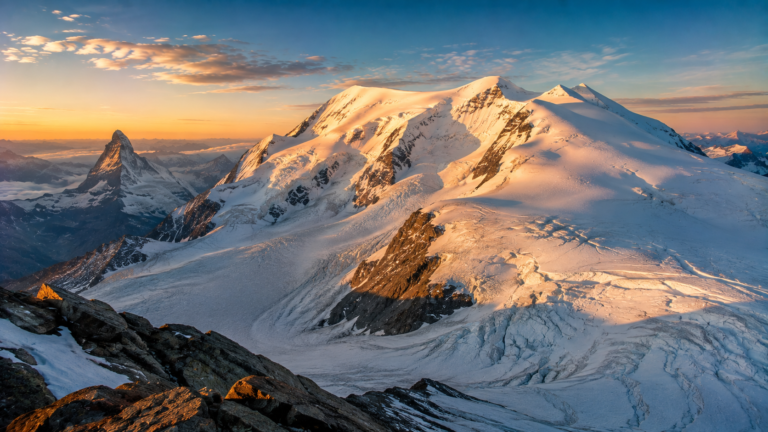
The defining feature of the region is its extraordinary glacial environment. UNESCO describes the area as the most heavily glaciated section of the European Alps, containing an exceptional collection of glacial landforms that reveal the geological story of mountain building and climate evolution.
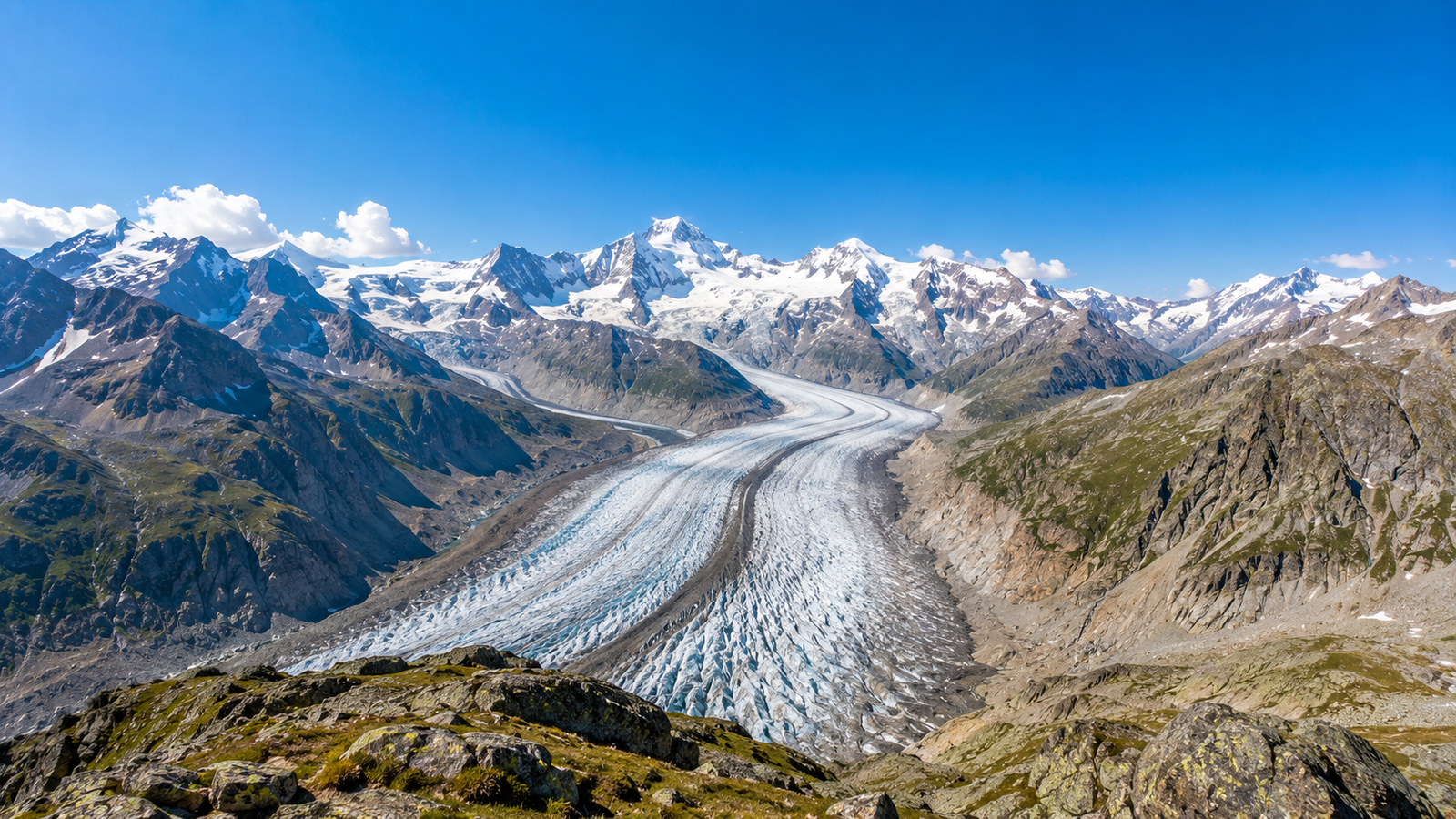
At the heart of the region lies the Great Aletsch Glacier, the largest glacier in the Alps and one of Europe’s most remarkable natural wonders. Extending for more than 20 kilometers through the mountains, this immense river of ice has shaped the surrounding landscape for thousands of years. Viewed from the high ridges above, the glacier appears as a vast frozen highway winding between some of Switzerland’s highest summits.
The region also includes many of the Alps’ iconic peaks. The celebrated trio of Eiger, Mönch, and Jungfrau dominates the northern skyline, while the Finsteraarhorn rises as the highest mountain within the World Heritage area. Together, these peaks create one of the most recognizable mountain panoramas in Europe.
Why UNESCO Recognized the Region
The Jungfrau-Aletsch landscape earned UNESCO recognition not only for its beauty but also for its scientific and ecological importance.
The area offers an outstanding example of the geological forces that created the High Alps. Rock formations, glacial valleys, cirques, moraines, and sharp mountain ridges illustrate millions of years of mountain-building processes. Scientists continue to study the region because it provides valuable evidence of both past and ongoing environmental change.
UNESCO also highlights the site’s role in demonstrating ecological succession. As glaciers retreat, newly exposed terrain becomes a living laboratory where plants gradually establish themselves, creating evolving ecosystems that help researchers understand environmental adaptation and climate impacts.
Beyond science, the landscape has influenced European art, literature, mountaineering traditions, and alpine tourism for generations. The dramatic scenery has inspired explorers and travelers since the early development of mountain tourism in Switzerland.
The Experience of Standing Above the Aletsch Glacier
Many visitors arrive expecting impressive mountain views. Few anticipate the overwhelming scale of the glacier itself.
Popular viewpoints such as Eggishorn, Bettmerhorn, Moosfluh, and Hohfluh provide elevated perspectives over the ice flow. From these locations, the glacier stretches toward the horizon while snow-covered peaks frame the scene in every direction. The experience often feels less like viewing a glacier and more like looking across an icy landscape that belongs to another era.
The glacier’s immense size becomes especially apparent when viewed from high observation platforms or during longer hikes that reveal its winding course through the mountains. Even experienced alpine travelers frequently identify these viewpoints among the most memorable panoramas in Switzerland.
Hiking Through a World Heritage Landscape
The Jungfrau-Aletsch UNESCO Region is one of Switzerland’s premier hiking destinations.
Trails range from gentle scenic walks to demanding alpine routes crossing mountain passes and high ridges. Many routes connect villages, viewpoints, forests, and glacier observation areas, allowing visitors to explore different facets of the World Heritage landscape.
One particularly fascinating feature is the Aletsch Forest. Located above the glacier, this ancient alpine woodland contains centuries-old Swiss stone pines and offers a striking contrast to the icy landscape nearby. Walking through the forest provides an opportunity to experience both the ecological richness and geological diversity that contributed to the area’s UNESCO designation.
The extensive trail network also connects with famous destinations in the Bernese Oberland, creating opportunities for multi-day adventures through some of Switzerland’s most spectacular mountain terrain.
Villages at the Edge of Wilderness
Unlike many protected natural areas, the Jungfrau-Aletsch region exists alongside traditional Alpine communities.
Historic villages such as Grindelwald, Wengen, Mürren, Bettmeralp, Riederalp, and Fiescheralp serve as gateways to the mountains while preserving strong connections to local culture and alpine traditions. These communities provide accommodation, transportation links, and visitor services without diminishing the sense of wilderness that defines the region.
The contrast between inhabited mountain settlements and the vast protected landscapes surrounding them creates a distinctive travel experience. Visitors can spend the morning exploring a centuries-old village and the afternoon overlooking glaciers and peaks that appear untouched by human activity.
A Region That Changes With the Seasons
Each season reveals a different side of the Jungfrau-Aletsch UNESCO Region.
Summer transforms the landscape into a network of hiking trails surrounded by alpine meadows and wildflowers. Long daylight hours provide excellent conditions for sightseeing, photography, and outdoor exploration.
Autumn often brings clear skies and exceptional visibility, making it a favorite season for landscape photographers. The changing colors of alpine forests add additional contrast to the snowy peaks.
Winter introduces an entirely different atmosphere. Snow blankets the mountains, ski resorts become active, and the region takes on the appearance of a vast alpine wilderness. Mountain railways and cable cars continue to provide access to remarkable viewpoints throughout the colder months.
Spring offers dramatic scenes as snow gradually retreats from lower elevations while glaciers remain prominent across the high mountains.
Reaching the Jungfrau-Aletsch UNESCO Region
One reason for the region’s popularity is its accessibility. Switzerland’s renowned transportation network allows visitors to reach mountain villages and viewpoints using trains, cable cars, and mountain railways.
Major gateways include Interlaken in the Bernese Oberland and communities in the Upper Valais region. From there, an extensive network of public transportation provides access to hiking areas, glacier viewpoints, and mountain attractions throughout the World Heritage landscape.
The journey itself often becomes part of the experience, with scenic rail routes climbing through valleys and mountain lifts revealing increasingly dramatic views.
More Than a Scenic Destination
The Jungfrau-Aletsch UNESCO Region is often described as one of the world’s great mountain landscapes, but its significance extends beyond visual beauty. It serves as a living record of geological history, a refuge for alpine ecosystems, and an important symbol of environmental conservation.
Travelers arrive for the famous peaks and glaciers, yet many leave with a deeper appreciation for the natural forces that shaped the Alps. Whether viewed from the Jungfraujoch, explored on foot through alpine trails, or admired from a quiet ridge overlooking the Aletsch Glacier, the region delivers an experience that captures the essence of Switzerland’s mountain heritage and demonstrates why UNESCO considers it a place of outstanding universal value.