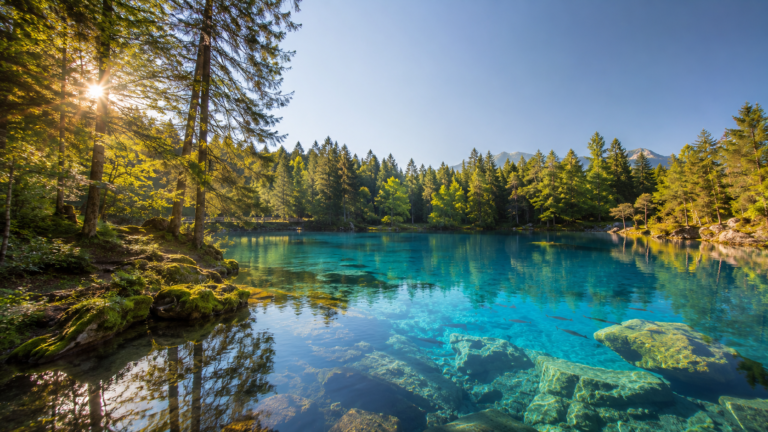
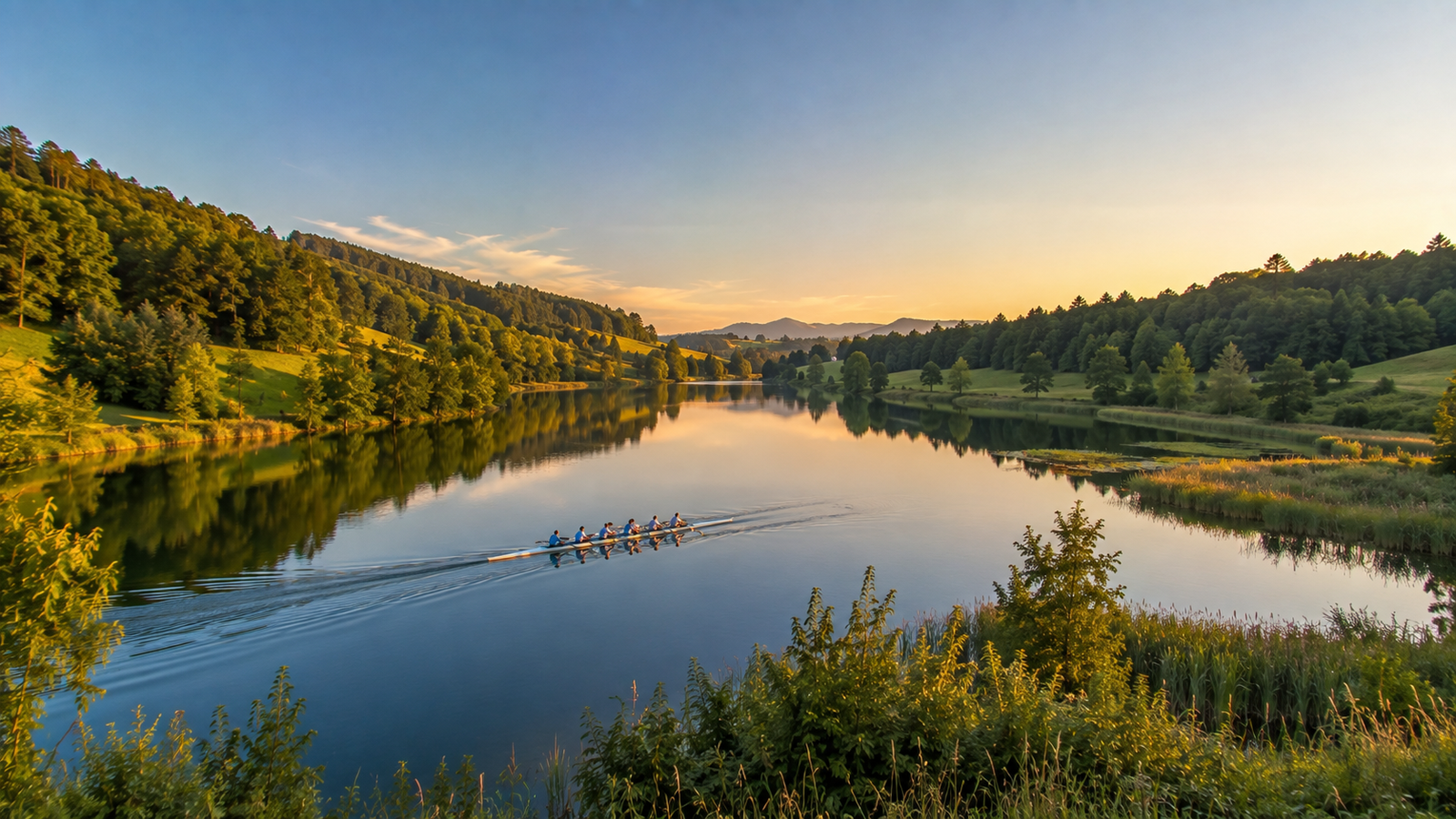
Lake Rotsee, Lucerne
Lake Rotsee: Switzerland’s Quiet Urban Nature Escape and World-Class Rowing Venue
Just a few minutes from the historic center of Lucerne lies a landscape that many international visitors overlook. While travelers often head toward Lake Lucerne, Mount Pilatus, or the famous Chapel Bridge, a smaller body of water quietly offers one of central Switzerland’s most interesting combinations of wildlife, recreation, and sporting heritage.
Lake Rotsee may not possess the scale of Switzerland’s great Alpine lakes, but its significance extends far beyond its modest size. Surrounded by wooded hills and protected natural areas, the lake has earned an international reputation in competitive rowing while remaining a peaceful refuge for walkers, birdwatchers, and residents seeking a break from city life.
Its ability to combine ecological importance with sporting excellence makes Lake Rotsee one of the most distinctive destinations in the Lucerne region.
A Natural Lake on the Edge of the City
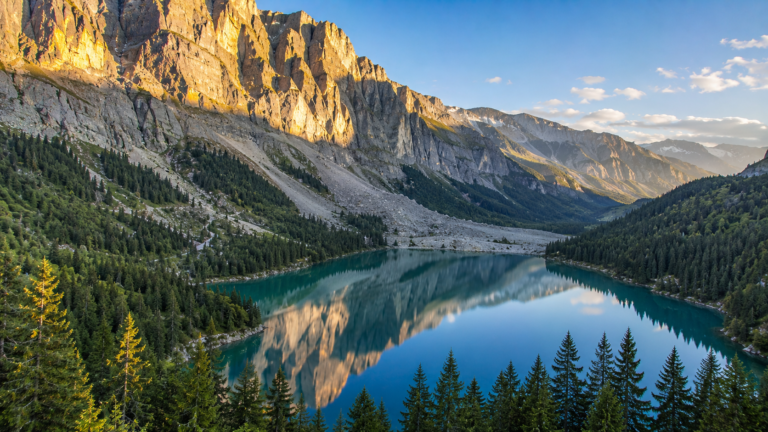
Lake Rotsee occupies a narrow valley northeast of Lucerne. Although located close to urban neighborhoods, the setting feels surprisingly secluded. Forested slopes frame much of the shoreline, helping shield the lake from surrounding development and preserving its tranquil atmosphere.
The lake’s elongated shape contributes significantly to its character. Stretching through a naturally protected corridor, the waterway appears almost purpose-built for rowing competitions. Calm conditions and limited exposure to strong winds have helped establish its international reputation.
Despite its proximity to one of Switzerland’s most visited cities, Lake Rotsee retains a distinctly natural appearance. Visitors often find it difficult to believe they are only a short distance from Lucerne’s busy streets and transportation hubs.
This contrast between urban accessibility and environmental serenity is one of the lake’s defining qualities.
Why Rotsee Is Known as the “Lake of the Gods”
Within the world of rowing, Lake Rotsee holds legendary status.
For decades, the lake has hosted major national and international rowing competitions. Its straight course, reliable water conditions, and scenic surroundings have made it one of Europe’s most respected rowing venues.
The nickname “Lake of the Gods” emerged within rowing circles because athletes regard the venue as one of the finest natural racecourses in the world. Elite rowers from numerous countries have competed here, and the lake has regularly featured on the international rowing calendar.
During major events, spectators gather along the shoreline to watch competitions unfold against a backdrop of forests and rolling hills. Unlike large stadium venues, Rotsee provides an intimate connection between athletes, nature, and audience.
Even outside competition periods, rowing remains a visible part of daily life on the lake. Training crews frequently glide across the calm water during morning and evening sessions, creating scenes that have become synonymous with Rotsee.
A Haven for Wildlife
While rowing attracts international attention, nature remains equally important to Lake Rotsee’s identity.
Parts of the lake and surrounding areas enjoy environmental protection due to their ecological value. Wetlands, reed beds, and shoreline habitats support numerous plant and animal species throughout the year.
Birdwatchers are especially drawn to the lake because of its importance as a habitat and resting area for migratory birds. Depending on the season, visitors may observe waterfowl, herons, and other species inhabiting or passing through the region.
The protected shoreline vegetation provides shelter for wildlife while helping maintain water quality and ecological balance. These conservation efforts have allowed nature to flourish despite the lake’s proximity to a major urban center.
For visitors interested in experiencing Switzerland’s natural environment without venturing deep into the Alps, Lake Rotsee offers an accessible and rewarding alternative.
Walking Through a Living Landscape
One of the most enjoyable ways to experience Lake Rotsee is on foot.
Paths and walking routes around the lake allow visitors to explore changing perspectives of the water, forests, and surrounding hills. The relatively gentle terrain makes the area accessible to a wide range of visitors, including families and casual walkers.
Unlike mountain destinations where dramatic elevation changes dominate the experience, Rotsee encourages slower observation. Walkers can appreciate reflections on the water, seasonal changes in vegetation, and the presence of wildlife along the shoreline.
The route around the lake is particularly attractive during early morning hours when mist occasionally hovers above the water and rowing teams begin their training sessions. These quiet moments reveal why the lake holds such appeal for local residents.
The combination of accessibility and natural beauty makes Lake Rotsee a year-round destination rather than a purely seasonal attraction.
The Changing Character of the Seasons
Every season brings a different atmosphere to Lake Rotsee.
Spring introduces fresh vegetation and renewed bird activity. Trees surrounding the lake gradually regain their color, and longer daylight hours encourage outdoor recreation.
Summer is the busiest period. Rowing events, walking excursions, and outdoor activities attract visitors while warm temperatures create ideal conditions for enjoying the surrounding landscape.
Autumn transforms the wooded hills into a mosaic of yellow, orange, and red tones. Reflections of autumn foliage on the lake often create some of the most photogenic scenes of the year.
Winter reveals a quieter side of Rotsee. Frost-covered vegetation and occasional snowfall produce a peaceful landscape that feels far removed from nearby urban life. Even during colder months, the walking paths continue to attract visitors seeking fresh air and natural scenery.
Because the lake changes so dramatically throughout the year, repeat visits often reveal entirely different experiences.
A Different Side of Lucerne
Many visitors associate Lucerne primarily with medieval architecture, historic landmarks, and mountain excursions. Lake Rotsee offers a complementary perspective.
Rather than showcasing Switzerland’s grandest scenery, it highlights the country’s ability to integrate conservation, recreation, and community life within a highly developed environment.
The lake demonstrates how natural landscapes can remain protected even near growing urban centers. It also reflects Switzerland’s longstanding commitment to outdoor sports and environmental stewardship.
For travelers spending several days in Lucerne, a visit to Rotsee provides a welcome contrast to busier attractions. The atmosphere is more local, quieter, and deeply connected to everyday life in the region.
Easily Accessible Yet Often Overlooked
One of Rotsee’s greatest advantages is its convenience.
The lake can be reached easily from Lucerne using local transportation networks, cycling routes, or even on foot from certain parts of the city. This accessibility makes it an excellent option for visitors seeking a short excursion without extensive travel planning.
Yet despite its location, Rotsee remains surprisingly absent from many international itineraries. Travelers who make the effort to explore beyond Lucerne’s most famous landmarks often discover one of the area’s most rewarding hidden gems.
The experience is not defined by dramatic peaks or famous monuments. Instead, it is shaped by subtle qualities: still water, birds moving through reeds, rowers training at sunrise, and forested hills reflected on a calm lake surface.
These elements combine to create a destination that feels authentically Swiss—carefully protected, naturally beautiful, and seamlessly woven into the lives of the people who live nearby. Lake Rotsee may be smaller than many of Switzerland’s celebrated lakes, but its unique blend of sporting prestige and ecological richness leaves a lasting impression long after visitors leave its shores.