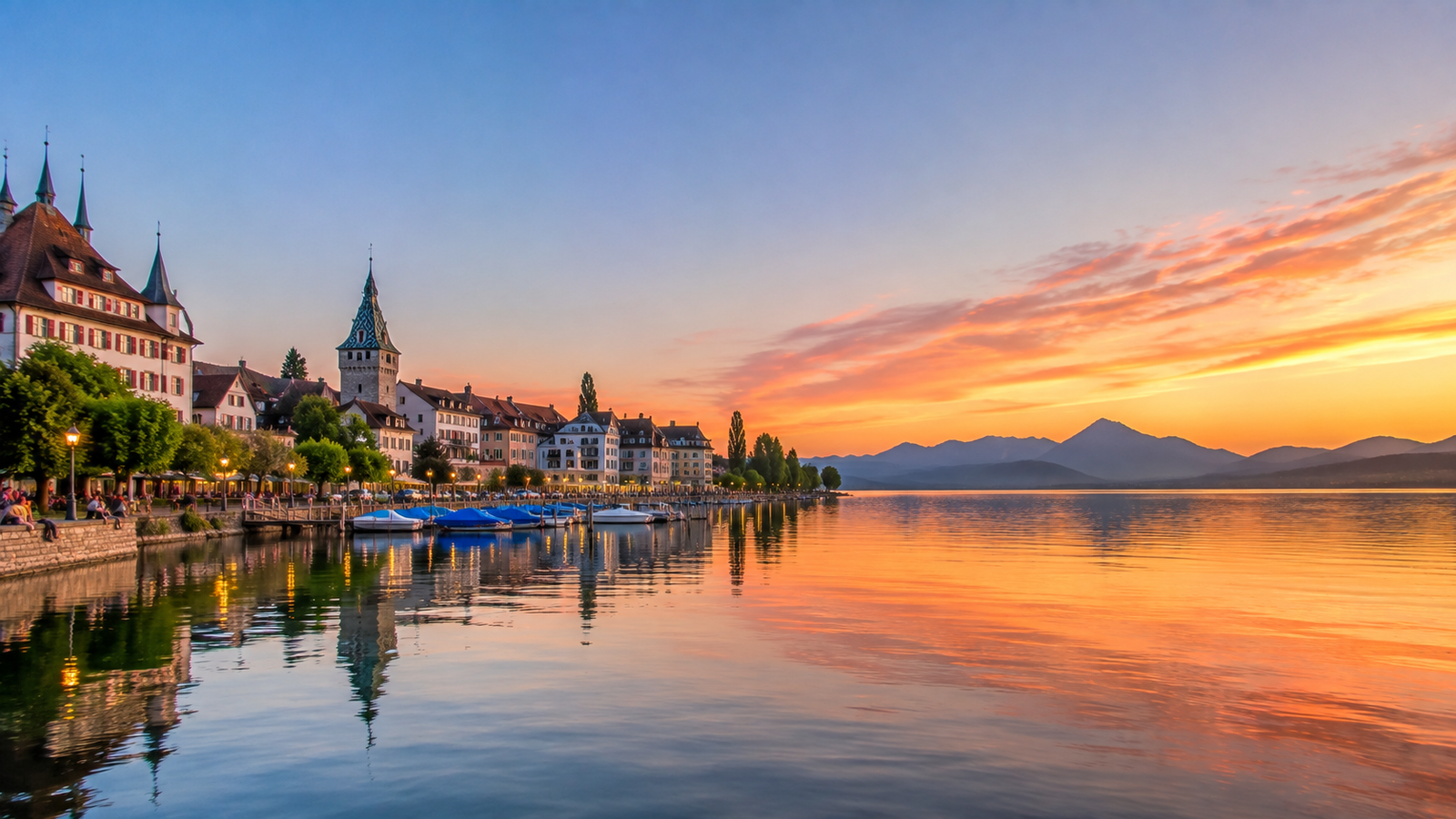
Lake Zug, Zug, Switzerland
Lake Zug: Switzerland’s Lake of Sunsets, Cherries, and Alpine Views
In a country celebrated for mountain landscapes, Lake Zug occupies a unique position. It lies between some of Switzerland’s most economically dynamic communities and a landscape of rolling hills, orchards, historic lakeside towns, and distant Alpine peaks.
Known locally as Zugersee, the lake is often overshadowed by larger and more famous neighbors such as Lake Lucerne and Lake Zurich. Yet visitors who take the time to explore its shores quickly discover one of central Switzerland’s most appealing destinations.
Lake Zug combines cultural heritage, outdoor recreation, exceptional accessibility, and some of the most admired sunsets in the country. Its waterfront promenades, historic old towns, panoramic viewpoints, and tranquil cruising routes create an experience that feels distinctly Swiss while remaining refreshingly uncrowded.
For travelers seeking a blend of scenery, history, and local character, Lake Zug offers an ideal introduction to the heart of central Switzerland.
A Lake Between Mountains and Metropolitan Switzerland
Lake Zug occupies a strategic position between Zurich and Lucerne, placing it at the crossroads of some of Switzerland’s most important transportation and economic corridors.
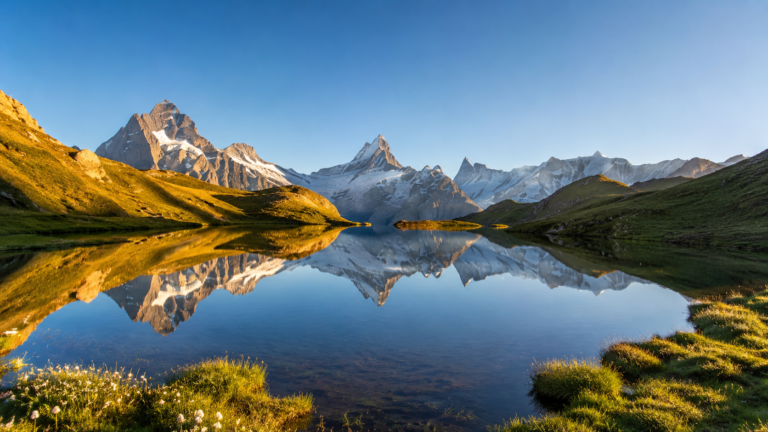
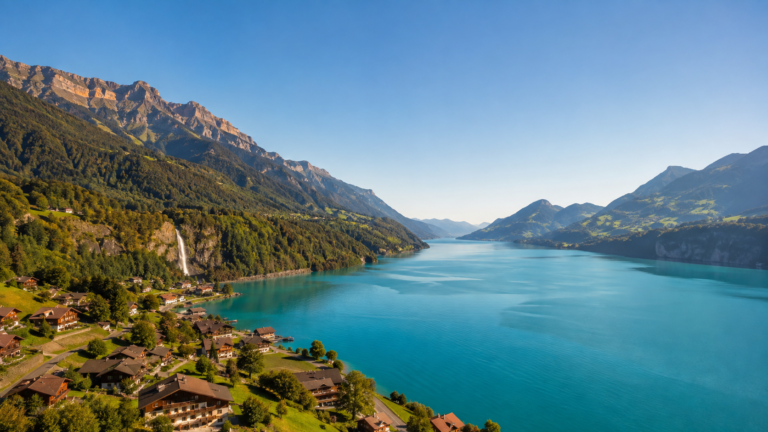
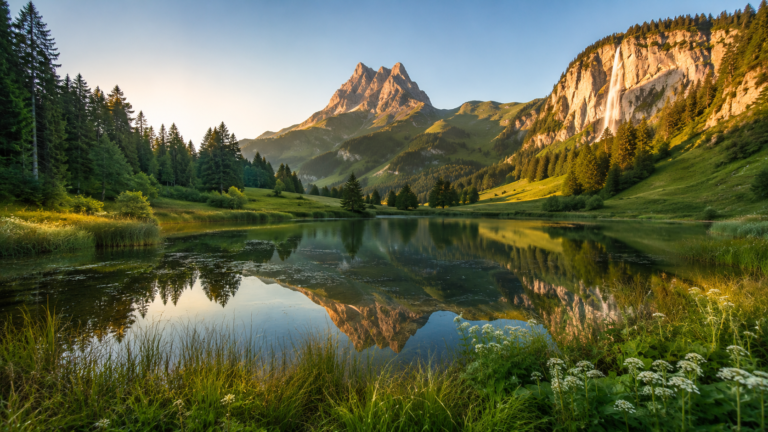
Despite this location, the lake maintains a remarkably relaxed atmosphere. Forested hills rise from its shores, agricultural landscapes stretch into the surrounding countryside, and the distant Alps form a dramatic backdrop on clear days.
Like many Swiss lakes, Lake Zug originated during the Ice Age. Glacial activity carved the basin that would later fill with water as the ice retreated. Today, the lake extends through the cantons of Zug, Schwyz, and Lucerne, connecting several communities that have long depended on the waterway for transportation, commerce, and recreation.
Its geographical position gives visitors an unusual combination of accessibility and natural beauty rarely found so close to major urban centers.
The City of Zug and Its Historic Waterfront
The city of Zug serves as the lake’s cultural and administrative center.
Modern Zug is internationally known as a business and technology hub, yet its historic core preserves a very different atmosphere. Along the lakefront, visitors encounter a picturesque Old Town characterized by colorful medieval buildings, narrow streets, towers, and centuries-old architecture.
The lakeside promenade is among the city’s defining attractions. Residents and visitors gather here throughout the year to walk along the waterfront, enjoy open views across the lake, and watch boats move between lakeside communities.
Landmarks such as the Zytturm clock tower and the historic harbor contribute to the city’s distinctive character. Unlike many urban waterfronts, Zug’s shoreline maintains a sense of openness and connection to nature.
This balance between historical heritage and modern prosperity is one of the reasons the city continues to rank among Switzerland’s most attractive places to live and visit.
Switzerland’s Famous Sunset Lake
Ask Swiss travelers what makes Lake Zug special, and many will mention the sunsets.
The lake’s orientation and surrounding topography create ideal conditions for evening light displays. As the sun descends behind the western hills, the water often reflects vivid shades of gold, orange, pink, and deep blue.
During clear weather, the spectacle can be extraordinary. The distant Alps become silhouettes against the glowing horizon while reflections ripple across the lake surface.
Local residents have long regarded the waterfront as one of the best places in Switzerland to experience sunset views, and visitors frequently schedule evening walks or lake cruises specifically to witness the changing colors.
The sunsets are not merely a seasonal phenomenon. Throughout much of the year, the lake offers dramatic evening scenery that has become part of its identity.
Exploring the Lake by Boat
Cruising remains one of the most enjoyable ways to experience Lake Zug.
Passenger vessels connect communities around the shoreline while providing uninterrupted views of surrounding landscapes. From the water, visitors can appreciate the contrast between historic lakeside towns, forested slopes, agricultural areas, and distant mountain ranges.
Unlike larger lakes where journeys may take many hours, Lake Zug offers an intimate cruising experience. The shoreline remains consistently visible, creating a strong connection between passengers and the surrounding environment.
Seasonal cruises are particularly popular during warmer months, allowing travelers to combine sightseeing with dining, relaxation, and photography.
The perspective gained from the water reveals aspects of the region that are difficult to appreciate from land alone.
The Land of Cherries
Lake Zug is closely associated with one of Switzerland’s most recognizable agricultural traditions.
The region surrounding the lake is famous for cherry cultivation. Hillsides and orchards around Zug have produced cherries for centuries, contributing to local culinary traditions and agricultural heritage.
These cherries are used in a variety of regional specialties, including desserts, preserves, and the renowned cherry spirits for which the region is known.
Spring brings a particularly beautiful transformation to the landscape as cherry trees bloom across the countryside. The white blossoms create striking contrasts against green hills and blue lake waters, attracting photographers and nature enthusiasts alike.
This agricultural identity adds another layer to the lake’s cultural character and distinguishes it from many other Swiss destinations.
Lakeside Communities Worth Exploring
Although the city of Zug receives much of the attention, several smaller communities around the lake contribute to its appeal.
Towns such as Arth, Walchwil, Immensee, and Cham offer quieter experiences while maintaining strong connections to the lake. Their waterfronts, village centers, and surrounding landscapes provide opportunities to explore local life beyond the region’s urban core.
Walchwil, in particular, is known for its attractive lakeside setting and views toward the Alps. Cham combines historical heritage with scenic recreation areas, while communities on the southern shore provide convenient access to nearby mountain excursions.
Together, these towns create a diverse collection of destinations linked by the lake itself.
Outdoor Activities Along the Shore
Lake Zug supports a wide range of recreational opportunities throughout the year.
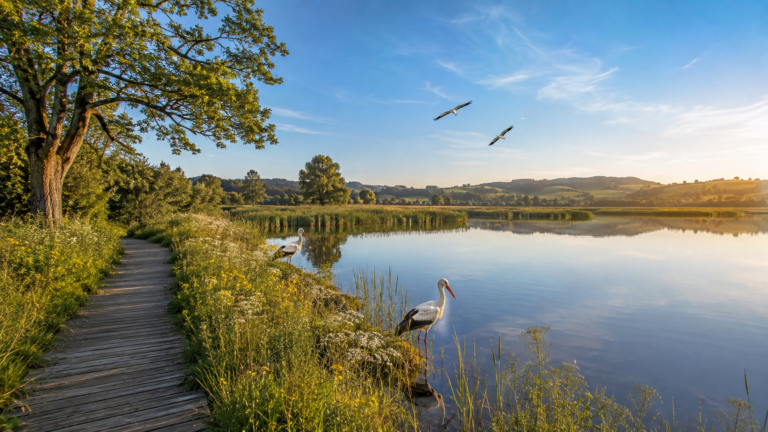
Walking and cycling routes follow sections of the shoreline, providing access to parks, beaches, viewpoints, and nature areas. Many paths offer uninterrupted lake views while remaining accessible to visitors of varying fitness levels.
Swimming is popular during summer, particularly at designated lakeside facilities. Sailing, paddleboarding, rowing, and other non-motorized water activities also attract residents and visitors.
The relatively mild terrain surrounding much of the lake makes it especially suitable for families and casual outdoor enthusiasts.
Unlike destinations focused solely on adventure tourism, Lake Zug offers recreation that emphasizes enjoyment of the landscape rather than physical challenge.
Views Toward Mount Rigi and the Alps
One of the lake’s most appealing features is its relationship with the surrounding mountains.
On clear days, visitors can enjoy impressive views toward Mount Rigi and sections of the central Swiss Alps. These distant peaks provide a dramatic backdrop without dominating the landscape.
The contrast between calm lakeside scenery and rugged mountain horizons creates a visual balance that defines much of central Switzerland.
Numerous viewpoints around the lake enhance this experience, allowing visitors to appreciate how water, countryside, and mountains interact within a relatively compact region.
These perspectives help explain why artists, photographers, and travelers have long been drawn to the area.
The Lake Through the Seasons
Each season reveals a different side of Lake Zug.
Spring is marked by cherry blossoms, fresh greenery, and increasingly active waterfronts. The countryside becomes particularly colorful as orchards come into bloom.
Summer brings boating, swimming, outdoor dining, and long evenings beside the water. Lakeside promenades become gathering places for residents and visitors alike.
Autumn introduces golden foliage and clear atmospheric conditions that often produce exceptional mountain views.
Winter offers a quieter experience. Frosty mornings, low winter sunlight, and peaceful waterfront scenes create a different but equally appealing mood.
Because the lake remains accessible year-round, visitors can appreciate these seasonal transformations whenever they choose to travel.
Lake Zug succeeds by offering variety without sacrificing authenticity. It is a place where medieval streets lead to modern waterfront promenades, where cherry orchards overlook a historic lake, and where Alpine views complement rather than dominate the scenery. In a country famous for dramatic landscapes, Lake Zug demonstrates that Switzerland’s most memorable destinations are often those that combine natural beauty with a strong sense of place.