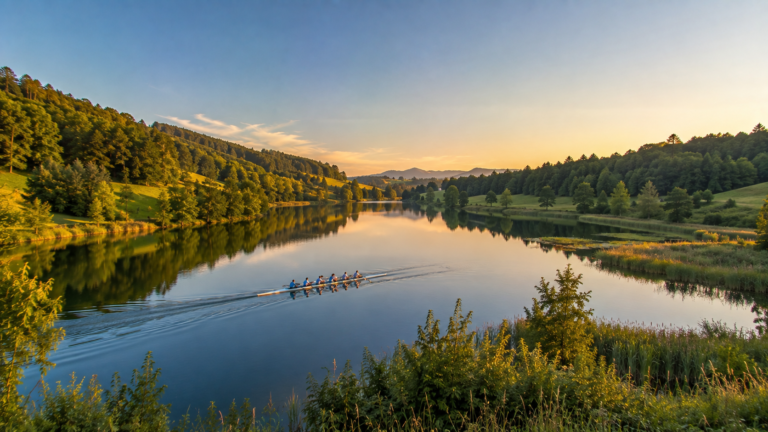
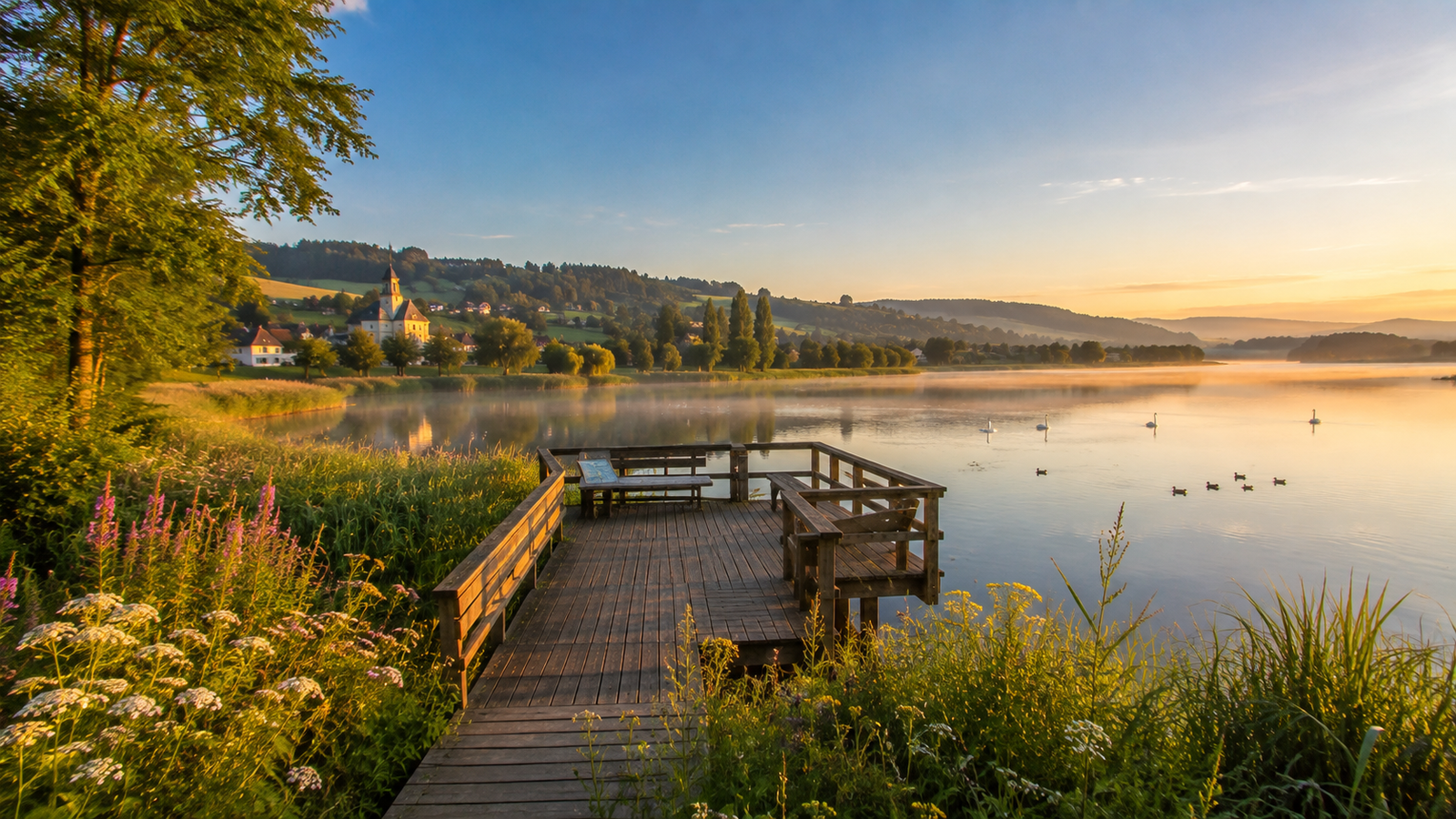
Lake Greifen, Greifensee, Switzerland
Lake Greifen: Zurich’s Wildlife Haven Where Nature Takes Center Stage
Less than an hour from downtown Zurich, a very different Switzerland begins to emerge.
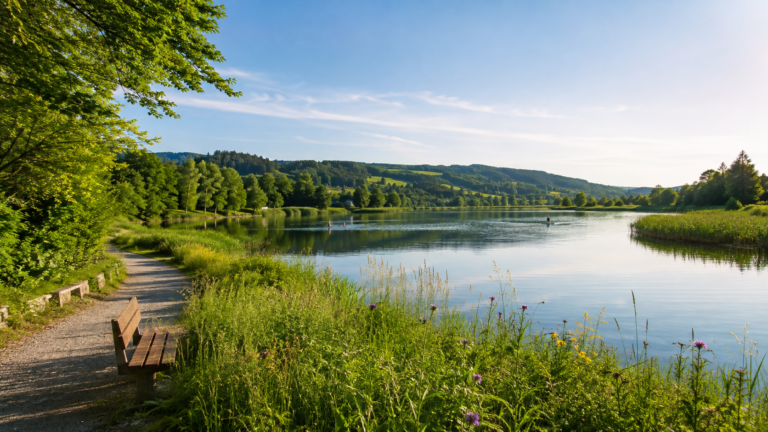
The skyline of the country’s largest city gradually gives way to reed-filled shorelines, open wetlands, historic lakeside settlements, and one of the most important wildlife habitats in northern Switzerland. Here, around the shores of Lake Greifen, nature remains the dominant force.
Known in German as Greifensee, Lake Greifen is the second-largest lake entirely within the Canton of Zurich. While it lacks the dramatic mountain scenery associated with Switzerland’s alpine destinations, it offers something increasingly rare in modern Europe: a protected freshwater landscape where ecological preservation, recreation, and local history exist side by side.
For visitors seeking an authentic outdoor experience close to Zurich, Lake Greifen presents an appealing combination of natural beauty, cultural heritage, and accessible exploration.
A Lake Formed by Ice and Time
Like many lakes across the Swiss Plateau, Lake Greifen owes its existence to the glaciers that once covered much of northern Switzerland.
During the last Ice Age, powerful glaciers carved broad depressions into the landscape. As the ice retreated, meltwater filled these basins, creating a series of lakes that continue to define the geography of the region today.
Lake Greifen occupies one of these glacial basins east of Zurich. Stretching through a gently rolling landscape of farmland, forests, and wetlands, the lake forms an important ecological corridor within the densely populated Zurich metropolitan area.
Unlike the steep-sided lakes of the Alps, Lake Greifen is characterized by relatively shallow shores and extensive marshlands. These features have played a crucial role in shaping the area’s biodiversity.
One of Switzerland’s Most Important Nature Reserves
The defining characteristic of Lake Greifen is not its size or recreational facilities but its ecological significance.
Large sections of the shoreline are protected under national and cantonal conservation programs. The wetlands surrounding the lake rank among the most valuable habitats in the Zurich region, supporting numerous species of birds, amphibians, insects, and aquatic plants.
Because of its importance for wildlife, portions of the shoreline remain largely untouched by development. Extensive reed belts create ideal breeding and resting areas for waterfowl and migratory birds, while shallow waters provide essential habitat for aquatic ecosystems.
Conservation efforts have helped preserve much of the lake’s natural character despite its proximity to one of Switzerland’s largest urban areas. As a result, Lake Greifen has become an outstanding example of how environmental protection and public access can coexist.
A Paradise for Birdwatchers
Among Swiss birdwatching destinations, Lake Greifen enjoys a particularly strong reputation.
The combination of wetlands, open water, reed beds, and surrounding meadows attracts a remarkable variety of bird species throughout the year. Resident populations share the lake with migratory birds using the area as a seasonal stopover.
Observation towers and designated viewing areas around the lake allow visitors to experience wildlife without disturbing sensitive habitats. Depending on the season, birdwatchers may encounter herons, grebes, ducks, swans, raptors, and numerous smaller species associated with wetland environments.
Even visitors with little knowledge of ornithology often find themselves captivated by the abundance of wildlife. The lake offers a rare opportunity to observe nature in a setting that remains both accessible and well protected.
Exploring the Shoreline on Foot and by Bicycle
One of the most enjoyable ways to experience Lake Greifen is by following the network of trails that circle much of the shoreline.
The route around the lake is popular with walkers, runners, and cyclists. Unlike mountain hiking routes, the terrain remains relatively gentle, making it suitable for a wide range of ages and fitness levels.
The journey passes through diverse landscapes. Visitors move between nature reserves, lakeside meadows, historic villages, forests, and observation points that reveal changing perspectives across the water.
Throughout the route, information panels help explain the ecological and historical significance of the area, enriching the experience beyond simple sightseeing.
The combination of easy accessibility and varied scenery has made the lake one of the Zurich region’s favorite outdoor destinations.
The Historic Town of Greifensee
While nature dominates the lake’s identity, history also plays an important role.
The small town of Greifensee, situated along the lake’s eastern shore, preserves one of the region’s most attractive historic centers. Its medieval origins remain visible in narrow streets, traditional buildings, and the well-preserved castle that overlooks the settlement.
Greifensee Castle dates to the Middle Ages and has long served as a landmark for travelers and residents alike. Together with the surrounding historic core, it offers visitors an opportunity to explore a different side of the Zurich region—one rooted in centuries of local history rather than modern urban development.
The town’s waterfront location adds further appeal, providing scenic views across the lake and easy access to walking routes.
Water Recreation with Environmental Balance
Although Lake Greifen is primarily known for its ecological value, recreational activities remain an important part of the visitor experience.
Swimming areas, boating opportunities, and lakeside recreation are available in designated locations. Careful management ensures that these activities coexist with conservation goals, protecting sensitive habitats while allowing people to enjoy the lake responsibly.
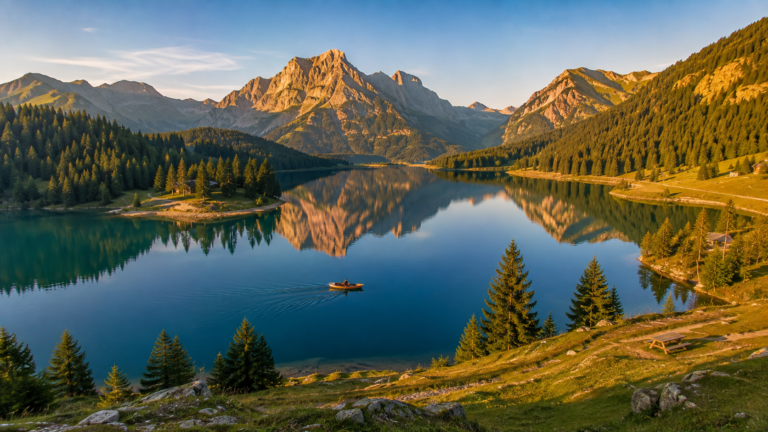
Non-motorized boating is particularly popular, offering a quiet way to experience the lake from the water. The absence of intensive commercial development contributes to a peaceful atmosphere that distinguishes Lake Greifen from busier recreational lakes.
Visitors often appreciate this balance. The focus remains on nature rather than entertainment infrastructure, preserving the qualities that make the lake unique.
Seasonal Experiences Around the Lake
Each season reveals a different side of Lake Greifen.
Spring brings migrating birds, fresh vegetation, and increasing wildlife activity throughout the wetlands. This is one of the most rewarding times for nature observation.
Summer transforms the lakeshore into a popular destination for walking, cycling, picnicking, and swimming. Long daylight hours encourage visitors to spend entire days exploring the region.
Autumn introduces changing foliage and quieter trails. Morning mist often drifts across the water, creating atmospheric scenes favored by photographers.
Winter offers a more contemplative experience. Bare trees reveal broader views across the landscape, while migratory bird populations continue to make the lake an important ecological site.
The changing seasons ensure that no visit feels exactly the same.
A Different Kind of Swiss Lake Experience
Many Swiss lakes are celebrated for dramatic mountain settings, luxury resorts, or outdoor adventure sports. Lake Greifen follows a different path.
Its appeal lies in ecological richness, accessibility, and authenticity. Visitors come not to conquer peaks or chase adrenaline but to reconnect with nature, observe wildlife, and experience a protected landscape that has been carefully preserved for future generations.
For travelers based in Zurich, the lake offers one of the easiest escapes into the natural world. For international visitors, it provides insight into a side of Switzerland often overshadowed by Alpine icons.
Lake Greifen demonstrates that Switzerland’s beauty is not limited to high mountains and famous resorts. Sometimes it is found in quiet wetlands, historic lakeside towns, and the simple pleasure of watching birds glide across a protected lake beneath an open sky.