Lake Schiffenen, Düdingen, Switzerland
Lake Schiffenen: Discover the Fjord-Like Lake Hidden Between Fribourg’s Forests and Cliffs
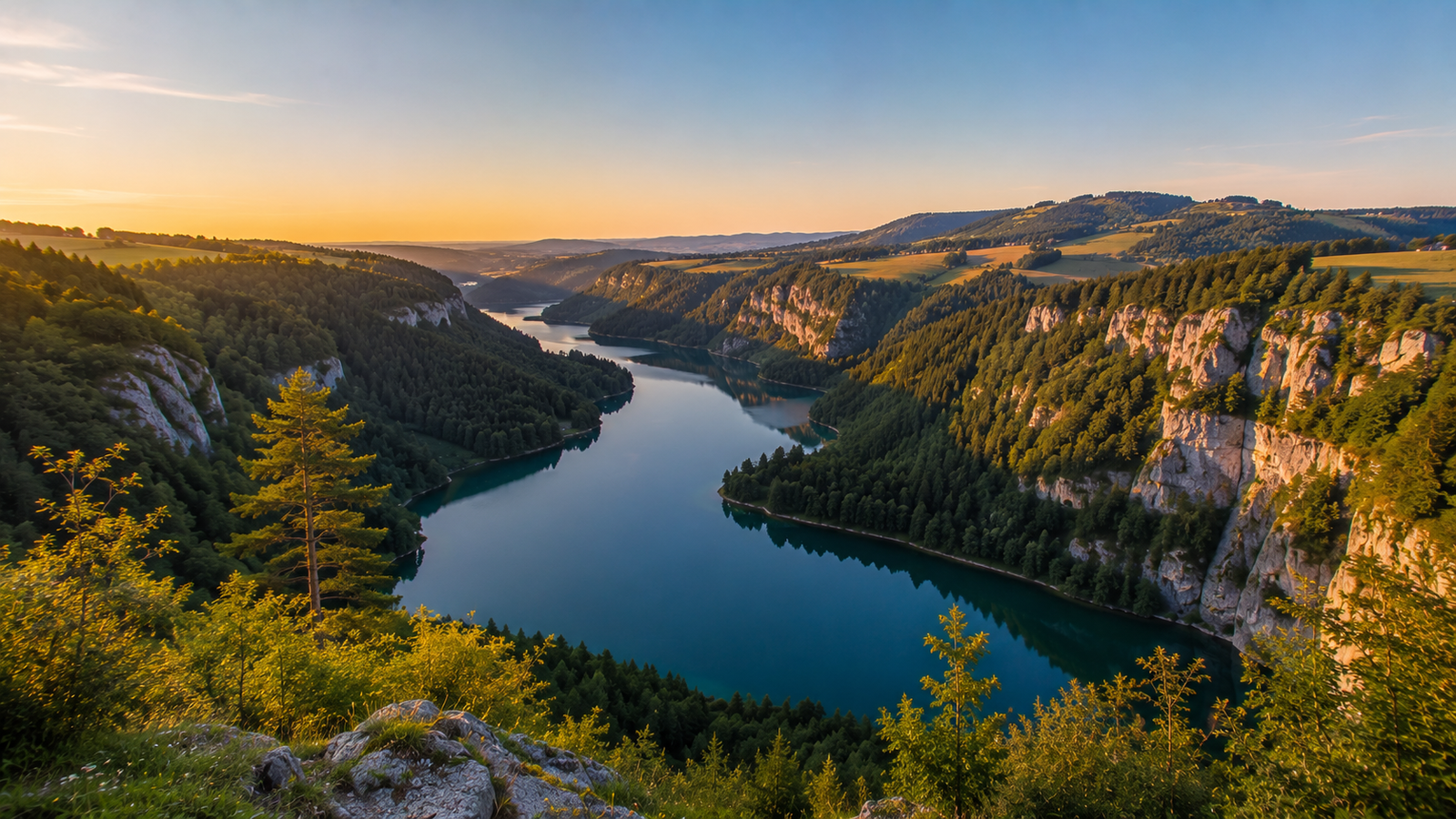
Lake Schiffenen is one of those places that surprises travelers who believe they already know Switzerland’s most famous lakes. While international visitors often head toward the celebrated waters of Lucerne, Geneva, or Brienz, this narrow reservoir near Fribourg offers a completely different experience. Its steep wooded shores, winding shape, and quiet atmosphere create a landscape that feels more like a Norwegian fjord than a typical Swiss lake.
Located near the municipality of Düdingen in the Canton of Fribourg, Lake Schiffenen was formed following the construction of the Schiffenen Dam on the Sarine River. Today, it serves not only as an important water reservoir but also as a popular recreational destination for residents and visitors seeking nature, outdoor activities, and peaceful scenery.
A Lake Defined by Its Dramatic Geography
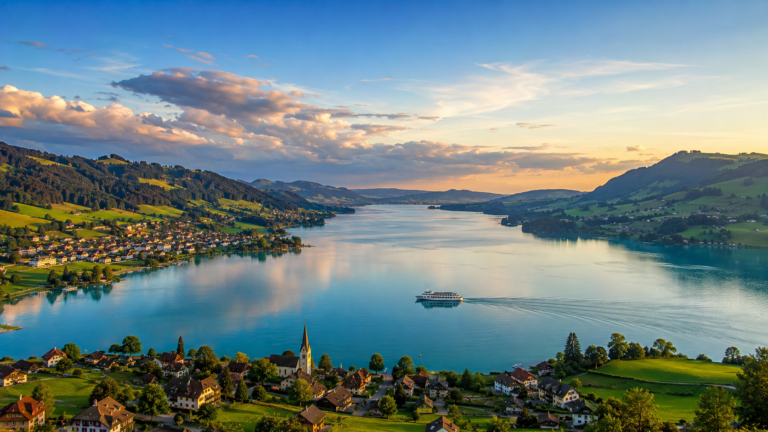
The first impression of Lake Schiffenen is its unusual shape. Unlike many broad alpine lakes, the reservoir stretches through a network of narrow inlets surrounded by forested hills and steep slopes. The water twists through the landscape, creating hidden coves, rocky shorelines, and constantly changing views.
This distinctive geography gives the lake a sense of discovery. Around nearly every bend, visitors encounter a new perspective—dense woodland reflected in calm water, dramatic cliffs rising from the shoreline, or distant church towers and villages overlooking the valley.
The reservoir occupies a scenic area between Fribourg and Düdingen, where French-speaking and German-speaking Switzerland meet. This cultural crossroads adds another layer of interest to the region, blending different traditions, languages, and landscapes within a relatively small area.
The Story Behind the Reservoir
Lake Schiffenen is not a natural lake but a reservoir created in the mid-20th century when the Schiffenen Dam was built along the Sarine River. The project transformed part of the river valley into the body of water visible today.
Although engineered for practical purposes, the reservoir has gradually become integrated into the surrounding environment. Forests, wetlands, and wildlife habitats now flourish along its shores, while recreational opportunities have made it a valued destination within the canton.
The lake demonstrates how human infrastructure and natural landscapes can coexist, creating a setting that supports both environmental and recreational interests.
Why Visitors Are Drawn to Lake Schiffenen
Many travelers visit Lake Schiffenen because it offers a quieter alternative to Switzerland’s better-known lakes. Even during the warmer months, it retains a relaxed atmosphere that appeals to hikers, families, anglers, cyclists, and nature enthusiasts.
The steep banks surrounding the reservoir create impressive viewpoints. From elevated sections of the shoreline, visitors can look across the winding waterway and observe how the lake snakes through the hills of Fribourg.
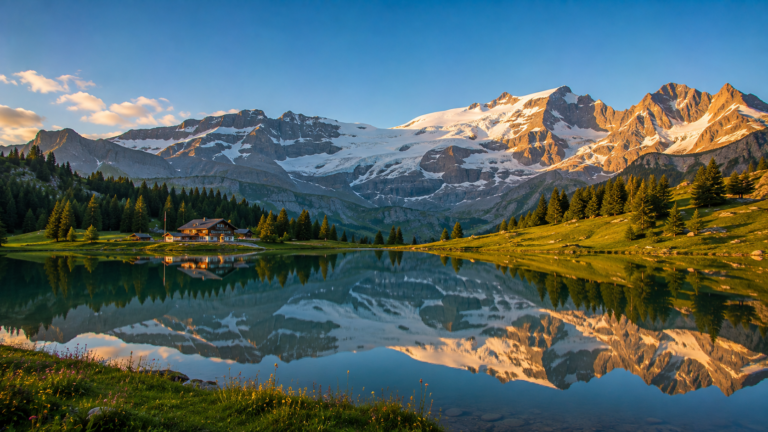
The changing light throughout the day adds to the scenery. Early morning often brings still water and reflections, while evening sunlight illuminates the surrounding forests and cliffs in warm colors.
Exploring the Water
The lake has become a popular destination for water-based recreation. Calm sections of the reservoir are suitable for boating, while designated areas near the shoreline attract swimmers during summer.
Boat rentals are available around the harbor area, allowing visitors to explore portions of the lake independently. Pedal boats and other recreational craft provide an easy way to appreciate the reservoir’s distinctive shape from the water itself.
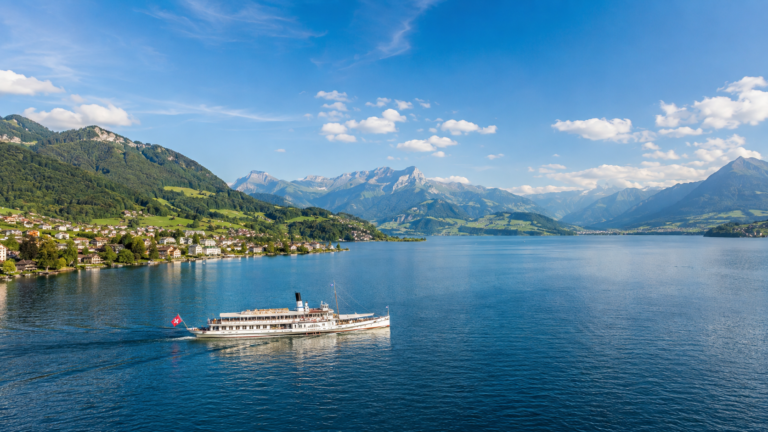
One of the most unique experiences is a boat journey between Schiffenen and the city of Fribourg. The route reveals sections of the lake that are difficult to access on foot and showcases the dramatic scenery along the shoreline. Travelers pass forests, cliffs, historic structures, and bridges while enjoying a peaceful cruise through the reservoir landscape.
A Destination for Hikers
Lake Schiffenen offers some of the most rewarding lakeside walking opportunities in the Fribourg region. Trails lead through forests, across meadows, and along elevated sections overlooking the water.
A full circuit around the lake is possible for experienced hikers seeking a longer adventure. This route passes through varied terrain while connecting natural scenery with cultural landmarks scattered around the reservoir.
Several viewpoints provide excellent opportunities for photography. Because the lake continually changes direction, hikers encounter fresh vistas throughout the journey rather than repeating the same landscape.
The surrounding terrain also allows visitors to experience the region’s biodiversity. Woodland habitats, open grasslands, and shoreline ecosystems support a variety of birds and other wildlife.
Castles, Bridges, and Regional Heritage
Lake Schiffenen is more than a nature destination. The area surrounding the reservoir contains elements of Fribourg’s rich cultural heritage.
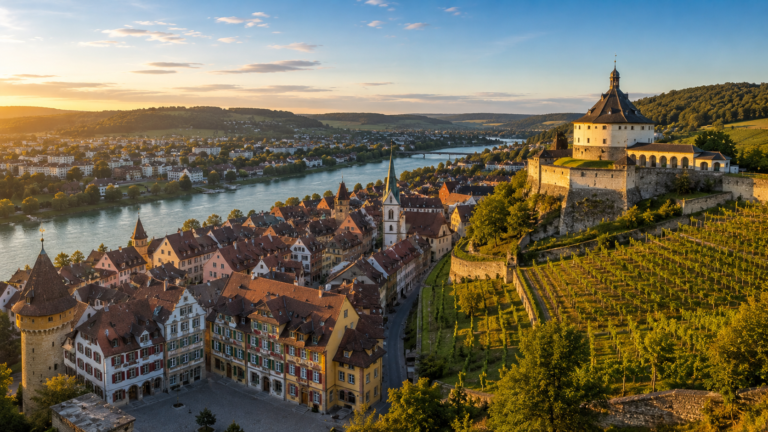
Historic castles, including the Château de Barberêche and the castles of Petit-Vivy and Grand-Vivy, contribute to the region’s historical character. These landmarks remind visitors that the valley has been inhabited and strategically important for centuries.
Another notable feature is the Grandfey Viaduct near Fribourg. This impressive railway bridge spans part of the surrounding landscape and stands as a remarkable example of Swiss engineering.
The combination of water, forests, castles, and transportation infrastructure creates a varied environment where history and nature intersect.
Fishing and Wildlife
Fishing remains one of the lake’s most popular activities. The reservoir supports numerous fish species, making it an attractive destination for anglers holding the required permits.
The lake’s varied underwater environment provides habitats for species such as perch, pike, and pikeperch. The combination of deep water and sheltered areas contributes to a healthy aquatic ecosystem.
Birdwatchers also appreciate the quieter sections of the shoreline. Wetlands and wooded areas surrounding the reservoir provide refuge for various bird species throughout the year.
Because much of the shoreline remains relatively undeveloped, wildlife observation often becomes an unexpected highlight of a visit.
Family-Friendly Recreation
Lake Schiffenen has developed a reputation as a family-oriented destination. Near the dam area, visitors will find recreational facilities designed for a relaxed day outdoors.
A small beach area offers opportunities for swimming and sunbathing during warmer weather. Depending on water levels, the size of the beach changes throughout the season.
Children can enjoy playgrounds located near recreational zones, while nearby facilities include mini-golf and open spaces suitable for picnics. The camping area close to the lake provides additional options for travelers wishing to extend their stay.
The combination of accessible recreation and natural surroundings makes the reservoir particularly attractive for multigenerational outings.
When to Visit
Lake Schiffenen can be enjoyed throughout the year, but each season offers a distinct atmosphere.
Spring brings fresh greenery and blooming vegetation along the shoreline. Summer is ideal for swimming, boating, and family recreation. Autumn transforms the forests into shades of gold, orange, and red, creating some of the region’s most photogenic landscapes.
Winter presents a quieter side of the lake. While water activities diminish, the surrounding trails and viewpoints reveal a peaceful landscape often enhanced by frost, mist, or occasional snowfall.
For photographers, the best conditions frequently occur during early morning and late afternoon when softer light enhances reflections and emphasizes the contours of the surrounding hills.
Travelers exploring the Fribourg region often discover that Lake Schiffenen offers something increasingly rare in modern tourism: space. Space to walk, paddle, observe wildlife, enjoy a picnic, or simply sit beside the water. Its fjord-like character, scenic trails, cultural landmarks, and recreational opportunities combine to create a destination that rewards slow exploration and reveals new details with every visit.