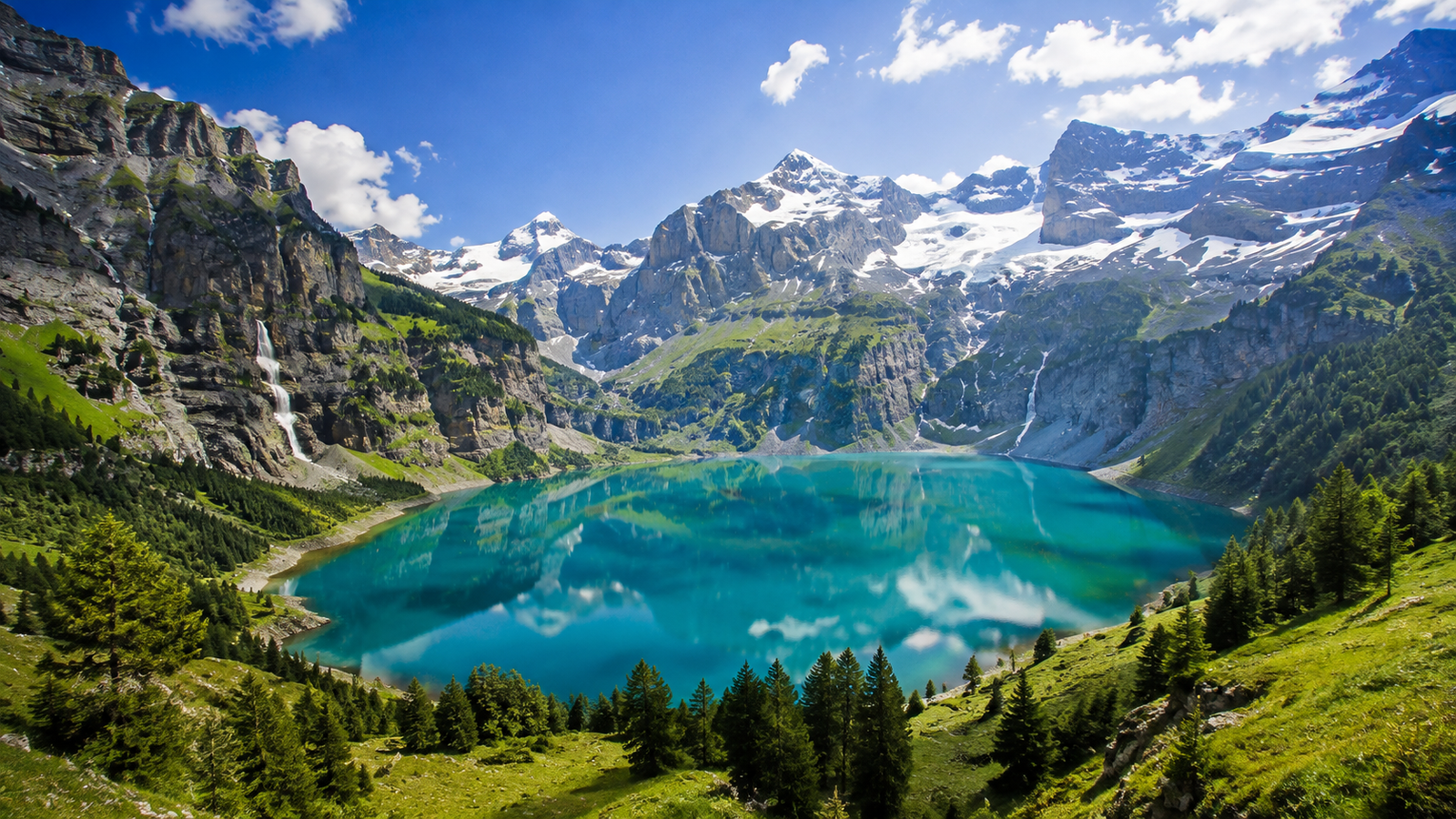
Lake Oeschinen (Oeschinensee), Kandersteg, Switzerland
Oeschinensee: Discover Switzerland’s Turquoise Alpine Lake Beneath the Blüemlisalp Peaks
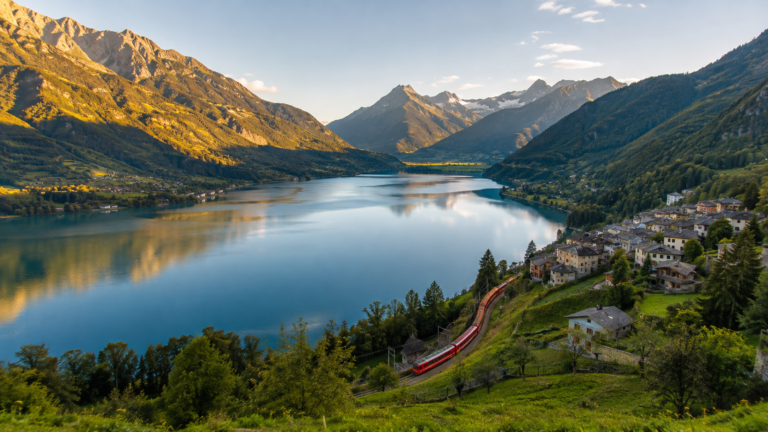
Long before visitors arrive at the shoreline, Oeschinensee announces itself through anticipation. The journey begins in the mountain village of Kandersteg, where towering Alpine walls dominate the landscape and narrow valleys lead toward some of Switzerland’s most spectacular wilderness. Then, after a short ascent into the mountains, the lake suddenly appears—a vivid turquoise basin framed by cliffs, waterfalls, forests, and glaciers.
Few destinations capture the essence of the Swiss Alps as completely as Oeschinensee. Located above Kandersteg in the Bernese Oberland, this mountain lake is part of the Swiss Alps Jungfrau-Aletsch UNESCO World Heritage region, an area internationally recognized for its outstanding natural value. Surrounded by the dramatic Blüemlisalp massif and protected alpine ecosystems, Oeschinensee represents one of the country’s most remarkable natural landscapes.
Born From Ancient Mountain Forces
The story of Oeschinensee began thousands of years ago.
Unlike many lakes formed primarily by glaciers, Oeschinensee owes its existence to enormous prehistoric landslides that descended from nearby mountain slopes. Geological events on the flanks of peaks such as the Doldenhorn and Fründenhorn created a massive natural barrier that blocked water flow and formed the lake basin seen today.
What makes the lake particularly fascinating is its underground drainage system. Water gradually filters through the ancient landslide deposits rather than flowing entirely through a visible outlet. This natural process contributes to seasonal fluctuations in water levels and gives Oeschinensee characteristics rarely found in other Alpine lakes.
Even today, the surrounding mountains continue to evolve through erosion, rock movement, and changing climatic conditions, making the landscape a living example of Alpine geology.
The Color That Stops Visitors in Their Tracks
Photographs often struggle to capture what visitors experience upon seeing Oeschinensee for the first time.
The lake’s striking turquoise appearance results from mineral-rich water and light reflection within the mountain basin. Depending on weather conditions, the color can shift from deep emerald green to brilliant blue, creating an ever-changing visual spectacle.
Steep rock faces rise dramatically above the shoreline while waterfalls descend from high elevations during warmer months. Dense forests surround portions of the lake, softening the rugged mountain scenery and creating a striking contrast between water, stone, and vegetation.
On calm days, reflections of the surrounding peaks appear almost perfectly mirrored on the lake’s surface, transforming the landscape into one of Switzerland’s most photographed natural scenes.
Why Hikers Are Drawn Here
For many travelers, Oeschinensee is not simply a destination—it is the starting point for exploration.
The area offers access to a network of mountain trails that range from relatively gentle lakeside walks to demanding Alpine routes leading toward high mountain huts and panoramic viewpoints.
One of the most rewarding experiences is following trails that gradually climb above the lake. As elevation increases, visitors gain a broader perspective of the basin and surrounding mountain walls. The higher viewpoints reveal the true scale of the landscape and showcase how the lake fits within the larger Alpine environment.
The region is also a gateway to several Swiss Alpine Club huts situated deep within the surrounding mountains, attracting experienced hikers and mountaineers seeking longer adventures.
Throughout the hiking season, the area offers opportunities to observe Alpine flora, geological formations, waterfalls, and diverse mountain habitats that thrive within the protected UNESCO landscape.
Experiencing the Lake Beyond the Shore
While hiking remains the most popular activity, Oeschinensee offers several ways to connect with the landscape.
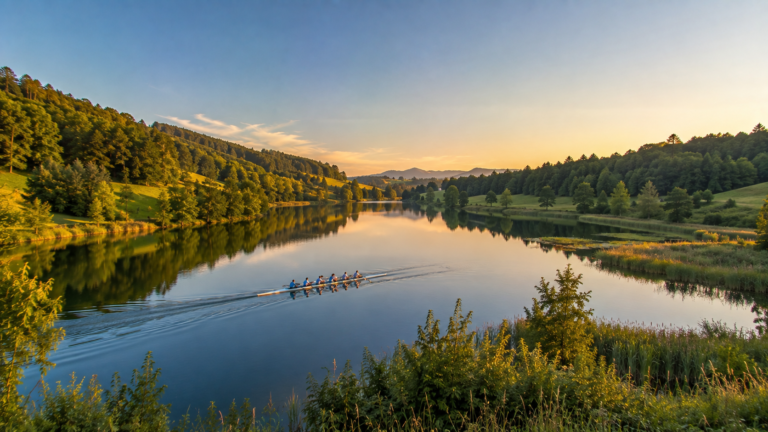
During the warmer months, visitors can enjoy rowing on the lake, providing a unique perspective of the towering cliffs and waterfalls that surround the water. Being on the lake itself reveals details often missed from the shoreline, including hidden rock formations and changing water colors.
The lakeside environment also attracts travelers looking for quieter experiences. Many visitors spend hours simply enjoying the scenery, relaxing near the water, or exploring different viewpoints around the basin.
Fishing is permitted under the regulations of the Canton of Bern and requires the appropriate fishing authorization. The lake’s cold, clear waters have long been associated with traditional mountain-lake fishing in the region.
A Landscape Protected for Future Generations
Part of what makes Oeschinensee exceptional is the effort devoted to preserving it.
The lake lies within a network of environmentally sensitive areas that include protected habitats, wildlife zones, and conservation landscapes. Rangers actively educate visitors about responsible outdoor behavior while helping safeguard the region’s ecological integrity.
Strict environmental regulations help reduce pressure on fragile Alpine ecosystems. Certain activities commonly permitted elsewhere are restricted here in order to protect wildlife, vegetation, and the overall visitor experience.
This commitment to conservation plays an important role in maintaining the natural character that has made Oeschinensee internationally recognized.
Winter Reveals a Different Side of Oeschinensee
Although many travelers associate Oeschinensee with summer hiking, winter transforms the landscape into an entirely different destination.
Snow blankets the surrounding forests and mountains, while the frozen lake creates a striking contrast against the white Alpine environment. Under suitable conditions, visitors can experience the famous Ice Walk, a marked route across the frozen lake that offers a rare opportunity to traverse the water itself.
The winter landscape emphasizes silence and scale. With fewer colors competing for attention, the dramatic mountain architecture becomes even more prominent, highlighting the geological forces that shaped the region over thousands of years.
Winter hiking, snow activities, and scenic viewpoints ensure that Oeschinensee remains attractive long after summer visitors have departed.
Reaching Oeschinensee
Despite its remote appearance, Oeschinensee is surprisingly accessible.
Travelers can reach Kandersteg by rail from major Swiss transportation routes. From there, the Oeschinensee gondola provides access to the mountain area above the village. Walking paths then connect visitors to the lakeshore and surrounding trail network.
This combination of public transportation and mountain infrastructure allows visitors to experience a high-Alpine environment without requiring advanced mountaineering skills or extensive travel logistics.
For many first-time visitors to Switzerland, Oeschinensee serves as an introduction to the country’s mountain landscapes at their most dramatic. It combines geological history, UNESCO-protected nature, outdoor recreation, and unforgettable scenery within a single destination. Whether viewed from a mountain trail, a rowing boat, a winter ice route, or a quiet lakeside viewpoint, Oeschinensee offers one of the most authentic encounters with the Swiss Alps available anywhere in the country.