Lake Geneva (Lac Léman), Vaud & Geneva Cantons, Switzerland
Lake Geneva: The Vast Alpine Lake That Defines Western Switzerland
Water shapes many of Switzerland’s most celebrated landscapes, but few places capture the country’s elegance and diversity as completely as Lake Geneva. Known locally as Lac Léman, this immense crescent-shaped lake stretches across western Switzerland and into neighboring France, connecting vibrant cities, historic towns, vineyard-covered hillsides, and dramatic Alpine scenery.
For centuries, travelers, artists, writers, and statesmen have been drawn to its shores. Some arrive for the cosmopolitan atmosphere of Geneva, while others seek the relaxed charm of lakeside promenades, medieval castles, or panoramic mountain views. What unites these experiences is the lake itself—a constant presence that influences culture, commerce, tourism, and daily life throughout the region.
Unlike many destinations defined by a single attraction, Lake Geneva is a landscape of interconnected experiences. Every shoreline, harbor, and hillside reveals a different perspective on one of Europe’s most remarkable natural settings.
The Heart of Western Switzerland
Lake Geneva occupies a strategic position between the Alps and the Jura Mountains. The Rhône River enters the lake at its eastern end and exits at Geneva before continuing toward France and the Mediterranean Sea.
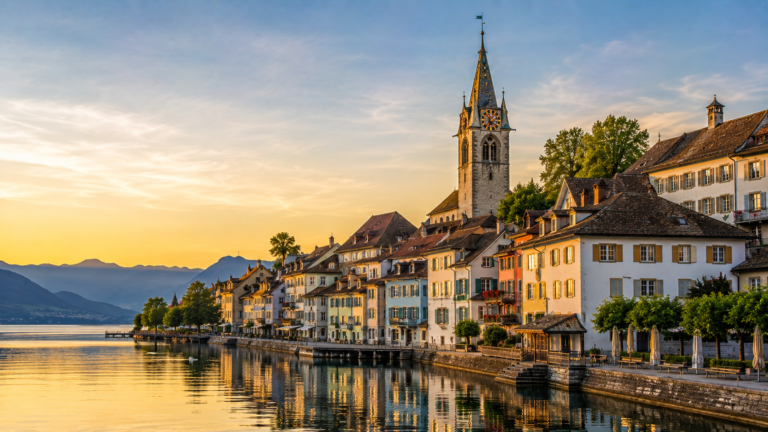
The Swiss shoreline encompasses several important cities, including Geneva, Lausanne, Vevey, and Montreux. Each destination contributes its own character to the broader identity of the lake. Geneva is known internationally for diplomacy and global organizations, while Lausanne serves as a center of education, culture, and sport. Further east, the lakeside communities of Vevey and Montreux are celebrated for their scenic beauty and cultural heritage.
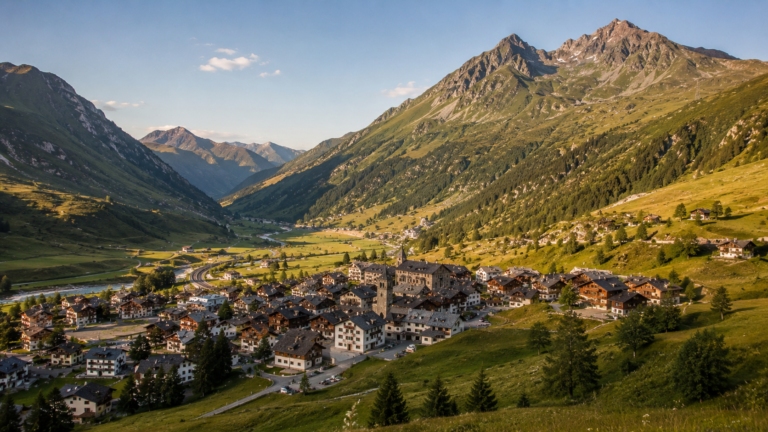
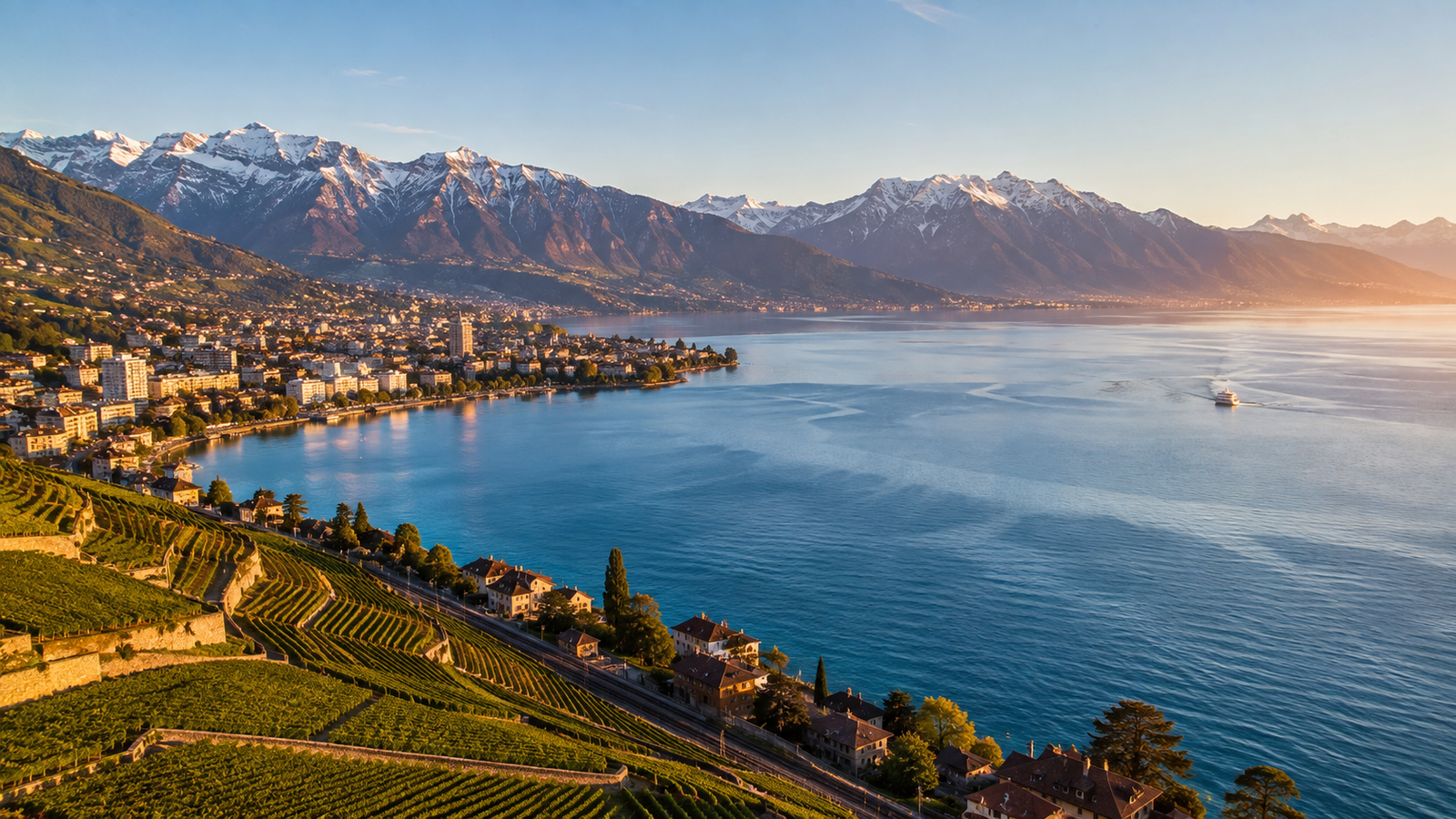
The geography of the region creates a striking visual contrast. Vineyards descend toward the water, while Alpine peaks rise dramatically in the distance. This combination of lake, mountains, and cultivated landscapes has helped establish Lake Geneva as one of Switzerland’s most iconic destinations.
A Landscape With Deep Historical Roots
Human settlement around Lake Geneva dates back thousands of years. Archaeological discoveries indicate that communities have long been drawn to the lake’s resources and strategic location.
Throughout history, the region became an important crossroads linking northern and southern Europe. Trade routes, political developments, and cultural exchanges all contributed to the growth of settlements along the shoreline.
The lake also played a significant role during the Roman period, when the surrounding area formed part of an extensive network connecting territories across the region. Over time, medieval towns emerged along the waterfront, many of which still preserve historic architecture and centuries-old street layouts.
In later centuries, Lake Geneva became associated with literature, philosophy, science, and the arts. Influential writers and intellectuals spent time on its shores, inspired by the region’s scenery and atmosphere. Their works helped introduce the beauty of the lake to audiences far beyond Switzerland.
A Journey Through Distinct Lakeside Regions
One of the defining characteristics of Lake Geneva is the diversity found along its shoreline.
Geneva presents a cosmopolitan introduction to the lake. The city combines historic districts, modern architecture, museums, and waterfront promenades with one of the world’s most recognizable water features, the Jet d’Eau.
Traveling eastward reveals Lausanne, where steep hills descend toward the waterfront. The city’s blend of historic landmarks, cultural institutions, and lake views makes it one of Switzerland’s most dynamic urban destinations.
Further along the shore, the atmosphere becomes increasingly scenic. Vevey and Montreux form part of what is often called the Swiss Riviera, a region known for its mild climate, gardens, lakeside walks, and mountain backdrop.
Each section of the lake offers a distinct experience while remaining connected through the shared presence of Lac Léman.
The Lavaux Vineyards and Cultural Landscape
Among the most remarkable areas surrounding Lake Geneva are the Lavaux vineyard terraces. These steep vineyard-covered slopes extend above the northern shoreline between Lausanne and Montreux.
Generations of winegrowers have cultivated the landscape, creating a pattern of terraces that follows the contours of the hillsides. Stone walls, walking paths, villages, and vineyards combine to form one of Switzerland’s most distinctive cultural landscapes.
The vineyards offer not only agricultural significance but also extraordinary views across the lake toward the French Alps. Visitors frequently explore the area on foot, enjoying a blend of scenery, history, and local tradition.
Lavaux demonstrates how human activity and natural geography can shape a landscape that is both productive and visually striking.
Castles, Harbors, and Historic Towns
The lake’s shoreline is rich in architectural and historical attractions.
Perhaps the most famous is Chillon Castle, a medieval fortress situated on the eastern shore near Montreux. Surrounded by water on one side and mountains on the other, the castle has become one of Switzerland’s most photographed landmarks.
Historic waterfront districts, old harbors, churches, and town squares can also be found throughout the region. Many communities maintain a close relationship with the lake, preserving traditions connected to navigation, commerce, and local identity.
Walking through these towns reveals a blend of French-speaking Swiss culture, historical architecture, and lakeside living that distinguishes the region from other parts of the country.
Experiencing the Lake
Lake Geneva is not simply viewed from the shore—it is experienced directly.
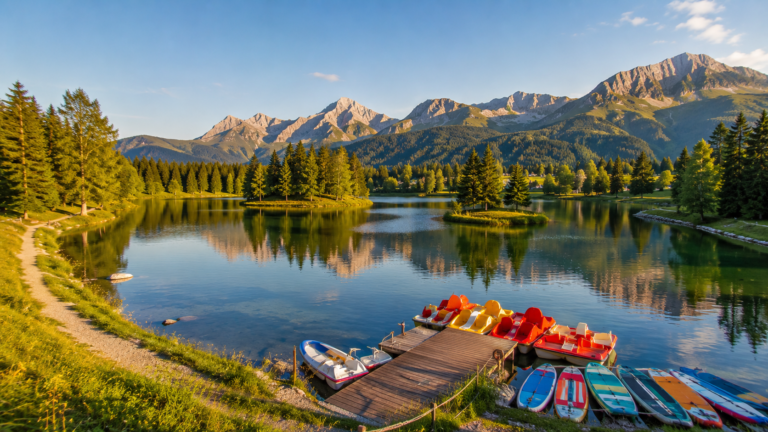
Passenger boats have long connected communities around the lake, and cruises remain one of the most popular ways to explore the region. Traveling by water allows visitors to appreciate the scale of the lake while enjoying changing views of mountains, vineyards, castles, and cities.
Waterfront promenades offer leisurely opportunities for walking, cycling, and sightseeing. Parks and gardens along the shore provide places to relax while observing daily life around the lake.
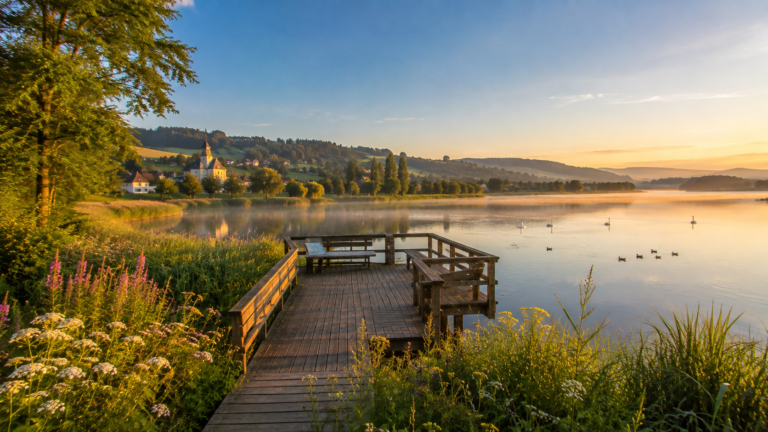
Photography enthusiasts often find endless inspiration in the changing colors of the water, reflections of the mountains, and shifting weather conditions that transform the landscape throughout the day.
Seasonal Appeal
Lake Geneva remains attractive throughout the year because each season presents a different side of the destination.
Spring brings blossoming landscapes and fresh greenery along the shoreline. The surrounding vineyards and gardens begin to awaken, creating vibrant scenery.
Summer attracts visitors seeking lakeside recreation, outdoor dining, and boat excursions. Long daylight hours make it easy to explore multiple destinations around the lake.
Autumn is especially beautiful in vineyard regions, where changing colors add warmth and texture to the landscape. The season is also associated with wine-related traditions in many lakeside communities.
Winter introduces a quieter atmosphere. Snow-covered Alpine peaks often provide a dramatic backdrop to the lake, while cities and towns continue to offer cultural attractions and waterfront experiences.
Reaching Lake Geneva
Accessibility is one of the lake’s greatest advantages.
The region is served by extensive rail connections that link major Swiss cities with destinations around the shoreline. Geneva Airport provides international access for travelers arriving from around the world.
Well-developed public transportation networks make it possible to move easily between lakeside towns without the need for a car. Trains, boats, buses, and local transit systems create a seamless travel experience throughout the region.
This convenience allows visitors to experience multiple destinations around the lake during a single trip.
Why Lake Geneva Continues to Captivate Travelers
Some destinations impress with dramatic natural landmarks, while others are defined by culture, history, or architecture. Lake Geneva succeeds because it combines all of these elements within a single landscape. Alpine scenery meets historic towns, vineyards meet waterfront promenades, and international cities coexist with peaceful lakeside villages.
The lake serves as both a natural wonder and a cultural corridor, connecting communities that have evolved alongside its waters for centuries. Whether explored by boat, train, bicycle, or on foot, Lake Geneva reveals a side of Switzerland where nature and civilization exist in remarkable harmony.