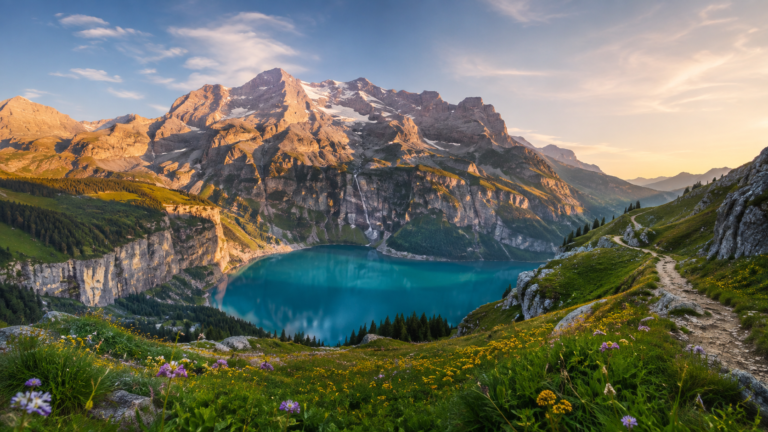
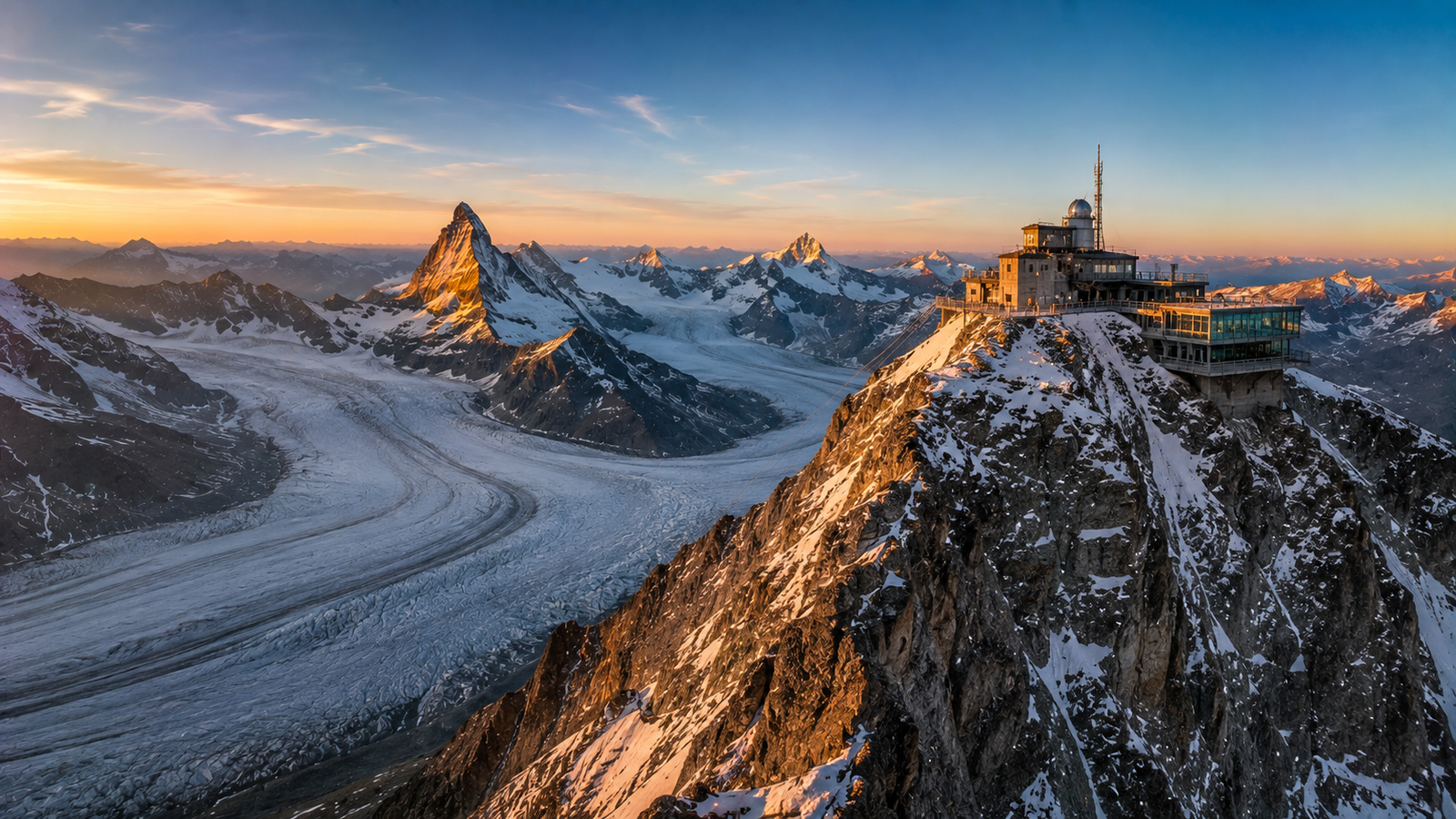
Klein Matterhorn (Matterhorn Glacier Paradise), Zermatt, Switzerland
Klein Matterhorn: Switzerland’s Gateway to the High Alps Above Zermatt
High above the famous resort town of Zermatt, Klein Matterhorn stands as one of Switzerland’s most remarkable mountain destinations. Rising to an elevation of 3,883 meters above sea level, the summit is known internationally as Matterhorn Glacier Paradise, a place where visitors can experience an extraordinary Alpine environment without the need for technical mountaineering skills.
Surrounded by glaciers, snow-covered peaks, and vast panoramic views extending across Switzerland, Italy, and France, Klein Matterhorn offers a unique combination of natural beauty, engineering achievement, and year-round accessibility. While the nearby Matterhorn often captures most of the attention, Klein Matterhorn provides one of the finest viewpoints in the Alps and serves as a gateway to some of the region’s most spectacular glacier landscapes.
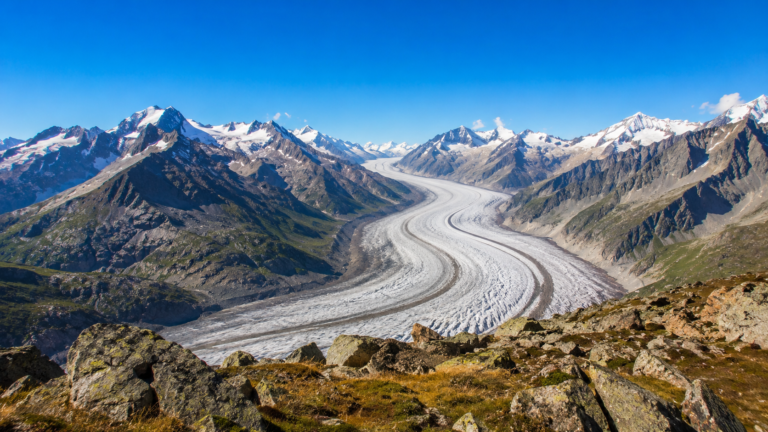
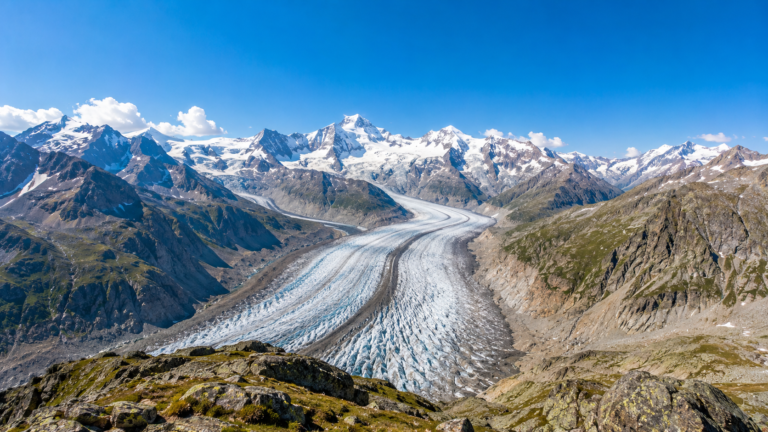
The mountain lies south of Zermatt in the canton of Valais, close to the Italian border. It forms part of the Pennine Alps, a range that contains many of the highest mountains in Europe. The summit area overlooks extensive glacier systems, including the Theodul Glacier, while iconic peaks such as Breithorn, Monte Rosa, Liskamm, and Castor dominate the surrounding skyline.
Although Klein Matterhorn itself is not among Switzerland’s highest summits, its importance comes from its accessibility and strategic location. The mountain station situated here is recognized as the highest mountain station in Europe, making it one of the continent’s premier high-altitude visitor destinations.
The story of Klein Matterhorn is closely linked to the development of tourism in Zermatt. During the twentieth century, a series of cableway projects gradually expanded access deeper into the high mountains. The final section connecting Trockener Steg to Klein Matterhorn opened in 1979, creating a direct route to one of the most dramatic glacier environments in the Alps.
Over the decades, the infrastructure has continued to evolve. Modern gondolas, advanced cableway technology, and innovative transportation systems have transformed what was once an inaccessible mountain landscape into a destination that welcomes visitors throughout the year. More recently, the completion of the Matterhorn Alpine Crossing created a continuous aerial connection between Switzerland and Italy, further strengthening Klein Matterhorn’s role as a major Alpine hub.
One of the greatest attractions of Klein Matterhorn is the extraordinary panorama visible from its viewing areas. On clear days, visitors can see dozens of peaks exceeding 4,000 meters in elevation. The views stretch across three countries and encompass some of the largest glacier systems in the Alps.
Unlike many mountain viewpoints where a single landmark dominates the scenery, Klein Matterhorn delivers a complete high-mountain experience. Massive ice fields, jagged ridgelines, distant summits, and constantly changing light conditions create an environment that feels both immense and intimate. The famous Matterhorn can also be seen from a distinctive angle rarely experienced elsewhere in the region.
Among the summit’s most popular attractions is the Glacier Palace. Located beneath the glacier surface, this unique attraction allows visitors to walk through tunnels carved directly into ancient ice. Ice sculptures, frozen formations, and illuminated chambers create an atmosphere unlike any conventional museum or exhibition.
The Glacier Palace offers an opportunity to experience the interior of a glacier while learning about the frozen environment that shapes the surrounding landscape. It remains one of the most distinctive attractions available anywhere in the Swiss Alps.
Another highlight is the viewing platform, which sits above the main station complex. Accessible by elevator, the platform provides unobstructed 360-degree views across the surrounding mountains. For many visitors, standing at nearly 3,900 meters while looking across glaciers and towering peaks becomes the defining moment of their trip to Zermatt.
The visitor experience at Klein Matterhorn extends beyond sightseeing. The destination serves as a starting point for a variety of mountain activities. Experienced climbers often use the area as an access point for ascents of nearby peaks such as Breithorn, while glacier routes lead into some of the most dramatic high-altitude terrain in Switzerland.
Winter sports also play an important role. The glacier environment allows skiing and snowboarding during much of the year, making the region one of Europe’s best-known high-altitude snow sports destinations. Even during summer, visitors can often see skiers training on glacier slopes while hikers explore lower Alpine trails.
The Matterhorn Alpine Crossing has added an entirely new dimension to the visitor experience. Travelers can now journey across the international border by cable car, connecting Zermatt with the Italian side of the Alps near Breuil-Cervinia. The crossing represents one of the most ambitious transportation projects in the region and offers a memorable way to experience two countries within a single mountain excursion.
Reaching Klein Matterhorn is relatively straightforward despite its extreme elevation. Visitors begin their journey in Zermatt, a car-free mountain resort renowned for its Alpine atmosphere and outdoor culture. From the valley station, a series of cable cars and gondolas carry passengers upward through changing landscapes.
The route passes forests, rocky slopes, and glacier terrain before arriving at Matterhorn Glacier Paradise. The complete ascent typically takes less than an hour, allowing visitors to move from village streets to a high-Alpine environment in a remarkably short period.
Because of the altitude, conditions at the summit can differ dramatically from those in Zermatt. Even during summer, temperatures may remain close to freezing, and snow is common throughout much of the year. Visitors should dress appropriately and allow time to adjust to the thinner air.
The best time to visit depends largely on personal interests. Summer offers excellent visibility, long daylight hours, and opportunities to combine mountain sightseeing with hiking and exploration in the valleys below. Winter transforms the region into a snow-covered world of skiing, mountaineering, and dramatic glacier scenery.
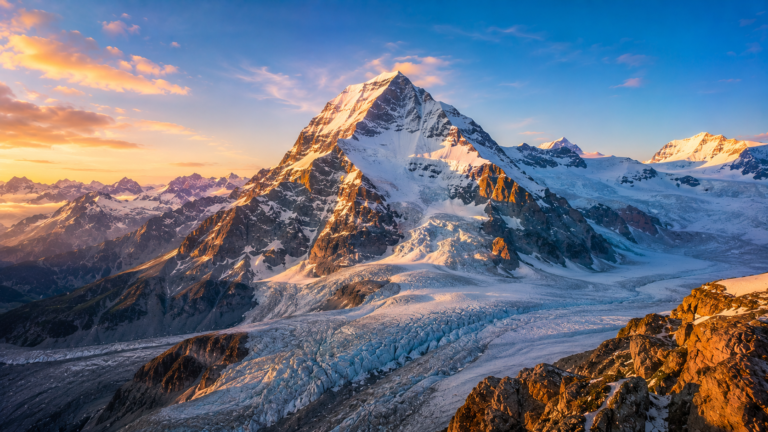
Photography enthusiasts often favor early morning or late afternoon visits when sunlight creates strong contrasts across the ice and rock formations. During clear weather, the changing colors of the surrounding peaks produce some of the most memorable Alpine landscapes in Switzerland.
Klein Matterhorn also occupies an important place in the cultural identity of the region. The mountain reflects Switzerland’s long tradition of Alpine exploration, engineering innovation, and mountain tourism. The infrastructure required to operate at nearly 4,000 meters demonstrates the country’s expertise in high-altitude transportation and visitor management.
For travelers planning a visit, several practical considerations can improve the experience. Weather conditions can change rapidly at high elevations, so checking forecasts before departure is advisable. Sunglasses and sun protection are essential because ultraviolet radiation is significantly stronger at altitude. Visitors should also move at a comfortable pace upon arrival, particularly if they are unaccustomed to high mountain environments.
What makes Klein Matterhorn especially appealing is its ability to deliver an authentic high-Alpine experience to a wide range of visitors. Whether someone is interested in glaciers, engineering, photography, skiing, or simply enjoying one of Europe’s most impressive mountain panoramas, the destination offers an experience that few places can match.
From its glacier palace beneath the ice to its sweeping views of the Alps, Klein Matterhorn represents one of Switzerland’s most extraordinary mountain destinations. It is a place where the scale of the Alpine world becomes tangible, revealing the power, beauty, and grandeur that have drawn travelers to the Swiss mountains for generations.