Weisshorn, Zinal, Switzerland
Weisshorn: Discovering One of Switzerland’s Most Elegant Alpine Peaks
Rising above the valleys of southern Switzerland with remarkable symmetry, Weisshorn is often regarded as one of the most beautiful mountains in the Alps. Its sharply defined ridges, snow-covered summit, and nearly perfect pyramid shape have captivated climbers, photographers, and travelers for generations. Although it is frequently overshadowed by the international fame of the Matterhorn, many Alpine enthusiasts consider Weisshorn an even more elegant mountain from a visual perspective.
Standing at 4,506 meters in the Pennine Alps, Weisshorn ranks among the highest peaks in Switzerland. Its isolated position allows it to dominate the surrounding landscape, creating one of the most recognizable mountain silhouettes in Europe. For visitors seeking dramatic scenery and a deeper connection to the Swiss Alps, Weisshorn represents a destination where natural grandeur remains the main attraction.
A Mountain Defined by Symmetry
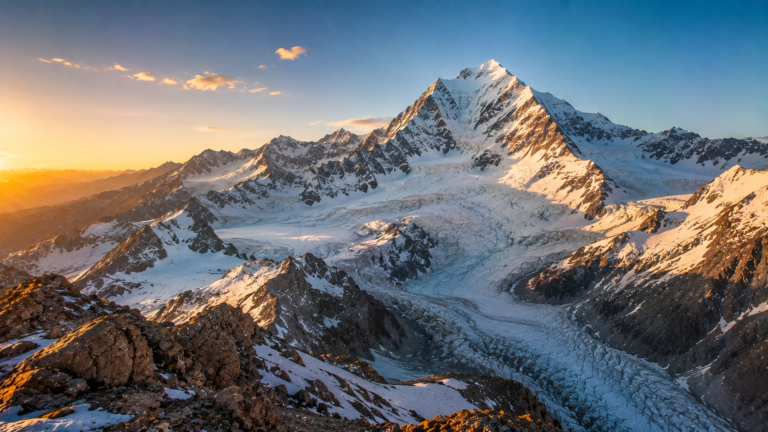
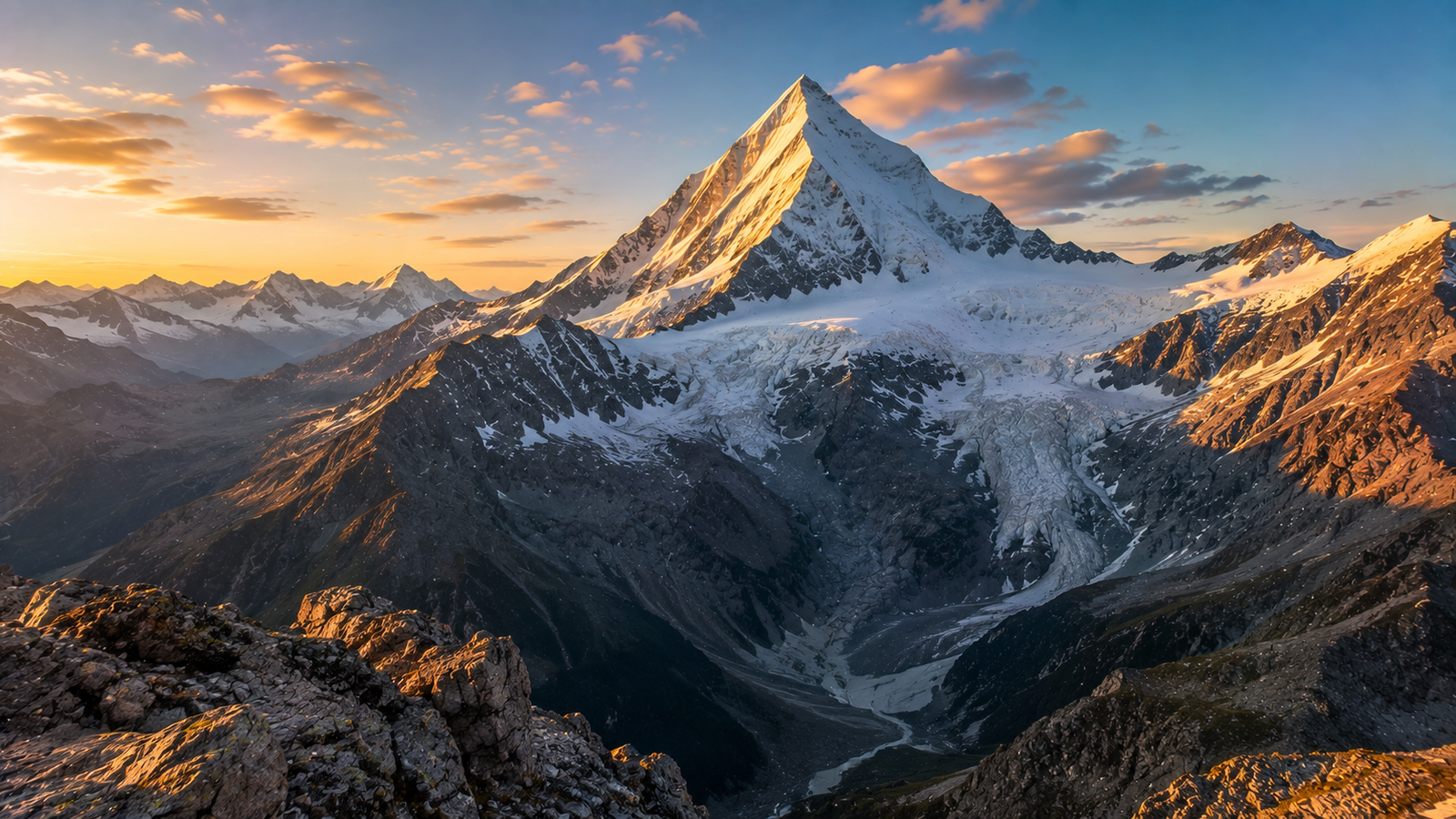
Few Alpine peaks possess the distinctive shape of Weisshorn. Viewed from many angles, the mountain appears as a near-perfect pyramid, with steep ridges converging toward a sharply pointed summit.
This geometric appearance is the result of thousands of years of geological forces, glacial erosion, and weathering. The mountain rises dramatically above neighboring valleys, creating a visual landmark that can be seen from considerable distances across the Valais region.
Its name, which translates to “White Peak,” reflects the snow and ice that often cover its upper slopes. During clear weather, sunlight illuminates the summit and ridgelines, producing striking contrasts between bright snowfields and darker rock formations below.
The combination of height, isolation, and symmetry has made Weisshorn one of the most photographed mountains in Switzerland.
Location in the Heart of the Pennine Alps
Weisshorn stands within the Pennine Alps in the canton of Valais, one of Switzerland’s most mountainous regions. The peak rises between the valleys of Anniviers and Mattertal, an area renowned for traditional Alpine villages, glacier landscapes, and world-class mountain scenery.
Unlike mountains situated near major tourist centers, Weisshorn occupies a relatively remote setting. This isolation contributes significantly to its character. Visitors often experience expansive views without the crowds associated with some of Switzerland’s more famous attractions.
The mountain forms part of a broader network of high Alpine summits that includes several of the country’s most prominent peaks. Its commanding position offers sweeping perspectives across glaciers, ridges, and valleys that define the southern Swiss Alps.
A Landmark in Mountaineering History
Weisshorn has long held a special place in the history of Alpine climbing.
During the nineteenth century, as mountaineering developed into a popular pursuit among explorers and adventurers, many of the Alps’ major peaks became targets for ambitious expeditions. Weisshorn quickly gained a reputation as one of the most challenging and rewarding objectives.
The mountain’s steep ridges, exposed terrain, and significant elevation demanded technical skill and careful preparation. Successful ascents became notable achievements during the early era of Alpine exploration.
Today, Weisshorn remains respected within the mountaineering community. While experienced climbers continue to attempt its summit, the mountain is equally admired by visitors who appreciate its beauty from surrounding viewpoints and trails.
A Landscape Shaped by Ice
The environment surrounding Weisshorn bears the unmistakable influence of glaciers.
Throughout the region, ancient and modern glacier systems have carved valleys, sculpted ridges, and created dramatic mountain scenery. From elevated observation points, visitors can see extensive ice fields stretching between towering peaks.
These glaciers have played a crucial role in shaping the geography of the Pennine Alps. Their presence contributes to the mountain’s striking appearance and reinforces the sense of wilderness that characterizes the area.
Even for travelers with no interest in climbing, the glacier landscapes surrounding Weisshorn provide unforgettable opportunities for sightseeing and photography.
The View from the Valleys Below
One of the most appealing aspects of Weisshorn is that it can be appreciated from numerous locations without requiring a difficult ascent.
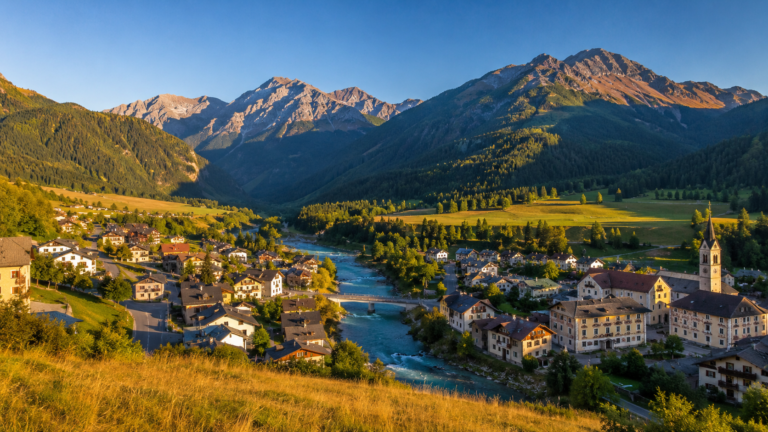
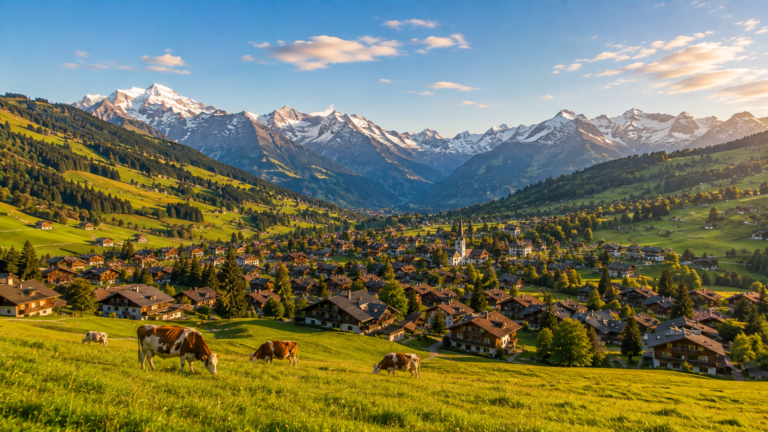
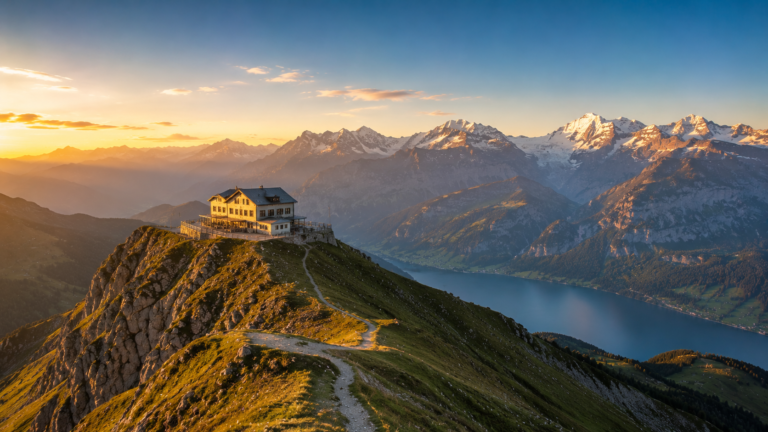
The village of Zinal is among the most celebrated places to admire the mountain. Surrounded by high peaks and traditional Alpine scenery, the village offers impressive views of Weisshorn and the surrounding mountain chain.
Hiking routes throughout the Anniviers Valley reveal changing perspectives of the summit. Depending on weather conditions and the angle of light, the mountain can appear dramatically different throughout the day.
Sunrise and sunset are particularly rewarding times for photography. The mountain’s snow-covered ridges often glow with warm colors while deep shadows accentuate its pyramid-like form.
Hiking and Outdoor Experiences
The region surrounding Weisshorn offers exceptional opportunities for outdoor recreation.
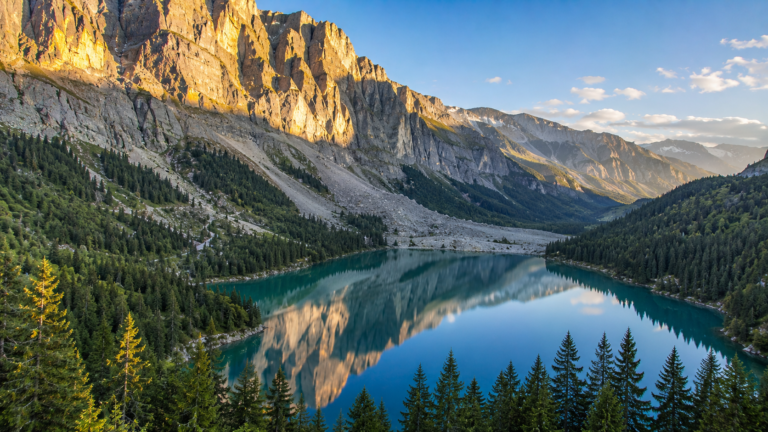
Visitors can explore mountain trails that pass through forests, alpine meadows, and elevated viewpoints. These routes provide access to some of the most impressive scenery in the Valais Alps while remaining accessible to hikers with varying levels of experience.
As elevation increases, expansive panoramas reveal the scale of the surrounding landscape. Peaks, glaciers, and valleys combine to create a setting that feels both dramatic and peaceful.
Nature enthusiasts often find that the quieter atmosphere around Weisshorn enhances the experience. The area offers a sense of immersion in the Alpine environment that can be difficult to find in more heavily visited destinations.
Seasonal Character Throughout the Year
Weisshorn presents a different personality with each season.
Summer brings green mountain pastures, clear hiking trails, and favorable conditions for exploring the surrounding valleys. Snow remains on the upper slopes, creating a striking contrast with the landscapes below.
Autumn is known for exceptional visibility and vibrant colors in lower elevations. Cooler temperatures often produce crisp mountain views that showcase the peak’s distinctive shape.
Winter transforms the region into a world of snow and ice. The mountain becomes even more dramatic as surrounding valleys and ridges are covered in white, creating a classic Alpine scene.
Spring gradually awakens the valleys while the summit retains its winter appearance. This seasonal contrast offers unique opportunities for photography and sightseeing.
Wildlife and Alpine Ecosystems
The landscapes surrounding Weisshorn support diverse Alpine ecosystems adapted to high elevations.
Mountain meadows, rocky slopes, and glacier environments provide habitats for wildlife that has evolved to thrive in challenging conditions. Visitors exploring the region may encounter a variety of Alpine species while enjoying the tranquility of the mountains.
The preservation of these natural environments remains an important priority throughout the Valais Alps. Sustainable tourism practices help protect the ecological balance of the region while allowing visitors to experience its remarkable beauty.
Access and Travel Planning
Although Weisshorn itself is a remote mountain, reaching the surrounding region is relatively straightforward.
Travelers typically access the area through the canton of Valais, where transportation networks connect mountain villages with larger Swiss towns and cities. From there, local transportation and hiking routes provide access to scenic viewpoints and outdoor activities.
Weather conditions in high mountain environments can change rapidly. Visitors should prepare appropriately, even during the warmer months, and check local forecasts before heading into Alpine terrain.
Those interested in photography often find that clear mornings and late afternoons offer the most rewarding views of Weisshorn and its surrounding landscapes.
Why Weisshorn Continues to Inspire
Weisshorn possesses a rare combination of characteristics that distinguish it among Switzerland’s great mountains. Its elegant pyramid shape, impressive elevation, and remote setting create an image that remains deeply associated with the classic Alps.
Unlike destinations defined primarily by tourism infrastructure, Weisshorn’s appeal comes from the mountain itself. It stands as a reminder of the grandeur and beauty that have drawn travelers to Switzerland for centuries. Whether viewed from a valley trail, admired from a scenic overlook, or photographed against a glowing Alpine sky, Weisshorn leaves a lasting impression as one of the finest natural landmarks in the Swiss Alps.