Neuchâtel, Neuchâtel, Switzerland
Neuchâtel: Where Lakeside Elegance Meets a Thousand Years of Swiss History
Along the northern shore of Lake Neuchâtel, Switzerland’s largest lake located entirely within the country, stands a city that blends history, culture, and natural beauty with remarkable ease. Neuchâtel is often celebrated for its golden-hued architecture, medieval landmarks, vibrant waterfront, and French-speaking character. While many Swiss destinations are known for alpine scenery, Neuchâtel offers a different perspective on the country—one shaped by lakeside landscapes, centuries of urban history, and a strong cultural identity.
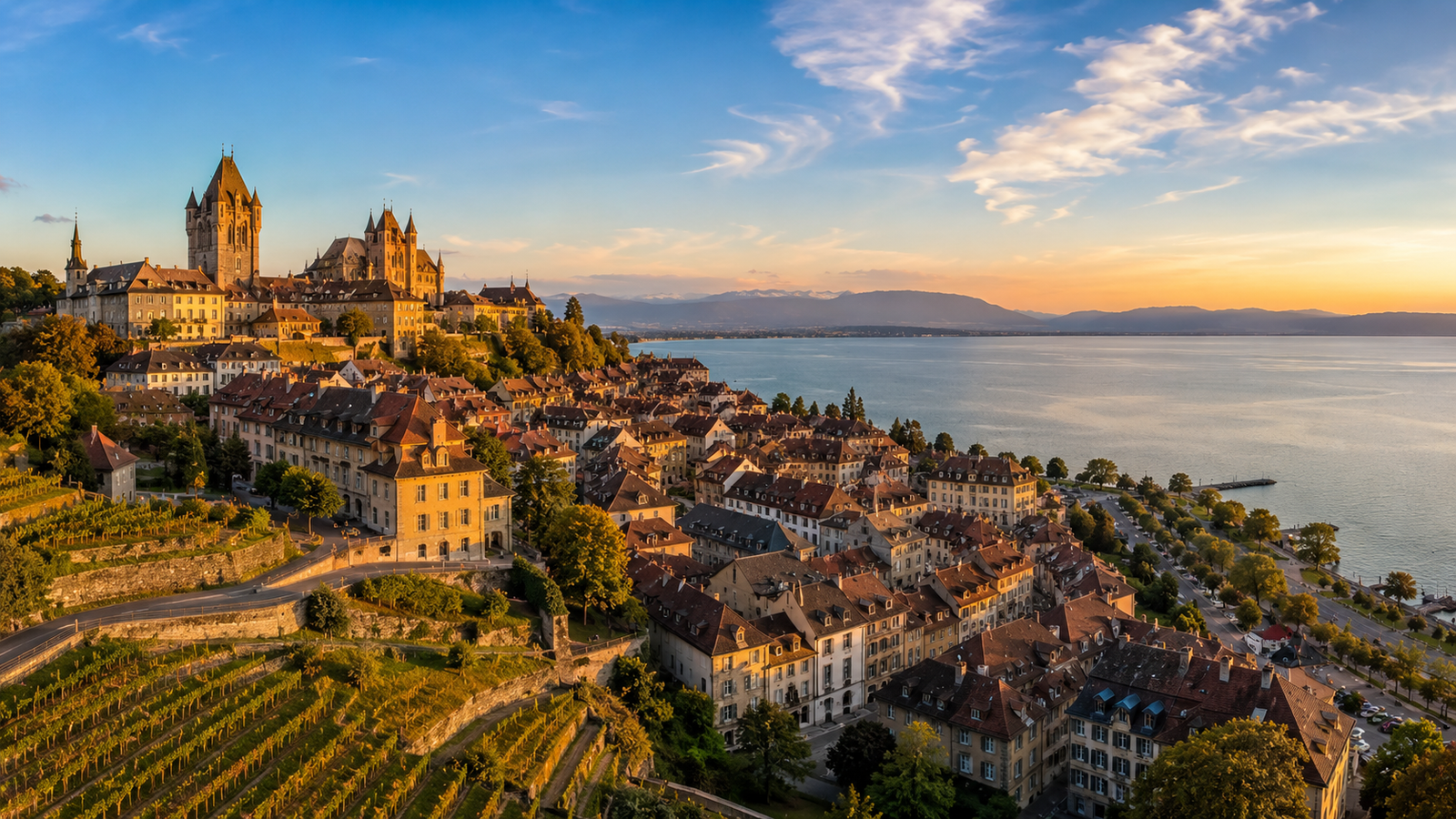
At first glance, visitors notice the city’s distinctive appearance. Buildings constructed from locally quarried yellow limestone create a warm architectural palette rarely seen elsewhere in Switzerland. The effect becomes especially striking in the late afternoon when sunlight reflects from the façades of the old town and historic monuments.
A City with Medieval Foundations
The origins of Neuchâtel stretch back more than a thousand years. The city’s development was closely tied to the strategic hilltop location where the castle and collegiate church stand today. Over the centuries, the settlement grew from a fortified center into an important regional capital, preserving much of its historic character along the way.
Neuchâtel’s castle district remains the symbolic heart of the city. Perched above the old town on a rocky spur, the landmark complex has dominated the skyline since the medieval period. The castle served as a residence for the rulers of Neuchâtel and continues to play an important role today as the seat of the cantonal government.
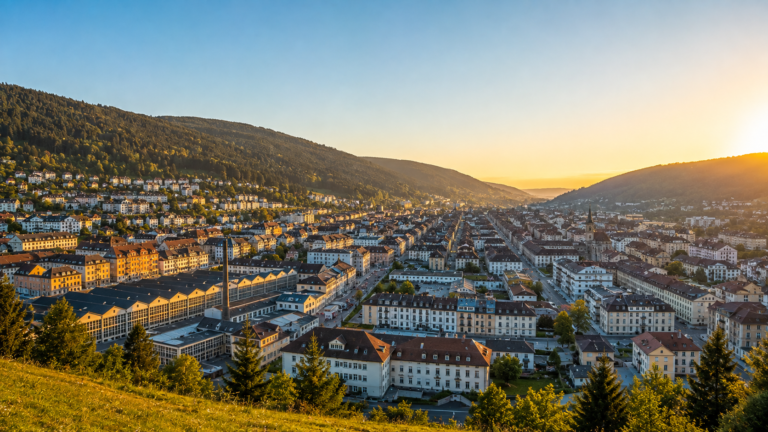
Walking through the historic center reveals traces of every era. Narrow lanes, elegant squares, historic residences, and centuries-old public buildings create an urban landscape that reflects generations of political, economic, and cultural development. Unlike destinations where history is confined to museums, Neuchâtel’s heritage remains woven into daily life.
The Castle and Collegiate Church
Few landmarks define a city as clearly as the Castle and Collegiate Church define Neuchâtel. Together, these neighboring monuments form the city’s most recognizable architectural ensemble. Built from the region’s characteristic yellow limestone, they overlook both the old town and the lake below.
The Collegiate Church dates to the 12th century and remains one of the finest examples of medieval religious architecture in western Switzerland. Inside, visitors can view the monument dedicated to the Counts and Countesses of Neuchâtel, while the adjoining cloister offers a peaceful retreat from the city streets.
The surrounding esplanade provides some of the best views in the city. From this elevated position, rooftops descend toward the lake while distant Alpine peaks appear on clear days. The combination of architecture, history, and scenery makes the site an essential stop for anyone exploring Neuchâtel.
Life Along Lake Neuchâtel
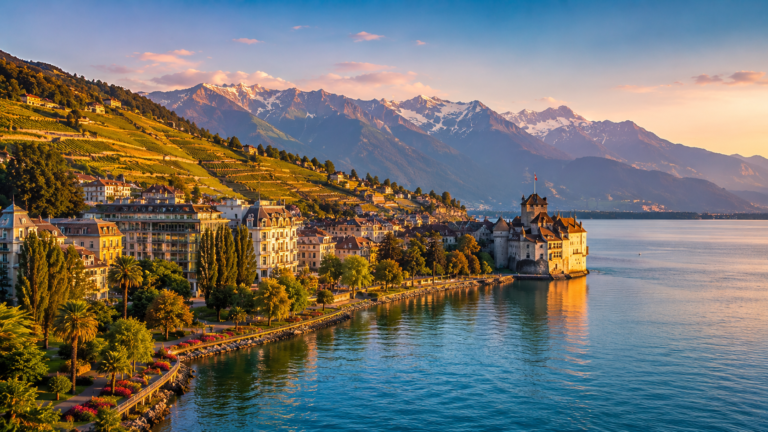
The lake is inseparable from the city’s identity. Stretching across western Switzerland, Lake Neuchâtel creates a scenic backdrop that influences both local culture and visitor experiences. The waterfront is lined with promenades, parks, cafés, and public spaces that encourage leisurely exploration.
One of the most pleasant activities is simply walking along the lakeshore. Areas such as Quai Osterwald and the waterfront parks provide uninterrupted views across the water, while boats and sailing vessels add movement to the landscape. During warmer months, locals and visitors gather along the shore to relax, exercise, or enjoy outdoor dining.
The lake also offers opportunities for cruises, allowing travelers to experience the region from a different perspective while enjoying views of surrounding vineyards, villages, and distant mountain ranges.
Discovering the Old Town
Neuchâtel’s old town is among the most enjoyable urban districts to explore on foot. Large sections are pedestrian-friendly, allowing visitors to move freely between squares, courtyards, boutiques, cafés, and historic landmarks. The atmosphere is distinctly French-speaking, yet unmistakably Swiss in its organization and preservation.
Place Pury serves as one of the city’s central gathering spaces and a natural starting point for exploration. From there, a network of cobbled streets leads through neighborhoods filled with architectural details, decorative façades, and hidden corners waiting to be discovered.
The old town rewards slow travel. Rather than rushing between attractions, visitors often find that wandering through the city’s historic streets provides some of the most memorable experiences.
Museums, Culture, and Creativity
Neuchâtel has developed a reputation as a cultural center that extends beyond its historic monuments. Museums play an important role in the city’s identity, covering subjects that range from archaeology and ethnography to literature and visual arts.
One of the region’s most notable institutions is the Laténium, an archaeological museum and park located nearby in Hauterive. The museum explores the area’s deep human history and has become one of Switzerland’s leading archaeological attractions.
The city is also associated with writer Friedrich Dürrenmatt, whose legacy is preserved through the Centre Dürrenmatt. These institutions contribute to a cultural landscape that complements the city’s architectural heritage and natural setting.
Experiences Beyond the City Center
While the historic core attracts much of the attention, Neuchâtel serves as a gateway to a wider region filled with natural and cultural attractions. The nearby vineyards overlooking the lake form part of a long-established winemaking tradition, while scenic viewpoints offer expansive panoramas across the Three Lakes region.
The hill of Chaumont, accessible by funicular, provides one of the area’s most celebrated viewpoints. From its elevated position, visitors can appreciate the scale of Lake Neuchâtel and the surrounding landscapes.
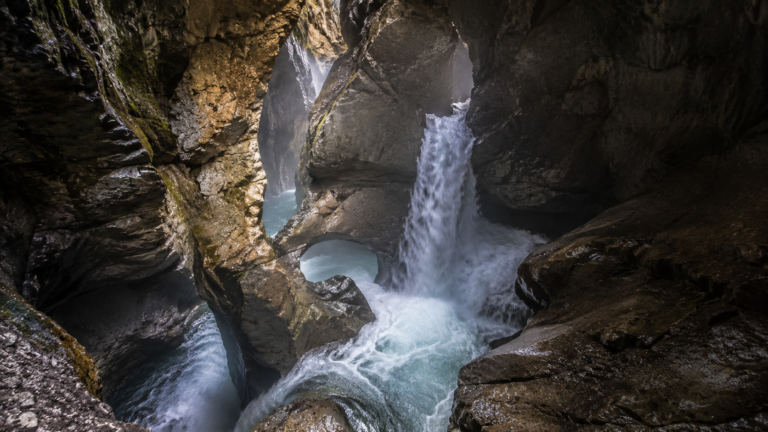
Nature enthusiasts often venture to the nearby Areuse Gorge or Creux du Van, two of western Switzerland’s most impressive natural sites. These destinations complement the urban attractions of Neuchâtel and help explain why the region appeals to such a wide range of travelers.
Best Time to Visit
Neuchâtel can be enjoyed throughout the year, though each season offers a different atmosphere. Spring brings flowering parks and comfortable temperatures for walking. Summer is ideal for lakeside activities, outdoor cafés, cruises, and cultural events. Autumn introduces vineyard colors and crisp conditions for sightseeing. Winter tends to be quieter, highlighting the city’s historic character and architectural beauty.
Transportation and Access
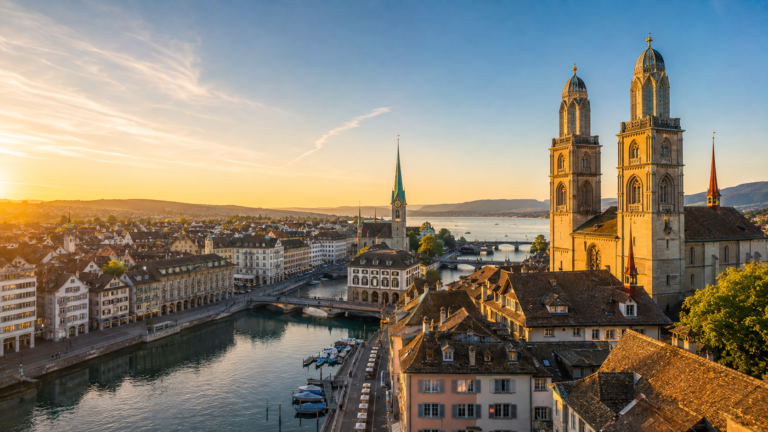
Neuchâtel is well connected to the Swiss transportation network and can be reached easily by train from major cities including Bern, Lausanne, Geneva, and Zurich. The city’s railway station provides convenient access to both regional and national services.
Within the city, many of the main attractions are accessible on foot. Public transportation links the waterfront, residential districts, surrounding hills, and nearby communities, making it straightforward to explore without a car.
More than a lakeside city, Neuchâtel is a place where history, architecture, culture, and landscape come together in a uniquely Swiss setting. Whether visitors are drawn by medieval landmarks, waterfront scenery, cultural institutions, or the relaxed rhythm of daily life, the city offers a rewarding experience that reveals another side of Switzerland beyond the mountains.