Celerina, St. Moritz Region, Switzerland
Celerina: The Sunlit Engadin Village Blending Alpine Heritage and Mountain Adventure
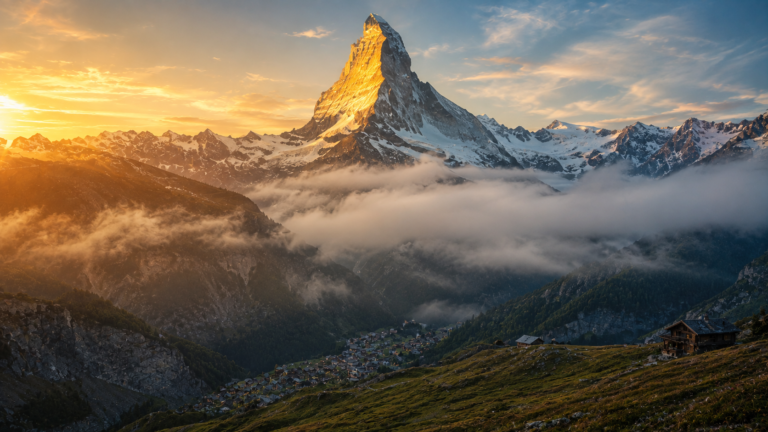
In the heart of the Upper Engadin Valley, surrounded by forests, rivers, and towering Alpine peaks, Celerina offers a quieter perspective on one of Switzerland’s most celebrated mountain regions. Located just minutes from St. Moritz, the village combines traditional Engadin character with easy access to world-class outdoor recreation, making it an attractive destination throughout the year.
While neighboring resorts often attract international attention for luxury tourism and major sporting events, Celerina has cultivated a reputation based on authenticity, natural beauty, and local heritage. Visitors arrive to discover historic streets, sunlit mountain landscapes, and a community that remains deeply connected to the traditions of the Engadin.
Where the Mountains Meet the Valley Floor
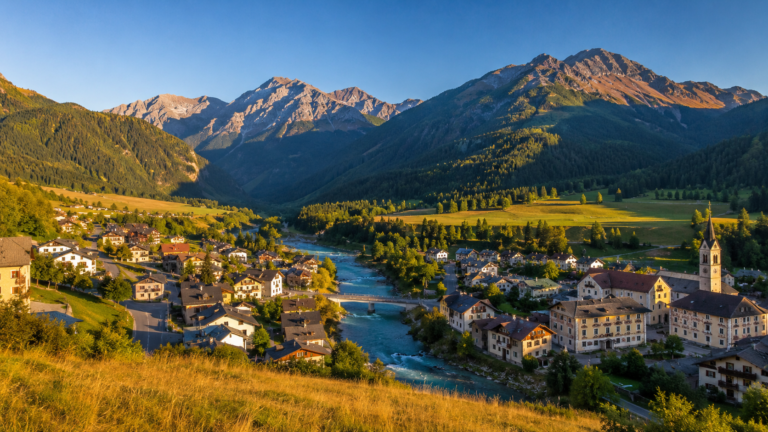
Celerina is situated in the canton of Graubünden, Switzerland’s largest canton, within the renowned Engadin region. The village lies along the Inn River, surrounded by forests and framed by mountain ranges that define the landscape of southeastern Switzerland.
The Upper Engadin is known for its broad valley, clear mountain air, and remarkable light conditions. Celerina benefits from a particularly sunny location, a characteristic often highlighted by residents and visitors alike. The village enjoys open views across the valley while maintaining immediate access to the surrounding mountains.
Its position near St. Moritz allows travelers to experience both destinations with ease. Yet despite this proximity, Celerina maintains a distinct identity rooted in local culture and a slower pace of life.
A Community with Deep Historical Roots
Like many settlements in the Engadin, Celerina traces its origins back many centuries. The village developed within a region where agriculture, Alpine farming, and trade shaped daily life long before tourism emerged.
The influence of Romansh culture remains visible throughout the area. Romansh, one of Switzerland’s national languages, continues to play an important role in local identity. Place names, traditions, and cultural expressions reflect this heritage, offering visitors insight into one of Europe’s oldest living linguistic traditions.
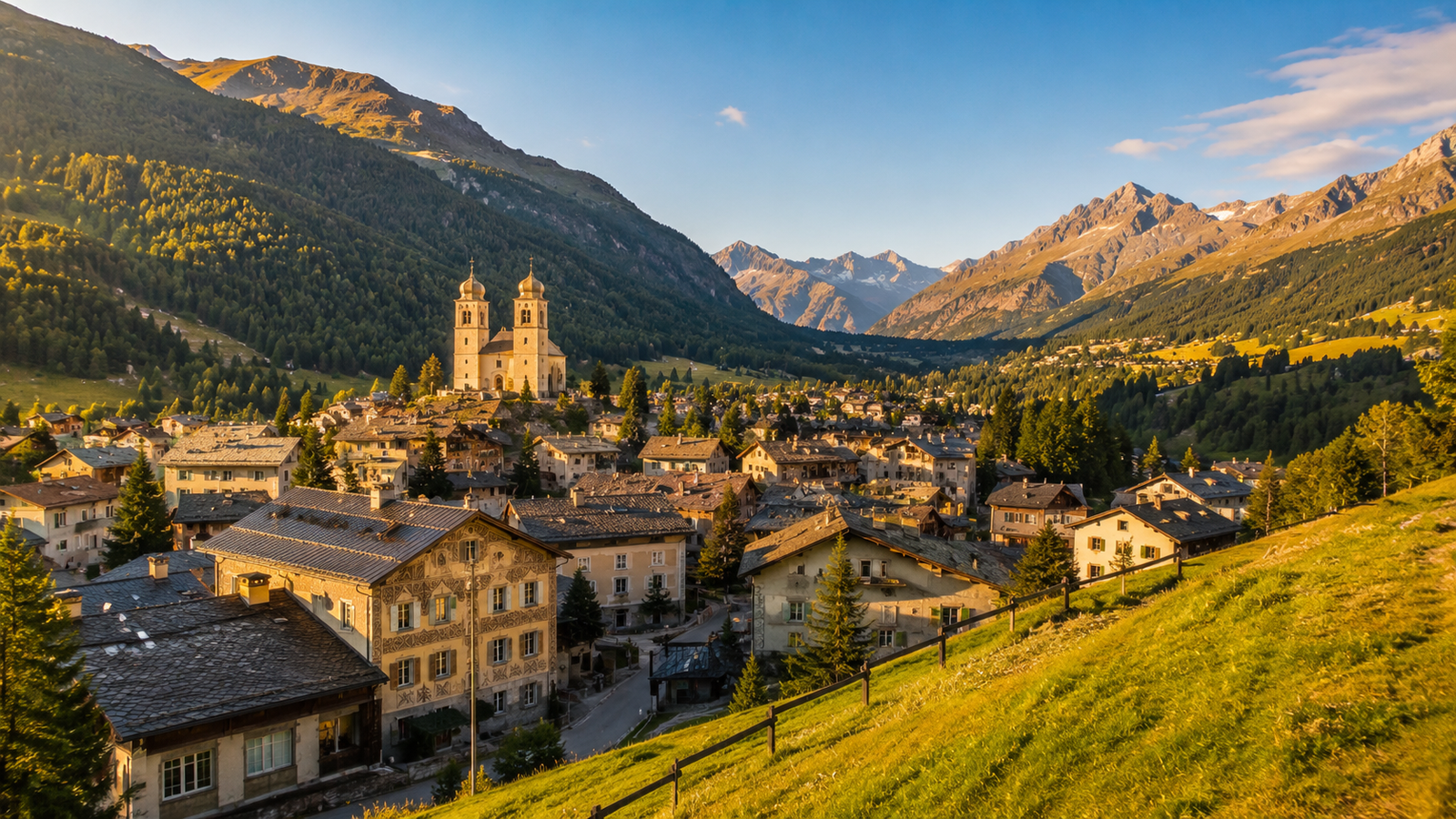
Historic Engadin architecture forms another important part of Celerina’s character. Traditional stone houses featuring distinctive sgraffito decorations can still be found throughout the village. These decorative engravings on building façades have become one of the defining visual elements of the region.
Unlike destinations that have undergone extensive modernization, Celerina has managed to preserve much of its historic atmosphere while adapting to contemporary tourism.
The Landmark That Watches Over the Village
One of Celerina’s most recognizable landmarks is the Church of San Gian.
Standing on a small hill above the village, the church is instantly recognizable by its twin towers. Dating back to the medieval period, it is considered one of the most important historical monuments in the Upper Engadin. The church occupies a prominent position overlooking the valley, creating a striking visual connection between the village and the surrounding mountains.
Visitors often walk to the site not only for its architectural significance but also for the panoramic views it provides across the Engadin landscape.
The church reflects the historical importance of Celerina within the region and serves as a reminder of the village’s long-standing cultural traditions.
Gateway to the Engadin’s Outdoor Playground
Celerina’s appeal extends well beyond its historic streets.
The village serves as a convenient base for exploring the vast network of outdoor activities available throughout the Engadin. Mountain trails, cycling routes, ski slopes, and scenic rail journeys are all within easy reach.
One of the destination’s strongest advantages is direct access to the Corviglia mountain area. This mountain region, shared with neighboring communities, is among the most important recreation areas in the Engadin. During winter, it becomes a major skiing destination, while summer transforms the slopes into a landscape of hiking trails and panoramic viewpoints.
The transition between village life and mountain adventure is remarkably seamless. Within a short time, visitors can move from traditional village streets to high-altitude Alpine scenery.
Winter Experiences in the Engadin
Snow transforms Celerina into an ideal destination for winter sports enthusiasts.
The nearby Corviglia ski area offers extensive terrain overlooking the Engadin Valley. Skiers and snowboarders benefit from modern mountain infrastructure and a variety of slopes suited to different experience levels.
Cross-country skiing is another major attraction. The Engadin is internationally known for its network of groomed trails that traverse valleys, frozen landscapes, and scenic mountain settings. These routes attract both recreational participants and serious athletes.
Winter hiking paths provide an alternative way to experience the snowy landscape. Forest trails and valley routes allow visitors to enjoy the tranquility of the season while taking in views of snow-covered peaks.
For travelers who prefer sightseeing over sports, the winter scenery itself is often reason enough to visit. Bright sunshine, frozen lakes, and crisp mountain air create an unforgettable Alpine atmosphere.
Summer in a Valley of Lakes and Peaks
When the snow melts, the Engadin reveals a different side of its natural beauty.
Summer visitors find themselves surrounded by green meadows, flowering Alpine landscapes, and extensive hiking opportunities. Trails connect villages, mountain viewpoints, forests, and high-altitude terrain, allowing travelers to explore the region at their own pace.
Cycling is particularly popular throughout the valley. Both road cyclists and mountain bikers are drawn to the region’s scenic routes and well-maintained infrastructure.
Nearby lakes add another dimension to the landscape. The famous Engadin lakes, including those around St. Moritz and Silvaplana, create striking contrasts between blue water and mountain scenery. Their presence contributes significantly to the region’s visual appeal and recreational opportunities.
Photographers often find summer especially rewarding because of the combination of clear light, vibrant landscapes, and dramatic mountain backdrops.
A Village Defined by Tradition and Quality of Life
Part of Celerina’s charm lies in its ability to balance tourism with local life.
Visitors encounter a community where traditional architecture remains central to the streetscape and where local customs continue to influence everyday culture. Rather than being dominated by large-scale tourism infrastructure, the village retains a welcoming atmosphere that reflects its residential character.
Regional cuisine, seasonal celebrations, and cultural events provide opportunities to experience the traditions of the Engadin. Local restaurants frequently showcase specialties associated with Graubünden, offering visitors a taste of the region’s culinary heritage.
This strong cultural foundation helps distinguish Celerina from destinations that focus exclusively on recreation.
Reaching Celerina
Transportation is one of the village’s major advantages.
Celerina is connected to Switzerland’s rail network through the Rhaetian Railway, one of the country’s most scenic railway systems. Travelers arriving by train can enjoy spectacular Alpine landscapes during their journey through Graubünden.
The village is also easily accessible by road, making it convenient for visitors exploring the wider Engadin region.
Its proximity to St. Moritz further enhances accessibility, providing connections to additional transportation services, accommodations, and regional attractions.
Why Travelers Continue to Choose Celerina
Many Alpine destinations offer beautiful scenery, but Celerina stands out because of its balance.
It provides direct access to some of Switzerland’s most impressive mountain landscapes while preserving the atmosphere of a traditional Engadin village. Visitors can enjoy outdoor adventure, cultural heritage, and spectacular scenery without sacrificing authenticity.
Whether arriving for skiing, hiking, photography, cycling, or simply a peaceful retreat in the mountains, travelers discover a destination that feels connected to both its history and its natural surroundings. In a region known for extraordinary Alpine experiences, Celerina remains one of the Engadin’s most rewarding places to explore.