Zurich Film Festival Draws Political Criticism Over Israel-Related Programming
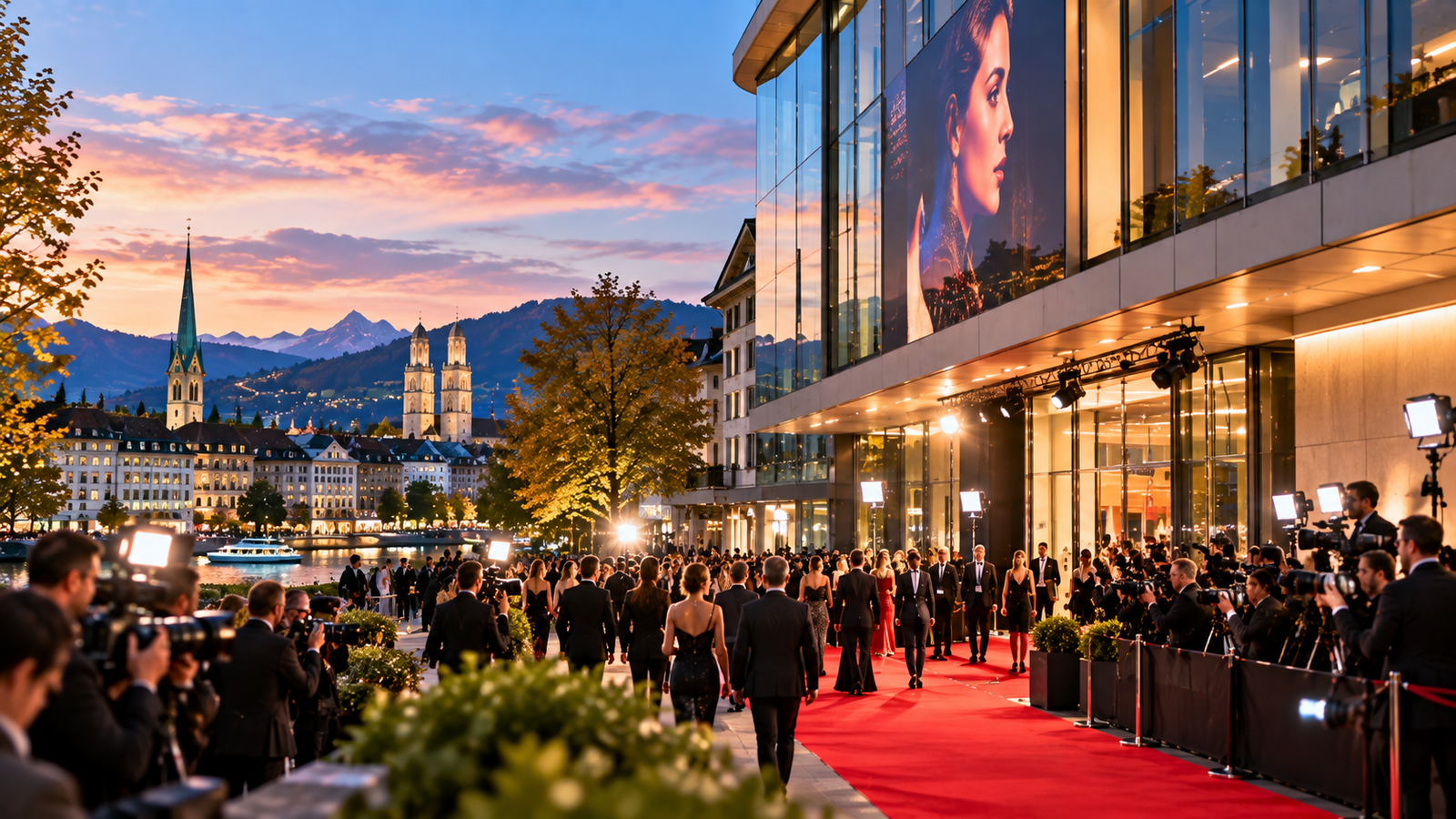
The Zurich Film Festival has become the center of a political debate after Switzerland’s largest conservative party accused the event of presenting an overly critical view of Israel through parts of its 2026 program.
The criticism emerged shortly after the festival unveiled a lineup that includes several films and documentaries addressing the war in Gaza and broader issues connected to the Israeli-Palestinian conflict. The dispute highlights the growing challenges faced by international film festivals as cultural events increasingly become venues for discussions about major geopolitical conflicts.
According to Swiss media reports, representatives of the Swiss People’s Party (SVP) argued that the festival’s selection risked presenting a one-sided perspective on the conflict. The party questioned whether public support and institutional backing for cultural events should extend to programming that some critics view as politically unbalanced.
Festival organizers have defended their editorial independence, maintaining that the role of a film festival is to showcase diverse viewpoints and encourage discussion around contemporary issues. The Zurich Film Festival, founded in 2005, has developed into one of Europe’s most prominent film events and regularly features productions that explore social, political and historical themes.
Culture and Politics Increasingly Intertwined
The controversy reflects a broader international trend in which film festivals have found themselves at the center of debates surrounding the Israel-Gaza conflict.
Over the past two years, major festivals including Venice, Berlin, Toronto and New York have faced pressure from activists, filmmakers, politicians and advocacy groups regarding films connected to the war and its humanitarian consequences. Several recent festivals have seen protests, public statements and disagreements over programming decisions.
The debate has extended beyond individual films to larger questions about artistic freedom, political neutrality and the responsibilities of cultural institutions.
At the 2026 Berlin International Film Festival, discussions over Gaza-related programming led to public disagreements among filmmakers, artists and political figures. Similar controversies have emerged at other international events as organizers attempt to balance freedom of expression with concerns about polarization and public sensitivity.
A Broader Debate in Switzerland
In Switzerland, the discussion surrounding the Zurich Film Festival arrives amid continued public attention on developments in the Middle East and the role of cultural institutions in addressing global conflicts.
Supporters of the festival’s approach argue that cinema has long served as a platform for examining difficult political subjects and that excluding controversial topics would undermine artistic independence.
Critics, however, contend that cultural organizations should ensure balanced representation of complex conflicts, particularly when programming may influence public perceptions.
The disagreement does not appear to center on a single film alone but rather on broader concerns about the overall framing of the festival’s Israel- and Gaza-related content.
Festival management has not indicated any plans to alter its program in response to political criticism.
International Film Industry Under Pressure
The dispute in Zurich mirrors tensions affecting the global film industry.
Recent controversies have demonstrated how filmmakers, festival directors and cultural organizations increasingly face pressure from multiple sides when presenting works connected to armed conflicts and politically sensitive subjects. Some productions have been praised as important contributions to public debate, while others have been criticized for perceived bias or incomplete representation of events.
Industry observers note that festivals traditionally function as forums for artistic expression rather than political institutions. Nevertheless, as conflicts generate worldwide attention, cultural events often become part of broader public discussions that extend beyond cinema itself.
The Zurich Film Festival has historically presented films from a wide range of countries and viewpoints while positioning itself as an international platform for emerging filmmakers and global storytelling.
Looking Ahead
As the festival continues its current edition, the debate is likely to keep attention focused not only on the films being screened but also on the broader relationship between culture and politics.
For organizers, the challenge will be maintaining confidence in the festival’s independence while navigating criticism from political actors. For audiences, the controversy underscores how cultural events increasingly serve as spaces where global issues are debated alongside artistic achievements.
While disagreements over festival programming are not new, the Zurich dispute illustrates how discussions surrounding the Israel-Gaza conflict continue to resonate far beyond diplomatic and political arenas, reaching institutions dedicated to film, culture and public dialogue.