Swiss Vineyards Enter Historic Early Harvest as Heat and Drought Reshape Growing Seasons
Switzerland’s wine industry is entering uncharted territory this summer as grape growers across several vineyard regions begin harvesting fruit significantly earlier than normal, reflecting the growing influence of extreme weather on one of the country’s most traditional agricultural sectors.
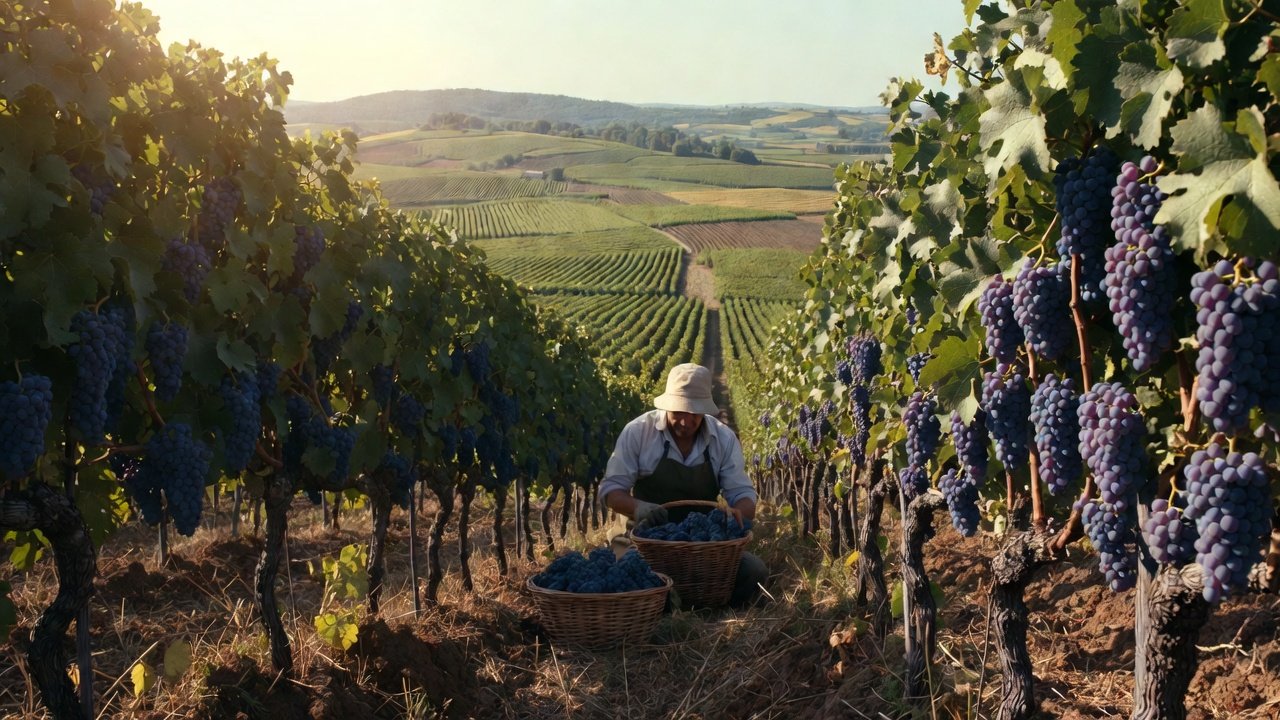
In some areas, vineyard crews have already moved into the fields during the middle of August—an unusually early start that industry observers say would have been difficult to imagine only a generation ago. The accelerated timetable follows months of warm temperatures, limited rainfall, and persistent drought conditions that have hastened grape development throughout the growing season.
Wine producers typically spend much of late summer monitoring sugar levels, acidity, and overall grape maturity before deciding when to begin harvesting. This year, however, many growers have seen ripening advance at an exceptional pace, forcing earlier decisions to preserve quality and maintain balance in the fruit.
The development highlights a broader challenge confronting wine regions across Europe, where climate change is increasingly altering long-established agricultural calendars. While earlier harvests have occasionally occurred in the past, industry experts say the frequency of such events has risen as average temperatures continue to climb.
For Swiss winegrowers, timing is critical. Grapes intended for quality wines require a careful balance between sugar accumulation and acidity retention. Extended heat can accelerate sugar production while reducing acidity, creating the risk of wines with higher alcohol levels and different flavor profiles than producers intend. As a result, growers often choose to harvest earlier when weather conditions push vines toward rapid maturity.
This year’s conditions have been marked by prolonged dry weather and elevated temperatures across parts of Switzerland, prompting concerns not only about harvest timing but also about water stress affecting vines. While drier conditions can sometimes reduce fungal diseases that threaten grape crops, extended drought can limit berry size and reduce yields if vines struggle to access sufficient moisture.
The Swiss harvest comes amid a wider pattern emerging across European wine-producing regions. France’s Champagne region has recorded one of its earliest harvest periods on record, while vineyards in Italy have also reported significantly advanced picking schedules as growers race to protect grape quality during periods of intense summer heat.
In France, producers have reported concerns about declining acidity levels and rising sugar concentrations, both of which can affect the style and character of finished wines. Similar challenges have been documented in Italian sparkling wine regions, where some vineyards have shifted harvesting activities to nighttime or early morning hours to avoid extreme daytime temperatures.
The Swiss wine sector has already been adapting to changing environmental conditions. Vineyard managers have experimented with altered canopy management techniques, revised pruning practices, and other methods designed to protect vines from excessive heat while preserving grape quality. Researchers and industry organizations have also explored the potential suitability of different grape varieties as climatic conditions evolve.
Climate specialists note that warming temperatures are influencing where grapes can be successfully cultivated across Europe. Regions once considered marginal for wine production are becoming increasingly viable, while some traditional growing areas face mounting pressure from heatwaves, drought, and shifting precipitation patterns.
For Switzerland, the implications extend beyond vineyard operations. Wine production plays an important role in rural economies, tourism, and cultural heritage, particularly in well-known wine-producing cantons where viticulture has been practiced for centuries. Changes in harvest timing can affect labor planning, winery logistics, tourism activities, and the scheduling of seasonal events tied to the grape harvest.
Growers are also paying close attention to what the remainder of the season may bring. Although early ripening has already advanced harvest schedules, weather conditions during the final weeks before picking remain crucial. Sudden storms, hail, excessive rainfall, or additional heatwaves can still influence crop quality and overall yields. Vineyard managers therefore continue to monitor forecasts closely as harvesting expands across the country.
Historical records illustrate how dramatically conditions have changed. While grape harvest dates have always fluctuated from year to year, recent decades have shown a noticeable trend toward earlier harvests in many European regions. Scientists and agricultural researchers frequently view harvest timing as an indicator of climate-related shifts because vine development is highly sensitive to temperature patterns throughout the growing season.
The trend is prompting wine industries across the continent to reassess long-term strategies. Some producers are evaluating new vineyard locations at higher elevations, while others are testing grape varieties better suited to warmer conditions. Investment in water management systems, soil conservation techniques, and climate-resilient agricultural practices is also becoming increasingly important.
Despite the challenges, many Swiss winegrowers remain focused on maintaining quality. Early harvesting does not automatically translate into poor vintages; in some cases, favorable weather can produce excellent fruit. The key question for producers is whether they can continue adapting quickly enough as climatic conditions become less predictable and traditional seasonal benchmarks continue to shift.
As harvest activity expands in vineyards across Switzerland, the 2026 season is likely to be remembered not only for its unusually early start but also as another sign of how climate pressures are reshaping European agriculture. What was once considered exceptional is increasingly becoming part of the new reality facing wine producers, forcing an industry rooted in tradition to adapt to a rapidly changing environment.